
April 14, 2026
Invisalign
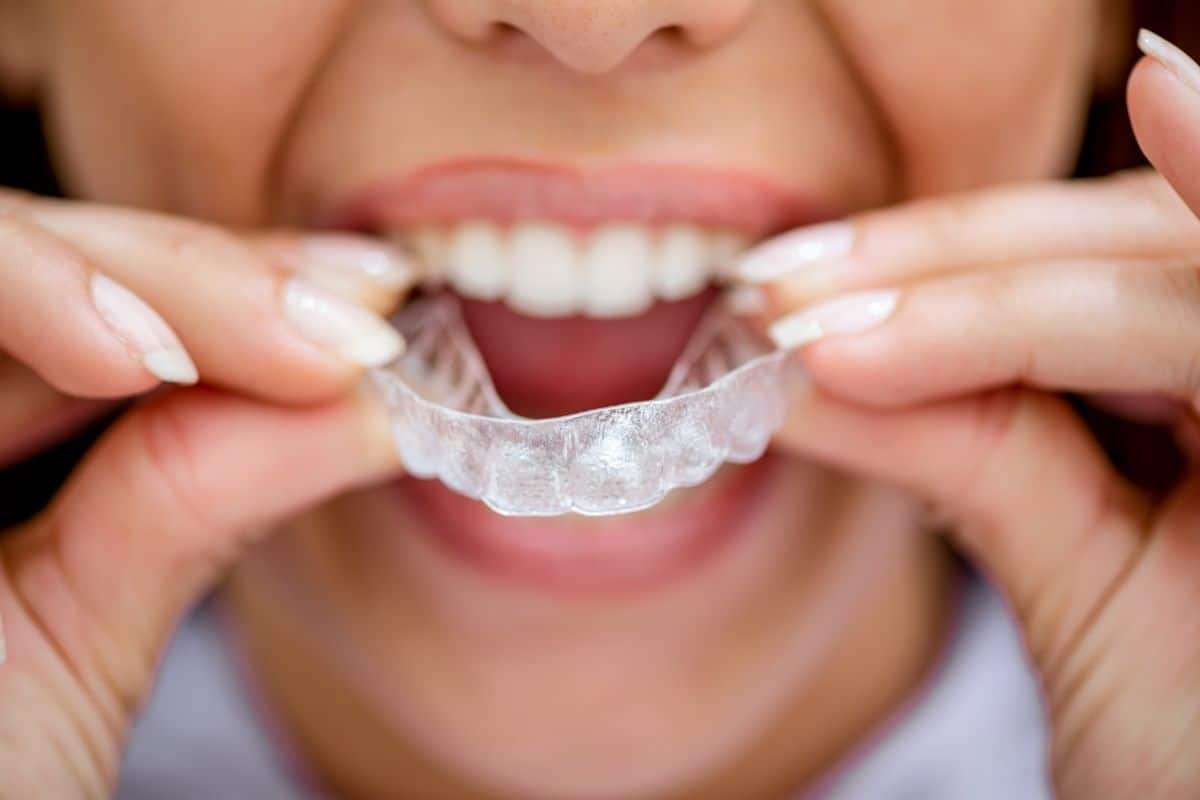
Straightening your teeth should not come at the cost of your oral health. Cavities can still develop during orthodontic treatment, and they can feel especially frustrating when you are already investing in your smile. The good news is that a cavity does not mean you have to stop your progress. With the right steps and timely care, you can protect your teeth and stay on track with your treatment plan.
By the time many patients start wearing Invisalign aligners, they already have good oral hygiene habits. Still, even the most careful routines can miss early decay, especially when aligners are worn for most of the day. Knowing what to do next helps you avoid complications and keep your smile moving forward.
How Cavities Can Affect Your Treatment
A cavity during treatment may seem like a setback, but it is manageable. Dentists often detect decay early during routine checkups, which allows for simple treatment without interrupting progress.
If decay goes untreated, it can worsen and lead to discomfort or even impact how your aligners fit. That is why quick action matters. Most minor cavities can be treated with a filling, and your aligners can usually be adjusted or replaced to continue treatment smoothly.
What To Do Right Away
Schedule a Dental Visit
The first step is to see your dentist as soon as you notice sensitivity, pain, or dark spots on a tooth. Early care keeps the issue small and prevents delays.
Follow Through With Treatment
Your dentist will treat the cavity, often with a simple filling. In most cases, you can continue wearing your aligners shortly after the procedure, depending on your provider’s advice.
Keep Your Orthodontist Informed
Let your orthodontic team know about the treatment. They may check the fit of your aligners or provide a replacement set if needed to keep your progress on track.
Smart Habits To Prevent More Cavities
Brush after every meal
Food particles trapped under aligners can increase the risk of decay. Brushing before putting them back in helps keep your teeth clean.
Floss daily without skipping
Flossing removes buildup between teeth where cavities often start.
Rinse your aligners regularly
Clean aligners prevent bacteria from sitting against your teeth for long periods.
Limit sugary drinks and snacks
Frequent sugar exposure feeds the cavity-causing bacteria and increases the risk.
Stick to your checkup schedule
Routine visits help catch issues early before they turn into bigger concerns.
Can You Continue Treatment Without Delay?
In most cases, yes. A small cavity rarely disrupts your timeline. Once your tooth is treated, your aligners should still fit properly or can be adjusted easily. The key is early detection. Waiting too long can lead to more extensive treatment, which might temporarily pause your progress.
Patients in Prairie Village often find that staying consistent with dental visits makes a big difference. Preventive care keeps everything on track and reduces the chance of unexpected issues.
Keep Your Smile Moving Forward
Taking care of a cavity during treatment is simpler than most people expect. Acting early, maintaining strong hygiene habits, and staying connected with your dental team make all the difference. If you notice any changes in your teeth or have concerns during your treatment, do not wait.
At Toombs Orthodontics, we are here to support your smile at every step. Visit our dental office in Prairie Village for personalized care and guidance that keeps your treatment on track.
FAQs:
Can I keep wearing my aligners if I have a cavity?
Yes, in most cases, you can continue wearing them until your dental visit, unless your dentist advises otherwise.
Will fixing a cavity affect how my aligners fit?
A small filling usually does not change the fit significantly, but your orthodontist can adjust things if needed.
Does Invisalign increase the risk of cavities?
Not directly, but poor cleaning habits while wearing aligners can increase risk.
How can I tell if I have a cavity?
Look for sensitivity, pain, or visible spots on your teeth, and schedule a checkup right away.
Recent Post

October 13, 2026
Your Braces Just Came Off: What Happens Next
October 6, 2026
Can Orthodontic Treatment Fix an Underbite Without Jaw Surgery?

September 27, 2026
Braces Cutting Your Cheeks? Here Is How to Get Relief
September 20, 2026
What to Eat During Orthodontic Treatment: Soft Foods, Safe Choices, and Recovery Tips

September 13, 2026
Can You Chew Ice With Invisalign?
Categories
Invisalign (56)