

October 31, 2025
Dental Braces
Getting braces is a major step toward a healthier, more aligned smile—but it often comes with questions. One of the most common concerns patients share is whether braces can cause headaches. The truth is that headaches can happen during orthodontic treatment, but they’re usually temporary, manageable, and part of the normal adjustment process.
If you’re beginning your treatment, understanding why headaches happen, how long they last, and how to ease them can help you feel more confident and prepared. Toombs Orthodontics is committed to giving patients clarity and comfort throughout every phase of their orthodontic journey.
Below, we break down everything you should know—using simple explanations, helpful tips, and expert-backed guidance.
Why Braces Can Lead to Headaches
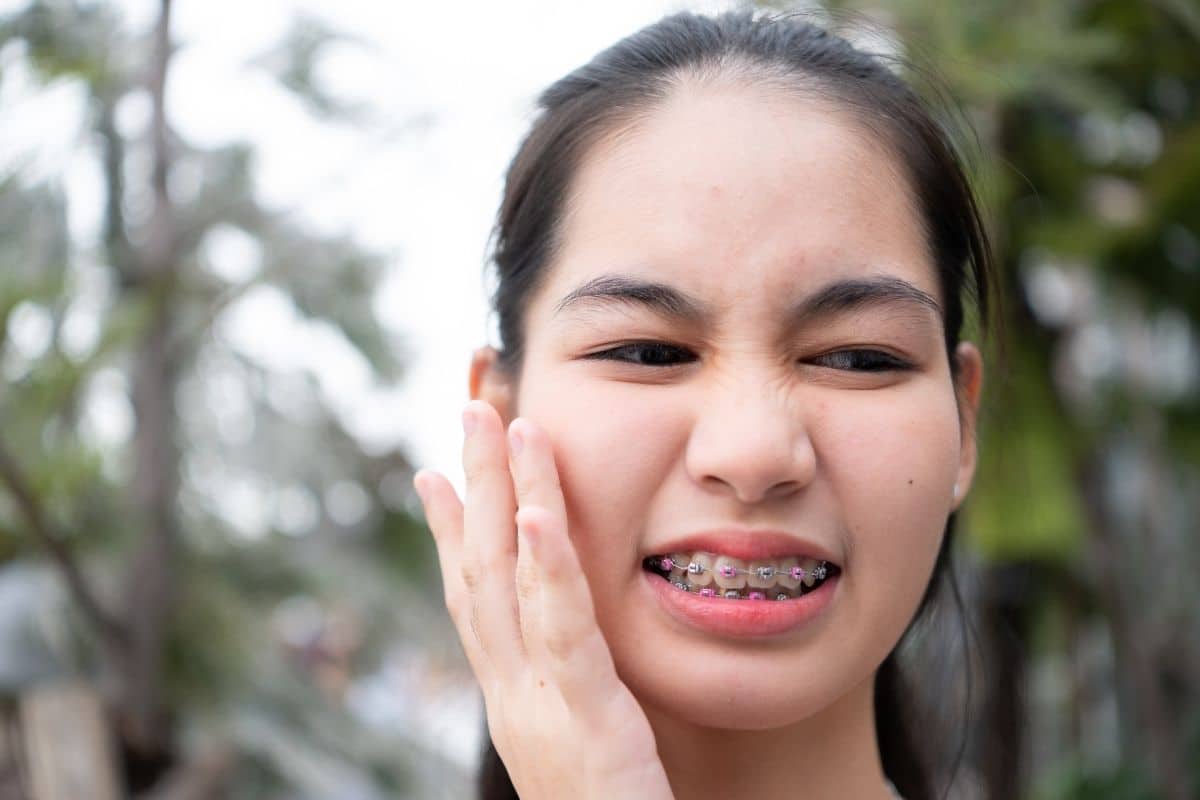
Braces don’t directly cause headaches, but the pressure they create can lead to discomfort that sometimes radiates upward into the jaw, temples, or forehead.
Here’s what typically triggers this:
- Tooth Movement: Braces gently shift your teeth into new positions. This pressure can temporarily irritate the surrounding tissues, leading to mild head pressure or soreness.
- Tightening Appointments: After an adjustment, your braces are slightly tightened to encourage progress. This can create temporary tension that may cause headaches for a day or two.
- Jaw and Bite Changes: As your bite improves, your jaw muscles may need time to adapt, sometimes resulting in tension headaches.
- New Bite Forces: When teeth move, the way you chew changes. Overactive jaw muscles can trigger tension in the head and neck.
Thankfully, these headaches are usually short-lived and fade as your mouth adjusts.
What These Headaches Feel Like
Most patients describe braces-related headaches in predictable ways:
- A dull, aching pressure around the temples
- Tension near the jaw joints
- Radiating discomfort behind the eyes
- Tenderness along the sides of the face
These sensations should feel mild to moderate—not severe. If you experience intense pain, a quick check-in with an orthodontist is always recommended.
Who Is More Likely to Experience Headaches With Braces?
Not everyone gets headaches during orthodontic treatment. You’re more likely to notice them if:
- You already experience migraines or tension headaches
- You grind or clench your teeth
- You’re stressed, which naturally tightens jaw muscles
- You have a sensitive bite or TMJ-related discomfort
Knowing your risk factors helps your orthodontist tailor your treatment to keep you as comfortable as possible.
Simple Ways to Reduce Braces-Related Headaches
If headaches appear during your first few days of braces or after adjustments, several easy remedies usually help:
- Over-the-Counter Pain Relievers
Medications like ibuprofen and acetaminophen can provide relief—but always follow dosage guidelines.
- Soft Foods for a Few Days
Choose foods like yogurt, smoothies, mashed potatoes, and pasta while your teeth adjust. This reduces chewing strain and jaw tension.
- Cold Compress
Applying a cold pack to your jaw or temples can minimize soreness and inflammation.
- Warm Washcloth
If muscle tension is the cause, heat can help relax tight jaw muscles.
- Hydration
Dehydration is a surprisingly common headache trigger. Keep water nearby throughout the day.
- Massage the Jaw Muscles
Gentle circular motions near the jaw joint and temples can relieve tension.
- Use Orthodontic Wax
If brackets irritate your cheeks or gums, the extra discomfort can contribute to headaches. Wax helps cushion sensitive spots.
These small changes make a big difference in your comfort during treatment.
When Headaches During Braces Are NOT Normal
Most headaches during orthodontic treatment are harmless. But you should contact your orthodontist if you notice:
- Severe or throbbing headaches
- Pain lasting longer than 3–4 days after an adjustment
- Headaches accompanied by dizziness or vision changes
- Sudden jaw locking or popping
- Pain that interferes with daily activities
These can signal issues such as bruxism, TMJ inflammation, or overly tight archwire adjustments that may require correction.
What If You Already Have Migraines?
Many people with migraines worry that braces will worsen them. Here’s the reassuring truth:
- Braces do not cause chronic migraines.
- Any headache triggered by braces is generally short-term.
- Migraines do not typically become more frequent due to orthodontic treatment.
In some cases, correcting bite misalignment actually reduces long-term facial tension, which may improve migraine symptoms over time.
How Braces Can Actually Help Reduce Jaw Pain Long-Term
While there may be short periods of discomfort, orthodontic treatment often improves overall facial comfort in the long run.
Straightening your teeth can:
- Reduce uneven bite forces
- Improve jaw alignment
- Decrease muscle tension in the head, neck, and jaw
- Prevent clenching and grinding
- Reduce chronic TMJ discomfort
So while mild headaches may happen in the beginning, the final outcome often leads to less strain—and a more comfortable bite.
FAQs
Can braces cause migraines?
Braces may trigger short-term discomfort that resembles a mild migraine in sensitive individuals, but they do not cause true migraine disorders.
How long do headaches from braces last?
Most headaches last 24–48 hours after braces are placed or tightened.
Is jaw pain normal with braces?
Yes. As your teeth shift, the jaw adapts, which may cause temporary soreness.
Can dehydration make orthodontic headaches worse?
Absolutely. Drinking water helps reduce tension and inflammation.
Will pain increase as teeth move more?
Not necessarily. Your mouth gradually adapts, and many patients feel less discomfort after the first few adjustments.
Can I prevent headaches when getting braces tightened?
Eating soft foods, staying hydrated, and taking an OTC pain reliever beforehand can help.
Do braces worsen TMJ disorders?
Most of the time, no. In fact, correcting bite alignment often improves TMJ symptoms long-term.
A More Comfortable Path to a Better Smile
Headaches from braces can be inconvenient, but they are usually mild, temporary, and manageable. With the right guidance from our orthodontist in Lenexa, your orthodontic journey can stay comfortable and stress-free. At Toombs Orthodontics, patient comfort is a priority every step of the way.
If you’re considering braces or currently experiencing discomfort, reaching out for proper advice and reassurance is always a smart move.
A straighter, healthier smile is absolutely worth the journey—and you don’t have to navigate it alone!
Recent Post

October 13, 2026
Your Braces Just Came Off: What Happens Next
October 6, 2026
Can Orthodontic Treatment Fix an Underbite Without Jaw Surgery?
September 27, 2026
Braces Cutting Your Cheeks? Here Is How to Get Relief
September 20, 2026
What to Eat During Orthodontic Treatment: Soft Foods, Safe Choices, and Recovery Tips

September 13, 2026
Can You Chew Ice With Invisalign?
Categories
Dental Braces (18)