
December 27, 2024
Orthodontist
Dentofacial functional abnormalities refer to conditions that affect the proper alignment and function of your teeth, jaws, and surrounding structures. These abnormalities can impact chewing, swallowing, speech, facial appearance, and overall health. Common examples include overbites, underbites, crossbites, and crowded teeth.
What is a Dentofacial Functional Abnormality?
Our faces are complex structures. The proper alignment of your teeth, jaws, and surrounding soft tissues is crucial for:
- Proper chewing and swallowing: Misaligned teeth and jaws can interfere with efficient food breakdown, leading to digestive problems.
- Clear speech: Certain bite problems can affect the way you pronounce sounds.
- Facial aesthetics: Improper jaw growth and tooth alignment can impact your facial appearance.
- Overall health: In some cases, untreated dentofacial abnormalities can contribute to temporomandibular joint disorder (TMJ) and sleep apnea.
Common Types of Dentofacial Functional Abnormalities
- Malocclusion is the most common type and refers to deviation from the ideal bite.
- Class I Malocclusion: The upper and lower teeth overlap slightly, but the jaws align correctly.
- Class II Malocclusion: The upper jaw is protruded, causing an overbite.
- Class III Malocclusion: The lower jaw is protruded, causing an underbite.
- Crossbite: This occurs when the upper teeth bite inside the lower teeth.
- Open Bite: When biting down, there is a gap between the upper and lower front teeth.
- Crowding: Too many teeth for the available jaw space leads to crooked or overlapping teeth.
- Spacing: Gaps between teeth due to missing teeth or extra space in the jaw.
Causes of Dentofacial Functional Abnormalities
- Genetics: Inherited traits significantly affect jaw development and tooth size.
- Habits: Thumb sucking, pacifier use, and mouth breathing can all contribute to bite problems.
- Trauma: Injuries to the jaw or teeth can affect growth and alignment.
- Early loss of baby teeth: This can disrupt the regular eruption pattern of adult teeth.
The Importance of Early Detection and Treatment
Early detection and treatment of dentofacial functional abnormalities offer several benefits:
- Improved oral health: Correcting bite problems can prevent tooth decay, gum disease, and jaw joint problems.
- Enhanced speech development: Addressing speech impediments related to bite issues can improve communication skills.
- Improved self-esteem: A healthy and attractive smile can boost confidence and self-esteem.
- Reduced risk of future dental problems: Early intervention can minimize the need for more complex and costly treatments later in life.
Treatment Options for Dentofacial Functional Abnormalities
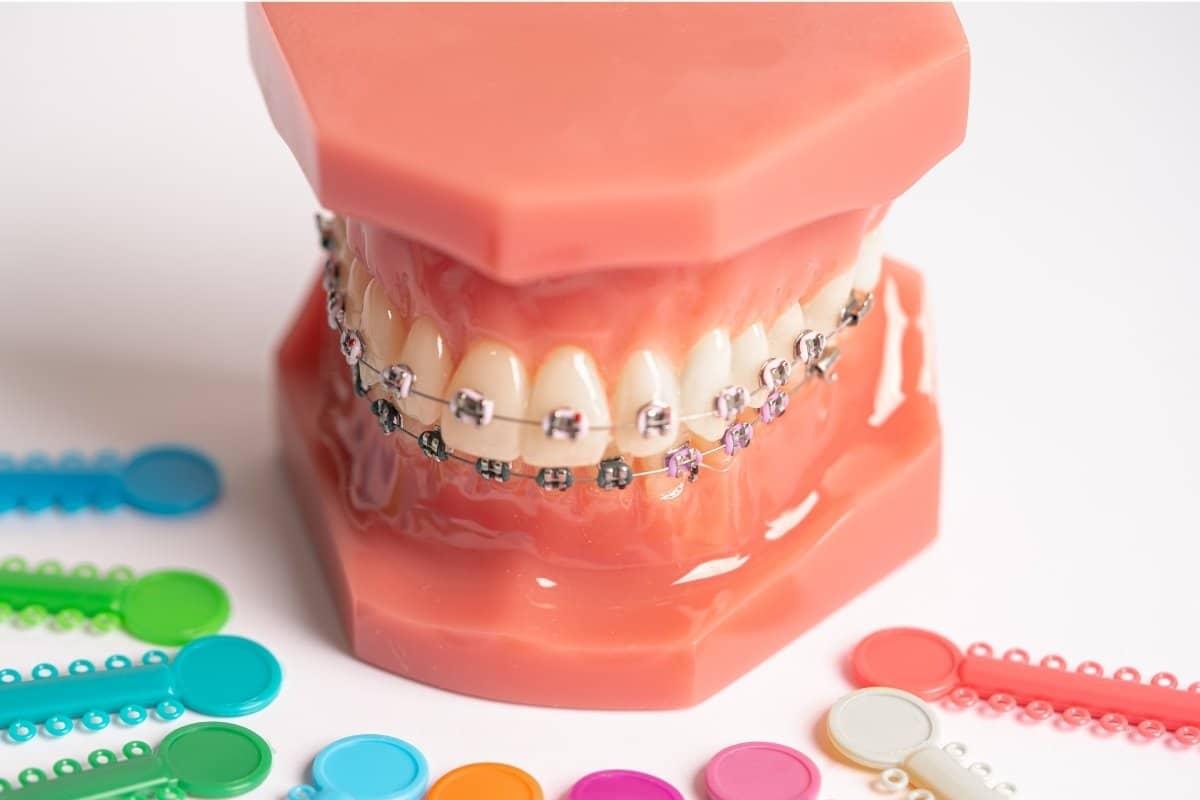
- Traditional braces: Metal or ceramic brackets and wires gradually move teeth into proper alignment.
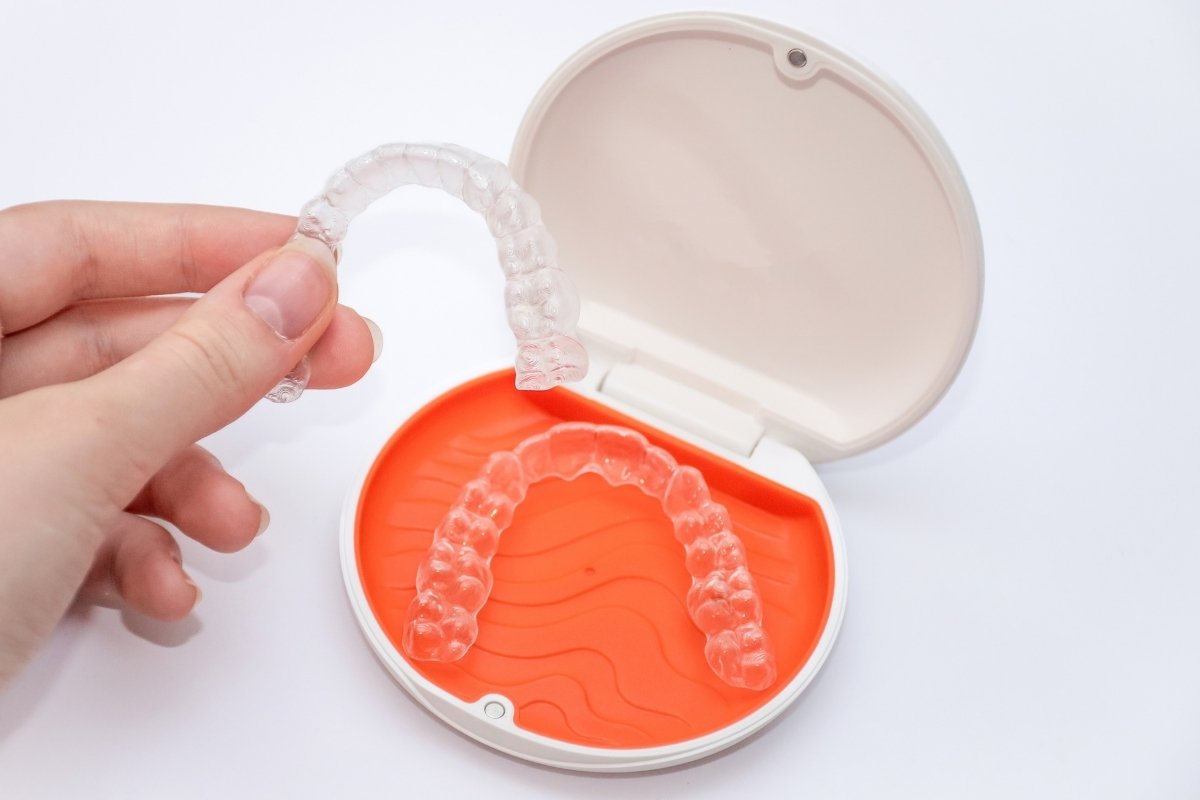
- Invisalign: Clear, removable aligners gently shift teeth into the desired position.
- Early interceptive orthodontics: Addressing minor bite problems in young children to prevent more serious issues later.
- Jaw surgery (in some cases): For more complex cases, jaw surgery may be necessary to correct severe misalignments.
Schedule Your Consultation Today
At Toombs Orthodontics, we understand that every patient is unique. We’ll carefully assess your needs and create a customized treatment plan to achieve your desired results, ensuring you feel valued and understood throughout your orthodontic journey.
If you are concerned about your child’s bite or have questions about dentofacial functional abnormalities, take the first step and contact Toombs Orthodontics to schedule a consultation.
Recent Post

October 13, 2026
Your Braces Just Came Off: What Happens Next
October 6, 2026
Can Orthodontic Treatment Fix an Underbite Without Jaw Surgery?

September 27, 2026
Braces Cutting Your Cheeks? Here Is How to Get Relief
September 20, 2026
What to Eat During Orthodontic Treatment: Soft Foods, Safe Choices, and Recovery Tips

September 13, 2026
Can You Chew Ice With Invisalign?
Categories
Orthodontist (74)