
December 20, 2024
Orthodontist
Both orthodontists and dentists play crucial roles in maintaining oral health, but their areas of expertise differ significantly. Dentists provide comprehensive dental care, but orthodontists specialize in diagnosing, preventing, and treating dental and facial irregularities.
What Dentists Do:
- Comprehensive Oral Care: Dentists are the primary care providers for teeth and gums. They perform a wide range of services, including:
- Regular Checkups and Cleanings: Detecting and preventing cavities, gum disease, and other oral health issues.
- Fillings and Crowns: Restoring teeth damaged by decay or injury.
- Extractions: Removing teeth that are impacted, severely decayed, or causing other oral health problems.
- Root Canals: Treating infected tooth nerves.
- Cosmetic Dentistry: Improving the appearance of teeth through procedures like teeth whitening and veneers.
What Orthodontists Do:
Orthodontists focus on the alignment and positioning of teeth and jaws. They utilize specialized techniques and appliances to correct bite problems and improve facial aesthetics.
Key areas of focus include:
- Malocclusion: This refers to any deviation from the normal positioning of the teeth and jaws.
- Diagnosis and Treatment of Malocclusion:
- Common types include:
- Overbite: Upper teeth significantly overlap lower teeth.
- Underbite: Lower teeth protrude beyond upper teeth.
- Crossbite: Upper teeth fit inside lower teeth.
- Open Bite: Front teeth don’t meet when biting down.
- Crowding: Lack of space in the jaw, leading to overlapping or crooked teeth.
- Spacing: Gaps between teeth.
- Common types include:
- Treatment Options: Orthodontists employ a variety of techniques to address these issues, including:
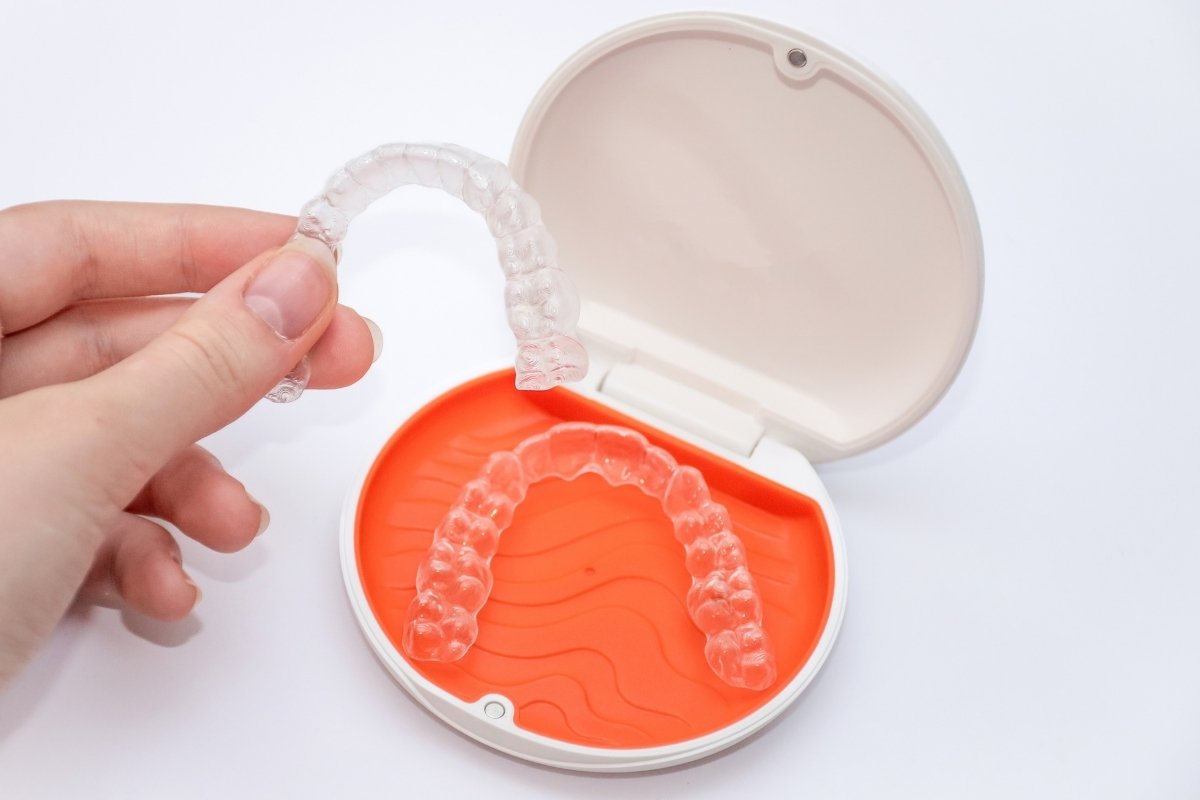
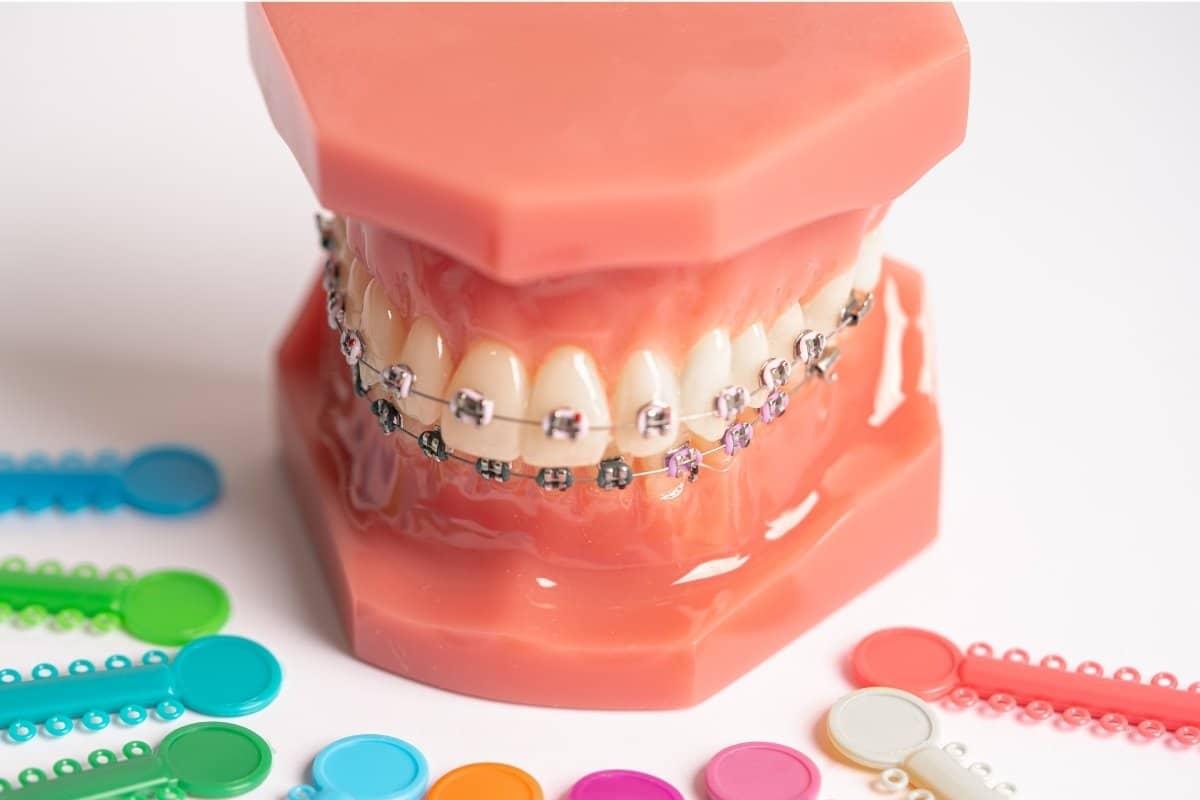
- Braces: Traditional metal braces, ceramic braces, and clear aligners (like Invisalign) gradually shift teeth into proper positions.
- Retainers: Worn after braces are removed to maintain the achieved results.
- Early Interceptive Treatment: Addressing minor orthodontic issues in young children to prevent more serious problems later.
- Jaw Surgery: In some cases, jaw surgery may be necessary to correct severe bite problems or facial deformities.
What Can an Orthodontist Do that a Dentist Can’t?
- Focus: Dentists provide general dental care, while orthodontists specialize in correcting bite problems and improving facial aesthetics.
- Education and Training: Orthodontists undergo extensive specialized training beyond dental school, including a residency program in orthodontics.
- Treatment Options: Orthodontists have unique tools and techniques, such as braces and clear aligners, that dentists do not typically use.
When to See an Orthodontist:
- Early Intervention: Taking a proactive approach, scheduling a consultation with an orthodontist around age 7 is recommended. Early evaluation can help identify potential problems and determine the best course of treatment, giving you a head start in maintaining your oral health.
- Signs You May Need Orthodontic Treatment: Crooked or crowded teeth
- Difficulty chewing or biting
- Speech impediments
- Jaw pain or discomfort
- Frequent biting of the inside of the cheek or lips
- Difficulty keeping teeth clean
- Significant overbite, underbite, or crossbite
Conclusion:
If you have concerns about your teeth or bite, we encourage you to schedule a consultation with our experienced orthodontists. We’ll carefully assess your needs and create a customized treatment plan to help you achieve a beautiful, healthy smile.
Remember: A healthy smile is a beautiful smile!
At Toombs Orthodontics, our experienced team of orthodontists is dedicated to providing personalized and comprehensive care for patients of all ages. We utilize the latest advancements in orthodontic technology, including:
- Invisalign: Nearly invisible aligners that offer a discreet and comfortable alternative to traditional braces.
- Damon Braces: Self-ligating braces that require fewer adjustments and may result in shorter treatment times.
- iTero Digital Scanner: This scanner creates a 3D image of your teeth, allowing us to plan your treatment more accurately.
Please schedule an appointment with us for an orthodontic assessment.
Recent Post

October 13, 2026
Your Braces Just Came Off: What Happens Next
October 6, 2026
Can Orthodontic Treatment Fix an Underbite Without Jaw Surgery?

September 27, 2026
Braces Cutting Your Cheeks? Here Is How to Get Relief
September 20, 2026
What to Eat During Orthodontic Treatment: Soft Foods, Safe Choices, and Recovery Tips

September 13, 2026
Can You Chew Ice With Invisalign?
Categories
Orthodontist (74)