
October 24, 2025
Invisalign
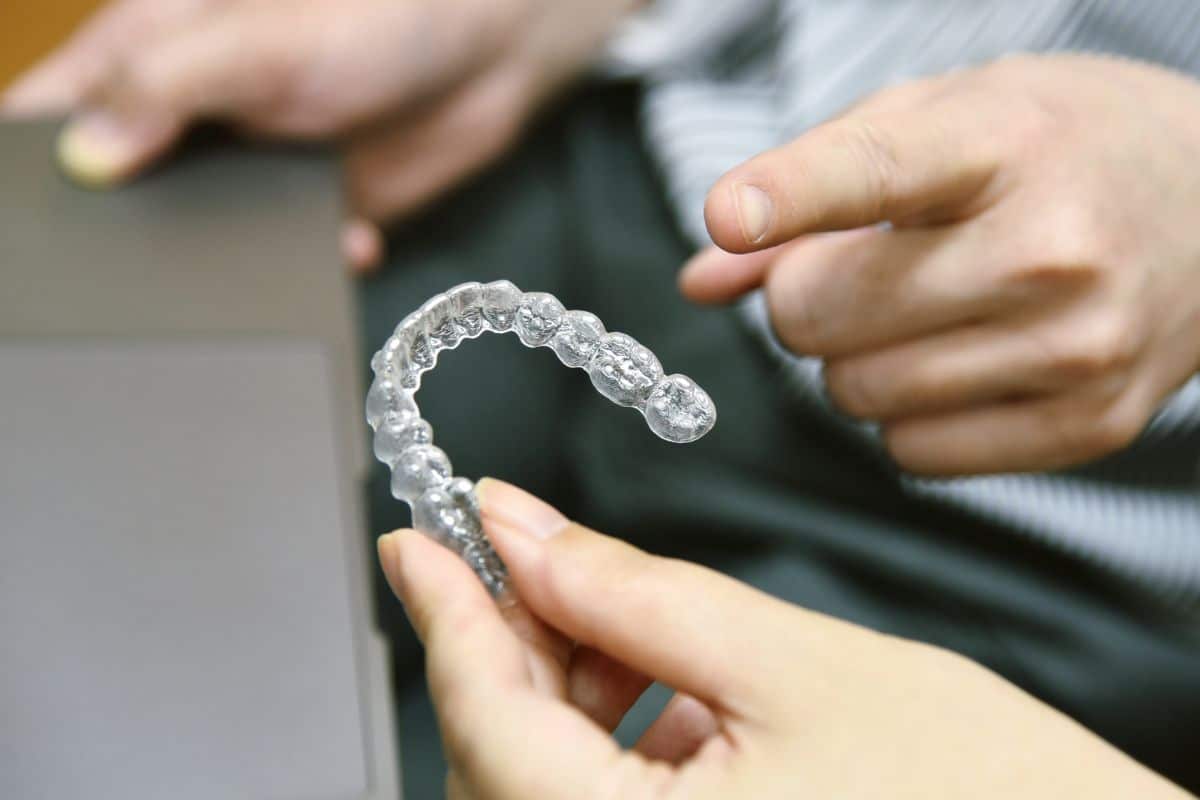
If you’re starting your clear aligner journey, you probably expect straighter teeth, a better bite, and a confident smile. What many people don’t expect is dry mouth from Invisalign. It’s one of the most common side effects people report, especially during the first few weeks. While it’s usually temporary, dry mouth can be uncomfortable and distracting if you don’t know how to manage it.
Patients at Toombs Orthodontics often ask why it happens and what they can do about it — and the good news is that there are simple solutions. This guide breaks down the causes, symptoms, and ways to stay hydrated and comfortable throughout your aligner treatment.
What Actually Causes Dry Mouth During Invisalign Treatment?
Dry mouth, or xerostomia, happens when there’s not enough saliva to keep your mouth moist. Invisalign doesn’t directly “stop” saliva production, but it creates an environment where saliva has a harder time doing its job.
Common causes include:
- Reduced air circulation: Aligners cover the teeth completely, reducing natural airflow across surfaces that usually stay moist.
- Mouth breathing: Many users switch to subtle mouth breathing during early treatment.
- Less natural saliva flow: Your mouth senses the aligners as “foreign objects,” temporarily causing reduced saliva activity.
- Dehydration: If you aren’t drinking enough water, aligners can magnify the dryness.
- Stress or nighttime grinding: Both can contribute to dryness and make the aligners feel tighter.
While dry mouth can be annoying, it usually gets better as your mouth adjusts. Most patients report improvement within the first couple of weeks.
How Dry Mouth Affects Your Invisalign Experience
Dry mouth is more than just an uncomfortable feeling — it can affect your oral health if ignored.
Here’s what you may notice:
- Sticky or pasty feeling in the mouth
- Bad breath
- Sore or dry throat
- Difficulty swallowing
- Increased plaque buildup
- Irritation along the gums or tongue
Saliva plays a major role in keeping your teeth clean and protected. With less moisture, harmful bacteria can grow faster, increasing the risk of cavities and gum irritation. That’s why managing dry mouth is essential while using Invisalign.
Easy Ways to Prevent or Reduce Dry Mouth While Wearing Invisalign
Staying comfortable during treatment is absolutely possible. These proven strategies are simple and effective for most Invisalign users.
• Hydrate Consistently Throughout the Day
Water is your best tool. Drink a little at a time, but often.
Keep a reusable bottle with you — especially if you wear your aligners for the recommended 20–22 hours daily.
• Use Saliva-Boosting Options
Try:
- Sugar-free gum (remove aligners first)
- Xylitol mints
- Saliva-enhancing mouth sprays
- Moisturizing mouth gels
These products help stimulate more saliva and provide quick relief.
• Avoid Drinks That Make Dryness Worse
Limit:
- Coffee
- Alcohol
- Soda
- Energy drinks
- Sugary juices
These can dehydrate your mouth or irritate already-dry tissues.
• Improve Breathing Habits
If you find yourself mouth breathing, especially at night, try:
- Elevating your pillow
- Clearing nasal congestion
- Using a humidifier in your bedroom
Better airflow equals better moisture.
• Clean Your Aligners Properly
Dirty aligners can trap bacteria, which contributes to odor and dryness.
Follow this routine:
- Rinse aligners every time you take them out
- Brush gently with a soft toothbrush
- Use Invisalign cleaning crystals or clear antibacterial soap
- Avoid toothpaste — it can scratch the plastic
Signs Your Dry Mouth Needs Professional Attention
While mild dryness is normal, there are times you shouldn’t ignore it.
Contact an orthodontic or dental professional if you notice:
- Cracks in the corners of the mouth
- Persistent bad breath
- Mouth sores
- Difficulty chewing or swallowing
- Thick, sticky saliva
- Sudden changes in taste
These can signal dehydration or other oral conditions that need attention.
If you’re an Invisalign patient and dryness becomes severe or lasts longer than expected, our Lenexa orthodontist can recommend stronger relief products or check for underlying issues.
How Invisalign Patients Can Stay Consistent with Treatment Without Discomfort
Comfort plays a huge role in successful Invisalign treatment. If aligners feel uncomfortable due to dryness, you may feel tempted to remove them more often — which slows progress.
Here’s how to stay on track:
- Keep a water bottle nearby at work, school, and during travel
- Rinse your mouth with water before putting the aligners back in
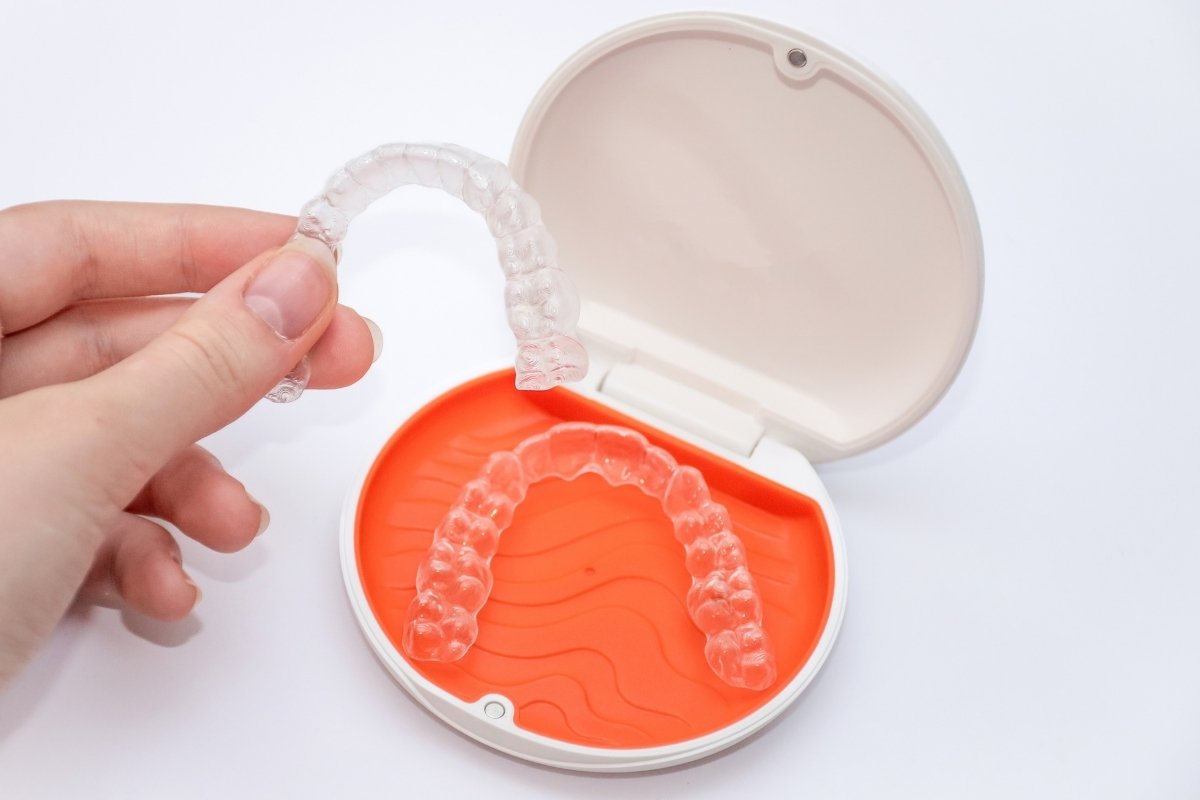
- Store aligners in their protective case when eating (never wrap them in a napkin!)
- Follow check-in schedules with Toombs Orthodontics
Small habits lead to smoother treatment and faster results.
Frequently Asked Questions
Does Invisalign always cause dry mouth?
Not always. Many people experience mild dryness during the first few weeks, but it often goes away once your body adapts.
Can wearing aligners at night make dry mouth worse?
Yes. People naturally produce less saliva at night, and aligners may amplify that dryness. A bedside humidifier can help.
Will drinking more water fix the problem?
Hydration helps significantly, but some patients need additional saliva-boosting options like xylitol or mouth gels.
Can dry mouth lead to cavities during Invisalign treatment?
Yes, if not managed. Low saliva encourages bacterial growth. Good brushing, daily flossing, and clean aligners lower the risk.
Should I remove Invisalign when my mouth feels dry?
No — removing aligners too often slows treatment. Instead, sip water, use relief sprays, or take short breaks while eating only.
Does Invisalign change the way you breathe?
Some people temporarily adjust their breathing patterns as they get used to aligners, which can contribute to dryness.
Can I use mouthwash for dry mouth?
Yes, but choose alcohol-free mouthwash labeled for dry mouth.
Could severe dry mouth mean something other than Invisalign?
Yes. Medications, dehydration, sinus issues, and medical conditions can contribute. A professional can help identify the cause.
A More Comfortable Invisalign Journey Starts with the Right Care
Dry mouth doesn’t have to get in the way of your smile transformation. With good hydration, proper cleaning habits, and support from our orthodontist, our Invisalign patients find quick relief and stay confident throughout treatment.
If dryness is affecting your aligner experience, making a few daily adjustments can help you feel much more comfortable — and help you stay on track toward the results you’re working for.
Recent Post

October 13, 2026
Your Braces Just Came Off: What Happens Next
October 6, 2026
Can Orthodontic Treatment Fix an Underbite Without Jaw Surgery?

September 27, 2026
Braces Cutting Your Cheeks? Here Is How to Get Relief
September 20, 2026
What to Eat During Orthodontic Treatment: Soft Foods, Safe Choices, and Recovery Tips

September 13, 2026
Can You Chew Ice With Invisalign?
Categories
Invisalign (56)