

May 13, 2026
Orthodontist
The teen years bring a lot of change. Between school, sports, social events, and growing confidence, dental care can sometimes take a back seat. That is often when alignment concerns become more noticeable. Many parents wonder what the process looks like, how long it takes, and how their teen will adjust to braces or aligners.
Understanding what to expect can make the experience smoother for both parents and teens.
Why the Teen Years Are Often the Right Time
Most orthodontic concerns are easier to correct during adolescence because the jaw is still developing. Teeth also tend to respond more efficiently to movement during this stage. That gives orthodontists more flexibility when correcting crowding, spacing, bite concerns, and alignment problems.
Teenagers are also usually mature enough to manage oral hygiene routines and follow care instructions consistently. This can make treatment more successful and help prevent setbacks.
The First Appointment Explained
The initial consultation is typically straightforward and informative. During the visit, the orthodontist examines the teeth, jaw alignment, and bite. Digital imaging or X-rays may also be taken to create a detailed treatment plan.
Parents can expect a conversation about:
Current dental concerns
Estimated treatment length
Recommended appliances
Oral hygiene expectations
Follow-up visits and adjustments
This is also the best time to ask questions about daily routines, sports participation, or school activities.
Common Options for Teens
Every teen has different needs, so treatment plans vary. Some may benefit from traditional braces, while others may qualify for removable aligners.
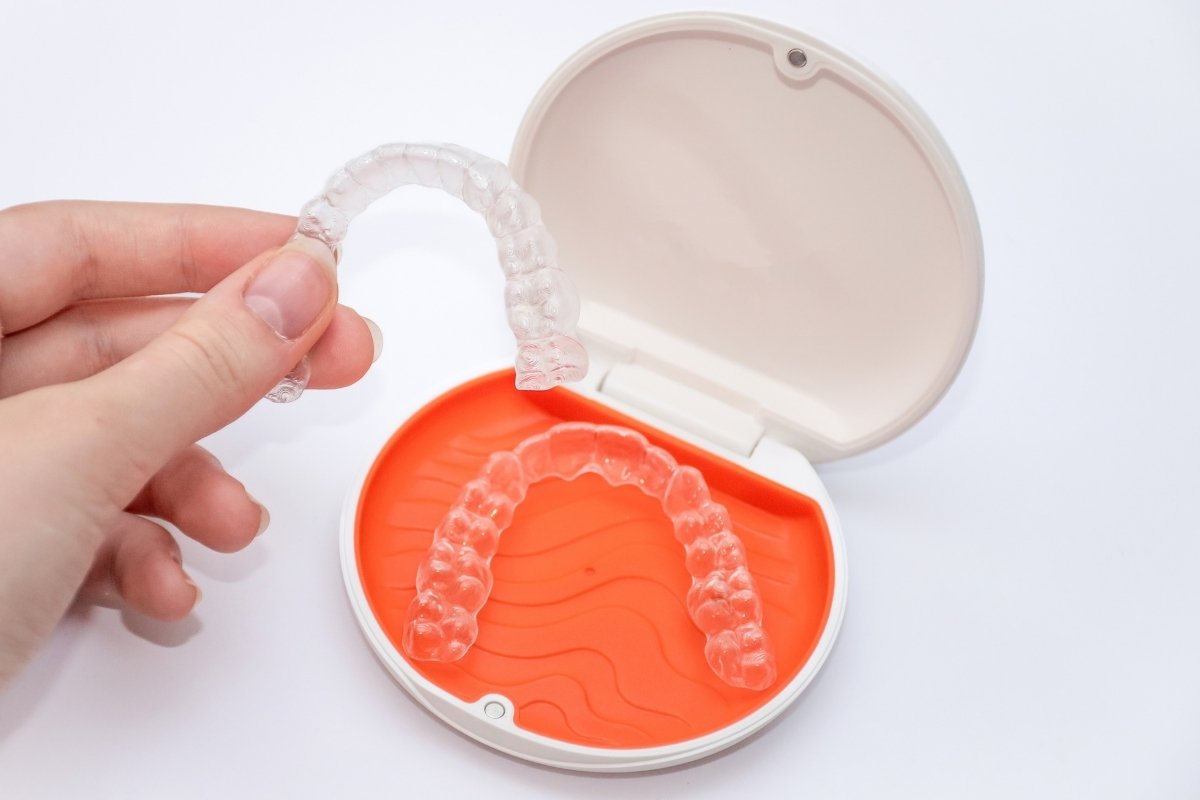
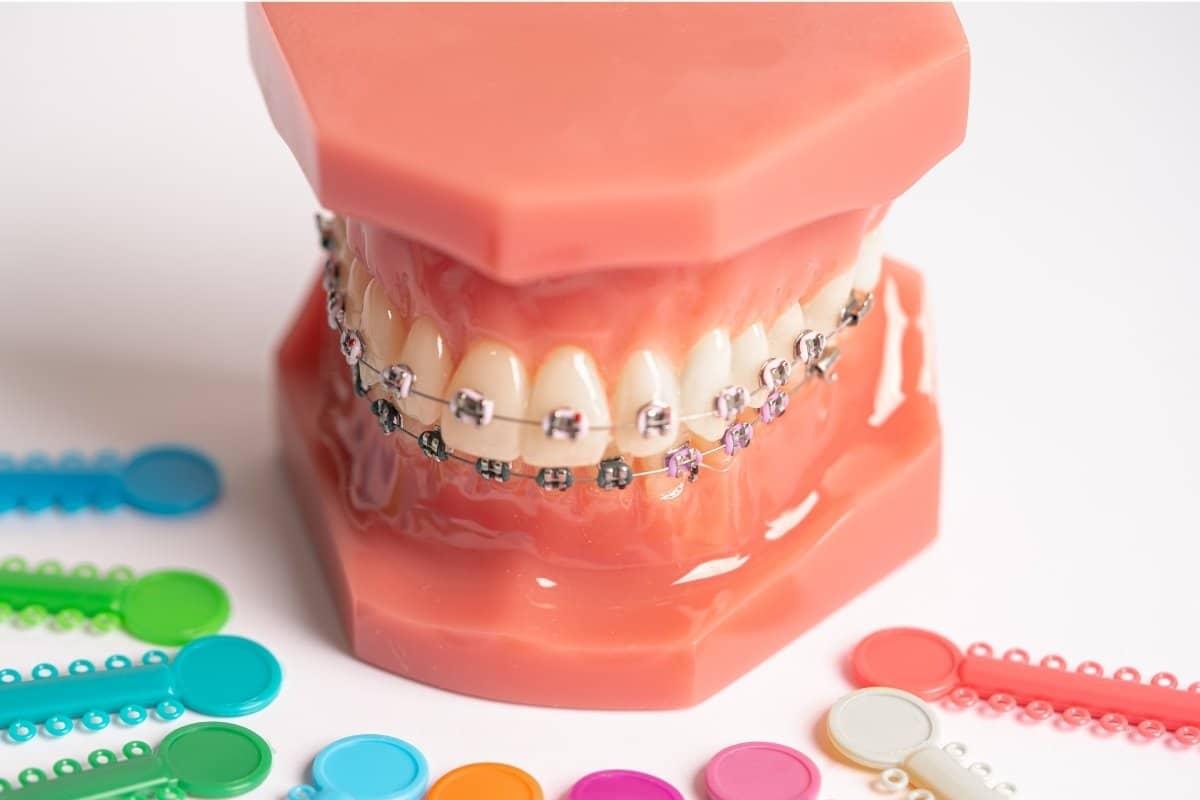
Metal braces remain a reliable choice because they effectively treat complex alignment issues. Ceramic braces are less noticeable and may appeal to image-conscious teens. Clear aligners offer flexibility and convenience for teens who can wear them responsibly.
A personalized approach to Orthodontic Treatment helps ensure the plan fits the teen’s lifestyle and dental goals without disrupting daily life.
What the Adjustment Period Feels Like
Most teens need a short adjustment period after appliances are placed. Mild soreness, pressure, and sensitivity are common during the first few days. Softer foods can help during this stage.
Speech may feel slightly different at first, especially with aligners, but most teens adapt quickly. Wax, orthodontic rinses, and proper brushing techniques can also improve comfort.
Parents should encourage patience during the early phase because discomfort typically fades within a week.
Keeping Teeth Healthy During Treatment
Good oral hygiene becomes even more important during treatment. Food particles and plaque can collect around brackets and wires if brushing is rushed.
Teens should:
Brush carefully after meals
Floss daily using orthodontic tools if needed
Limit sticky or hard foods
Attend scheduled adjustment visits
Consistent care helps prevent cavities, staining, and gum irritation while treatment progresses.
Supporting Your Teen Emotionally
Some teens feel excited about improving their smile, while others feel nervous about appearance changes. Parents play an important role in helping teens stay motivated and confident throughout the process.
Positive reinforcement can make a big difference. Celebrate milestones, encourage healthy habits, and remind your teen that treatment is temporary but the results can last for years.
Many teens also become more confident once they begin seeing progress.
When Parents Should Watch for Concerns
While most treatment progresses smoothly, there are times when parents should contact the orthodontic office. Persistent pain, loose brackets, damaged aligners, or sudden swelling should not be ignored.
Regular communication with the care team helps keep treatment on track and prevents small issues from becoming larger problems.
A Smile Journey Worth Supporting
Helping your teen through orthodontic care is about more than straight teeth. It can improve comfort, confidence, and long-term oral health. With realistic expectations and consistent support, the process becomes much easier for the whole family.
Families in Prairie Village who want trusted guidance for teen smile care can turn to Toombs Orthodontics for personalized support and expert care designed around busy teen lifestyles.
Ready to Help Your Teen Feel More Confident?
A healthier smile can shape the way teens feel about themselves for years to come. If you are considering care options in Prairie Village, the team at Toombs Orthodontics is here to help you understand every step of the process. Schedule an appointment today and learn how personalized treatment can support your teen’s growing smile.
FAQs :
At what age should teens start orthodontic care?
Most teens begin treatment between ages 11 and 16, depending on how their permanent teeth and jaw develop.
How long does treatment usually take?
Treatment length varies, but many teens wear braces or aligners for one to three years.
Can teens still play sports with braces?
Yes. Wearing a mouthguard during sports helps protect the teeth and orthodontic appliances.
Are aligners easier than braces?
Aligners can be convenient, but they require discipline because they must be worn each day consistently.
Will treatment affect school activities?
Most teens continue their normal routines without major interruptions after the initial adjustment period.
Recent Post

October 13, 2026
Your Braces Just Came Off: What Happens Next
October 6, 2026
Can Orthodontic Treatment Fix an Underbite Without Jaw Surgery?

September 27, 2026
Braces Cutting Your Cheeks? Here Is How to Get Relief
September 20, 2026
What to Eat During Orthodontic Treatment: Soft Foods, Safe Choices, and Recovery Tips

September 13, 2026
Can You Chew Ice With Invisalign?
Categories
Orthodontist (74)