
January 28, 2026
Orthodontist
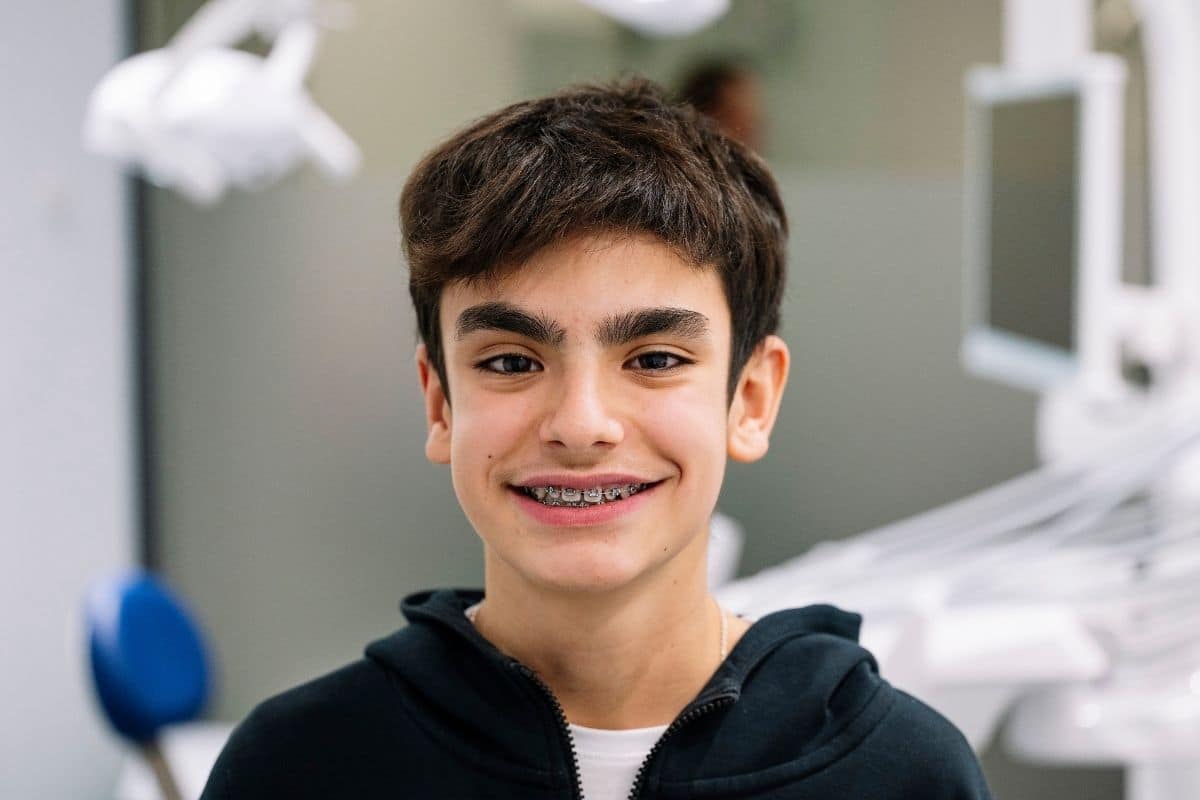
Starting orthodontic treatment is a commitment. Braces or aligners become part of daily life, and progress happens gradually. Still, many patients wonder what happens if treatment needs to stop before it is finished. Is it possible? Is it harmful? And what should you do if you are thinking about it? Let us break it down in a clear, honest way.
Orthodontic care is not just about straightening teeth. It involves guiding bone and bite alignment and promoting long-term oral health. Stopping midway can feel tempting when schedules change or discomfort sets in, but the decision deserves careful thought.
By the third or fourth visit, most patients have already seen changes. At this stage, guidance from an experienced orthodontist can make all the difference in understanding what is safe and what could cause setbacks.
Is It Possible to Stop Orthodontic Treatment Early?
Yes, it can be stopped, but it is rarely ideal
From a technical standpoint, orthodontic treatment can be paused or ended early. Appliances can be removed, and active tooth movement can stop. However, that does not mean the teeth are stable or that the adjustment is finished.
Teeth remember where they came from
Teeth naturally try to return to their original positions. When treatment stops too soon, this rebound effect can undo progress quickly, sometimes within weeks. Without a proper transition plan, results can be unpredictable.
Common Reasons Patients Consider Stopping Midway
Discomfort or soreness
Mild soreness is common early on. While it usually fades, some patients worry it means something is wrong. In most cases, it is a normal part of the process and can be managed.
Life changes
Changes in moves, school schedules, jobs, or financial stress can affect treatment plans. These situations are understandable, but they often have flexible solutions.
Expectations versus reality
Some patients expect faster results. Orthodontic care works in stages, and visible changes do not always reflect deeper alignment work happening beneath the surface.
What Are the Risks of Stopping Too Soon?
Teeth shifting out of balance
When treatment ends early, teeth may be partially aligned but not properly supported by bone and bite positioning. This can lead to uneven wear or spacing issues later.
Bite problems may remain
A straight smile does not always mean a healthy bite. Ending treatment too early may leave bite issues unresolved, leading to chewing difficulties and jaw discomfort.
Longer treatment later
Restarting treatment months or years later can take more time than finishing it properly the first time.
What to Do If You Are Thinking About Stopping
Talk before you decide
Never remove appliances or stop wearing aligners without professional guidance. A conversation can reveal options you may not have considered.
Ask about adjustments
In some cases, treatment can be modified, slowed, or temporarily paused rather than stopped entirely.
Get a clear exit plan
If stopping is unavoidable, a proper transition plan can help protect the progress already made and reduce unwanted tooth movement.
Quick Takeaways to Keep in Mind
• Stopping early is possible, but it carries risks
• Teeth can shift back quickly without proper planning
• Open communication often leads to better solutions
• Protecting your progress is always the priority
Thinking About Stopping Midway? Let Us Talk Prairie Village, KS
If you are feeling unsure or overwhelmed, you are not alone. The best next step is a straightforward conversation about where you are and what makes sense going forward. Visit our dental clinic in Prairie Village, KS, and connect with the team at Toombs Orthodontics to get honest guidance, clear options, and peace of mind before making a decision you might regret.
Quick Answers Before You Go
You are not the only one asking these questions. Here are a few answers patients often want right away.
Will stopping early damage my teeth?
Stopping does not damage teeth directly, but it can lead to shifting and bite issues if not handled properly.
Can I restart treatment later if I stop now?
Yes, but restarting may take longer depending on how much shifting occurs after stopping.
Is a pause different from stopping completely?
Yes. A supervised pause is sometimes possible, while stopping without a plan increases the risk of setbacks.
Should I keep wearing retainers if treatment ends early?
In most cases, some form of retention is needed to help maintain current alignment.
Recent Post
May 4, 2026
How Invisalign Moves Teeth Over Time: Step-by-Step Guide

April 27, 2026
Why Has Your Jaw Suddenly Become Misaligned? 7 Possible Causes You Shouldn’t Ignore
April 20, 2026
Simple Ways to Close Gaps Between Teeth and Improve Your Smile
April 14, 2026
What Should You Do If You Get A Cavity With Invisalign?
April 6, 2026
Open Bite Issues: How Invisalign Can Improve Chewing and Speech
Categories
Orthodontist (60)