
October 6, 2026
Orthodontist
Often, yes. Many underbites, especially mild to moderate ones and those caught during childhood, respond well to braces, aligners, and other orthodontic tools without any operating room involved. Surgery enters the picture mainly when the underbite comes from a significant mismatch in jaw size, and an orthodontist can tell you which camp you fall into after a proper exam. Here’s how it all works.
What Is an Underbite, and Why Does It Happen?
An underbite means your lower front teeth sit in front of your upper front teeth when you bite down. Your lower jaw may look like it juts forward, and some people notice it most in photos or when they smile.
Two different things can cause it:
Dental underbite. Your teeth lean or sit in the wrong position, but your jawbones line up fairly well. Thumb sucking, tongue thrusting, and crowded or tilted teeth can all play a role.
Skeletal underbite. Your lower jaw grew larger than your upper jaw, or your upper jaw grew smaller than it should. Genetics drive most of these cases, so if a parent or grandparent has one, you may have inherited the pattern.
That difference matters a lot, because it decides how much braces can realistically do.
How Do Braces and Other Appliances Correct an Underbite?
Braces move teeth, and teeth can move a surprising distance. For a dental underbite, your orthodontist tilts and shifts the upper teeth forward and the lower teeth back until the top row overlaps the bottom row the way it should.
Here are the tools that do the heavy lifting:
- Class III elastics. These small rubber bands connect your upper and lower braces and gently pull your bite into a better relationship. You change them daily, and consistent wear makes a huge difference.
- Palatal expanders. These devices widen a narrow upper jaw so your upper teeth have room to land in front of your lower ones.
- Facemask therapy. Kids wear this appliance, sometimes called reverse pull headgear, to encourage the upper jaw to grow forward.
- Temporary anchorage devices. These tiny screws placed in the bone give your orthodontist a firm anchor to move teeth in ways braces alone can’t manage.
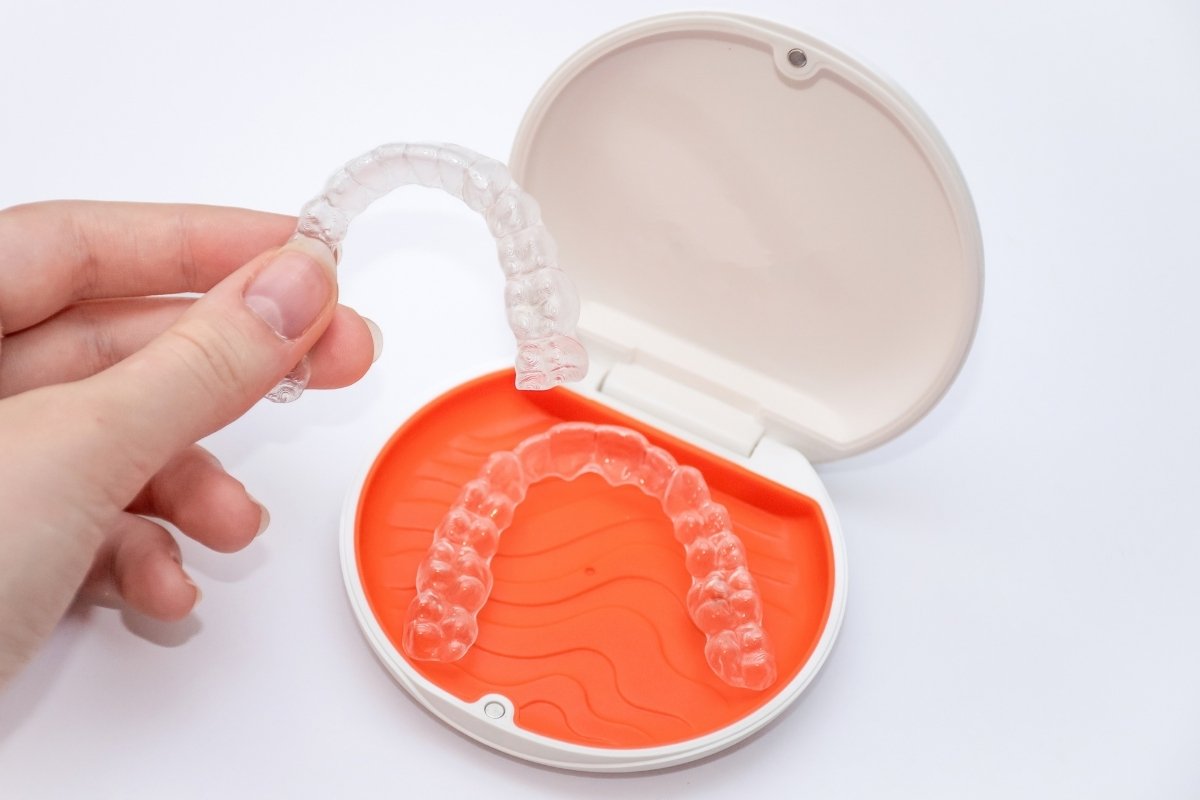
- Clear aligners. For milder cases, aligners can correct the bite, often with elastics added to the mix.
Some patients also need a tooth or two removed to create space for the correction. Your orthodontist will tell you upfront if that applies to you.
Who Qualifies for a Nonsurgical Fix?
You’re a strong candidate when your underbite is mostly about tooth position, when your jaw discrepancy is small, or when you’re still growing. Age shapes your options more than most people expect.
Children (roughly ages 6 to 10). Growing bones respond to guidance. An expander and facemask can steer jaw growth in the right direction, which sometimes prevents the need for surgery later. The American Association of Orthodontists recommends a first orthodontic check by age 7 for exactly this reason.
Teens. Braces and elastics often work well, though the final jaw growth pattern can still surprise everyone. Your orthodontist may monitor growth for a while before choosing a plan.
Adults. Your jaws have stopped growing, so appliances can’t reshape the bone. Orthodontists instead use a strategy called camouflage, where they move your teeth so your bite works and looks right even though your jaws stay as they are. This works nicely for mild and moderate cases.
When Does an Underbite Need Jaw Surgery?
Surgery becomes the better answer when the jaw discrepancy is too large for teeth alone to cover. If your orthodontist tried to camouflage a severe skeletal underbite, the teeth would need to tip so far that they’d look crooked, sit unstably, or stress the gums and bone around them.
Signs that point toward surgery include:
- A large gap between how far your upper and lower jaws sit from each other
- Trouble chewing or biting into food
- Chronic jaw pain or joint problems
- A facial profile that bothers you and that tooth movement can’t improve
Surgery doesn’t replace braces, either. You usually wear braces before and after the procedure, so the orthodontic work happens either way. A thorough exam with digital scans, X-rays, and a profile analysis shows which path makes sense. Some patients arrive convinced they need surgery and discover they don’t. Others learn that surgery will give them a much better result than braces ever could.
How Long Does Treatment Take, and What Does It Cost?
Most nonsurgical underbite corrections take about 18 to 30 months, depending on severity and how closely you follow the plan. Kids who use an expander and facemask often finish the first phase in under a year, then return for braces later to fine tune the bite.
Cost varies widely based on your age, the appliances involved, and the length of treatment. Your orthodontist will give you a clear number after your exam. Many practices offer flexible payment plans, and dental insurance sometimes covers part of the treatment, so ask your provider what applies to you.
What Happens If You Ignore an Underbite?
Some people live with an underbite for decades, but it can quietly cause trouble. Uneven tooth wear, chipped teeth, jaw joint pain, headaches, and difficulty chewing all show up more often in people with untreated underbites. Speech can suffer too, especially with certain sounds. Waiting also narrows your options, since growing kids have more nonsurgical choices than adults do.
Ready to Find Out What Your Bite Needs?
You shouldn’t have to guess whether braces can fix your underbite. A short visit can answer that, and you’ll walk out knowing your options, your timeline, and your next step.
Visit our dental clinic to meet the team at Toombs Orthodontics in Prairie Village, KS, where we’ll examine your bite, explain what’s happening in plain language, and map out a plan that fits your life. Call or book online through the Toombs Orthodontics website today, and take the first step toward a bite you feel good about.
FAQs :
1. Can an underbite fix itself?
Almost never. Underbites usually stay the same or get slightly worse as the jaws finish growing.
2. Do adults really have nonsurgical options?
Yes. Braces, elastics, aligners, and anchorage screws can correct many mild to moderate cases in adults.
3. Does fixing an underbite hurt?
You’ll feel soreness for a few days after getting braces or changing elastics. Over-the-counter pain relievers and soft foods usually handle it.
4. Will my underbite come back after treatment?
It can if you skip your retainer. Wear your retainer exactly as your orthodontist tells you, since teeth love to drift back toward their old positions.
5. What age should my child get evaluated?
Around age 7, or sooner if you notice an underbite earlier.
Recent Post

October 13, 2026
Your Braces Just Came Off: What Happens Next
October 6, 2026
Can Orthodontic Treatment Fix an Underbite Without Jaw Surgery?
September 27, 2026
Braces Cutting Your Cheeks? Here Is How to Get Relief
September 20, 2026
What to Eat During Orthodontic Treatment: Soft Foods, Safe Choices, and Recovery Tips
September 13, 2026
Can You Chew Ice With Invisalign?
Categories
Orthodontist (74)