
September 20, 2026
Orthodontist
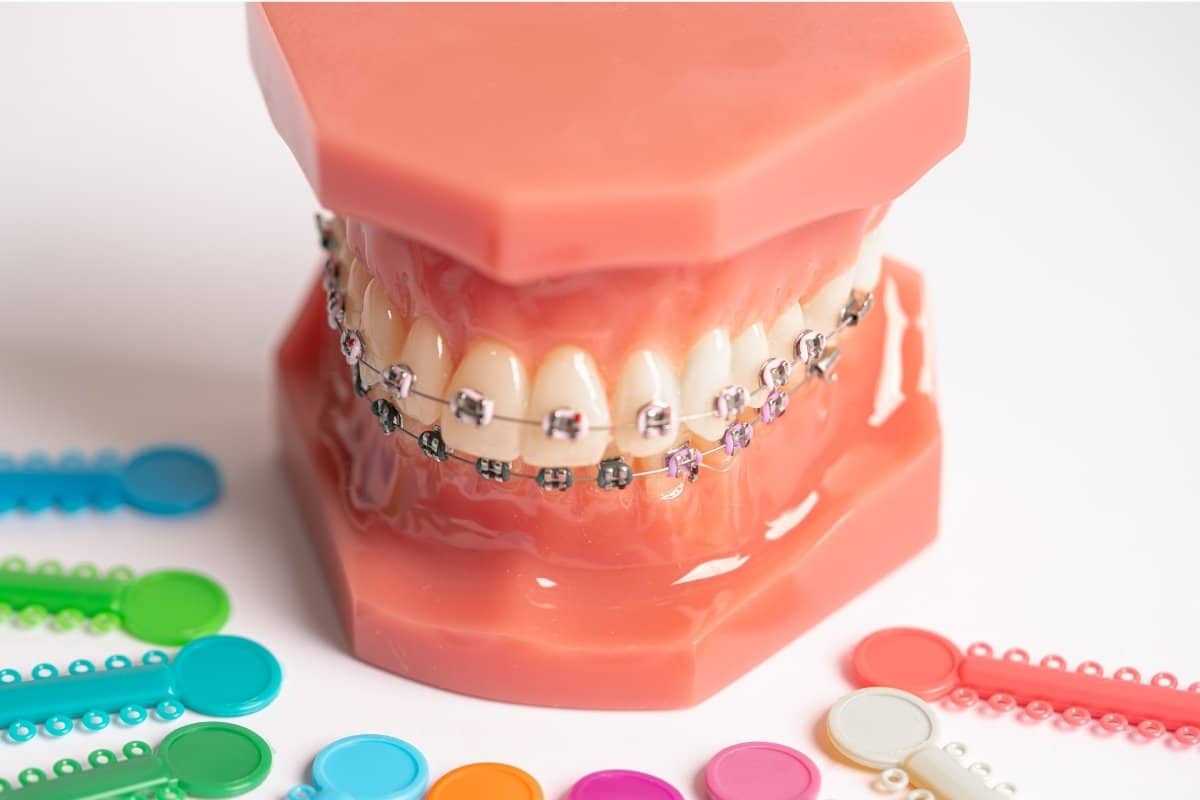
Getting braces or starting a new set of aligners changes your bite before it changes your smile. The direct answer to what you should eat is this: for the first three to five days after any adjustment, stick to soft, cool foods like yogurt, mashed potatoes, smoothies, scrambled eggs, oatmeal, and soup, then gradually reintroduce firmer foods while permanently cutting out anything hard, sticky, or extremely chewy for the entire length of your treatment.
That’s the short version. But knowing which specific foods fall into which category, and why some snacks that seem harmless can actually bend a wire or pop a bracket, makes a real difference in how comfortable and smooth your treatment goes. Here’s everything broken down.
What Can You Eat Right After Getting Braces or a New Aligner Tray?
The first few days after any orthodontic adjustment are when your teeth and gums are most tender. This is not the time to test your limits with a crunchy apple or a chewy bagel.
During this window, cold and soft foods work best because the temperature helps numb soreness while the texture requires almost no biting force. Good options include:
- Ice cream or frozen yogurt (without nuts or crunchy toppings)
- Smoothies and milkshakes
- Applesauce
- Mashed potatoes
- Scrambled eggs
- Yogurt
- Soft pasta
- Pudding or gelatin
- Blended soups
Most people notice the soreness fades within three to five days, at which point you can start layering in slightly firmer foods again.
Soft Foods That Are Safe Throughout Your Entire Treatment
Beyond the first week, you don’t need to live on baby food. There’s a wide range of satisfying meals that are gentle on brackets and wires without feeling restrictive.
Proteins: Scrambled or poached eggs, ground meat, meatballs, flaked fish, tofu, and beans are all easy to chew and packed with nutrients your body needs anyway.
Dairy: Cheese, yogurt, cottage cheese, and milk-based drinks are reliable staples that also support strong teeth.
Fruits and vegetables: Ripe bananas, cooked or steamed vegetables, mashed avocado, and canned or roasted fruits give you fiber and vitamins without the crunch. Raw produce isn’t off limits forever; just cut it into small pieces rather than biting directly into it.
Grains: Soft breads, rice, pancakes, and well-cooked pasta are filling and won’t stress your appliances.
Foods You Should Avoid With Braces or Aligners
This is the part most patients actually want clarity on, because a lot of everyday snacks quietly cause problems.
Hard foods like nuts, ice cubes, hard candy, and raw carrots can crack a bracket or bend a wire on contact. Sticky foods such as caramel, taffy, chewing gum, and gummy candies pull on brackets and can even loosen them entirely. Extremely chewy foods like bagels, tough cuts of steak, and beef jerky put unnecessary strain on your appliances over time.
Corn on the cob and whole apples deserve a special mention. You don’t have to give them up completely, just cut the kernels off or slice the fruit before eating so you’re chewing with your back teeth instead of biting directly with your front ones.
If you wear clear aligners, sugary and starchy foods are worth limiting for a different reason: trapped particles under the tray for extended periods can raise your risk of cavities.
How to Handle Soreness After Each Adjustment
Every time your braces are tightened, or you switch to a new aligner tray, mild discomfort for a day or two is normal. A few things help beyond just food choices:
- Rinse with warm salt water to soothe irritated gum tissue
- Take an over-the-counter pain reliever if needed
- Use orthodontic wax over any bracket that’s rubbing your cheek
- Chew slowly and on both sides of your mouth to distribute pressure evenly
Sticking to soft foods during this window isn’t about being overly cautious; it genuinely speeds up how quickly the soreness resolves.
Do You Have to Eat Like This for the Whole Treatment?
No. Most patients adjust within the first couple of weeks and settle into a routine where eating feels almost normal again, minus the short list of foods to permanently avoid. Your appetite and chewing comfort typically return to baseline once your mouth adapts to the pressure of the appliances.
Aligner wearers have it a bit easier here since the trays come out for meals, meaning there’s no food restriction beyond good judgment about sugar and staining. The tradeoff is discipline: trays need to go back in right after eating, and teeth should be brushed first so food isn’t sealed against the enamel for hours.
A Few Practical Eating Habits Worth Building
Cutting food into smaller pieces is one of the simplest habits that prevents most orthodontic emergencies. Beyond that, drinking plenty of water throughout the day helps rinse away food particles that get caught around brackets, and carrying a travel toothbrush or floss threader makes it easier to clean up after meals when you’re not at home.
Ready for a Smile That Doesn’t Hold You Back?
Good food choices make treatment smoother, but the right orthodontic team makes the whole experience easier from start to finish. Our team at Toombs Orthodontics walks you through exactly what to expect at every stage, from your first adjustment to your final reveal, so nothing about your treatment feels like guesswork.
If you’re in Prairie Village and have questions about your diet, your appliances, or where to even start, visit our dental clinic and let’s map out a treatment plan that fits your life, not the other way around.
Recent Post

October 13, 2026
Your Braces Just Came Off: What Happens Next
October 6, 2026
Can Orthodontic Treatment Fix an Underbite Without Jaw Surgery?
September 27, 2026
Braces Cutting Your Cheeks? Here Is How to Get Relief
September 20, 2026
What to Eat During Orthodontic Treatment: Soft Foods, Safe Choices, and Recovery Tips
September 13, 2026
Can You Chew Ice With Invisalign?
Categories
Orthodontist (74)