
September 27, 2026
Dental Braces
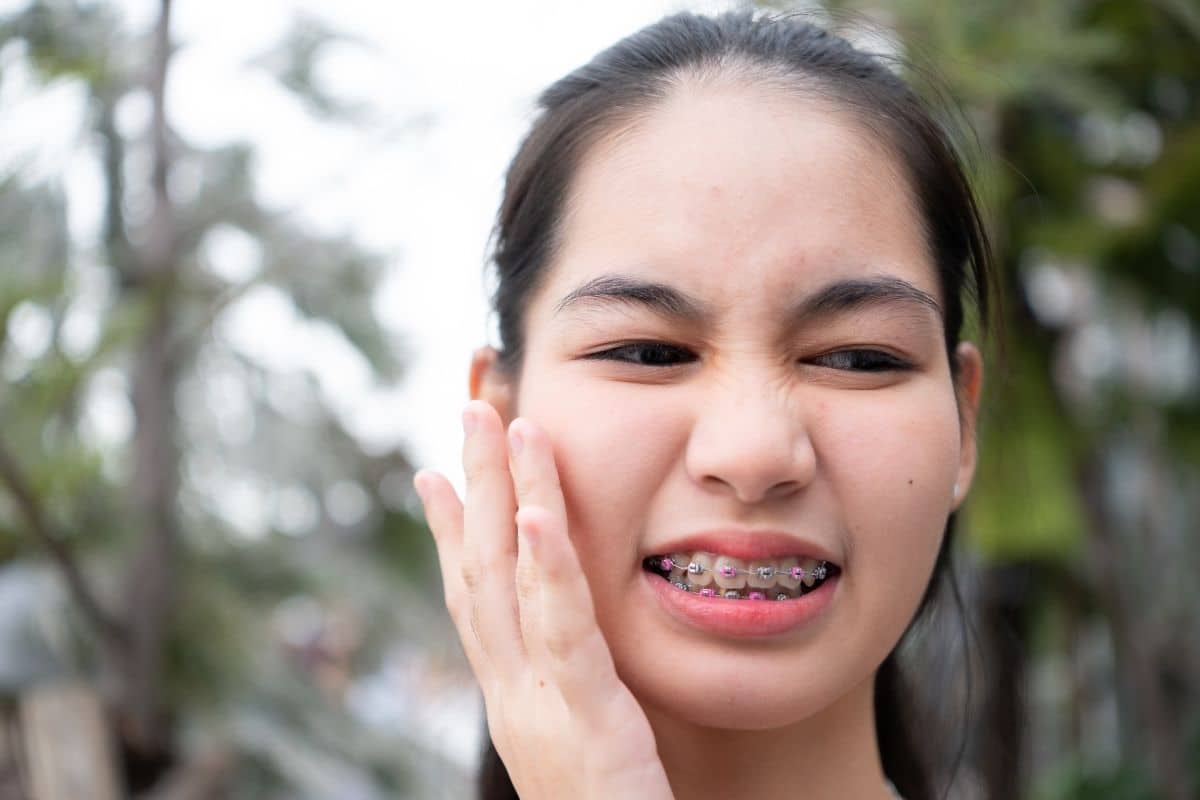
Raw, sore cheeks are the number one complaint in the first weeks of braces, and you can handle most of it at home. Here is how to stop braces from cutting your cheeks: cover the brackets and wires that rub with orthodontic wax, rinse with warm salt water, eat soft foods while your mouth adjusts, and call your orthodontist if a wire pokes you or a bracket comes loose. Give your mouth about two weeks, and your cheeks will toughen up. The details below will get you through it with a lot less pain.
Why do braces cut the inside of my cheeks?
Your cheeks and lips are soft tissue, and they rest directly against metal or ceramic hardware. Brackets have corners, and the wire that links them sticks out in spots. Every time you talk, chew, or smile, your cheeks slide across all of it. Your mouth has never dealt with that texture before, so new braces feel especially harsh.
A few things usually cause the cuts:
- Brackets and bands on your back teeth. They carry the biggest hardware, so your inner cheeks take the most friction there.
- Wire ends. After an adjustment, a wire can shift, and its tip can poke into your cheek.
- Tightening visits. Your teeth ache for a few days, and you may press your cheeks against them without noticing.
What can I put on my braces to stop the rubbing?
Orthodontic wax is your best first move. Most orthodontists hand it out at the start of treatment, and any drugstore sells it. Here is how to use it:
- Dry the bracket or wire with a tissue or a clean fingertip. Wax will not stick to a wet surface.
- Pinch off a ball about the size of a small pea and roll it between your fingers until it softens.
- Press it over the spot that rubs and smooth it down.
- Take it off before you eat, then use a fresh piece afterward.
Swallowing a little wax does no harm. Keep a small case in your backpack, your car, and on your nightstand so you never have to go without.
Silicone covers are another option. These soft strips or caps fit over brackets and stay put a little better than wax on back teeth. Ask your orthodontist which type fits your hardware.
How do I heal the cuts and sores I already have?
Start with a warm salt water rinse. Stir half a teaspoon of salt into 8 ounces of warm water, swish for 30 seconds, and spit. Do this two or three times a day, especially after meals. It cleans the area and calms the sting. Skip mouthwash with alcohol, since it burns open sores.
A few more things help:
- Numbing gel made for mouth sores can take the edge off before meals. Follow the label, and ask your pharmacist if a child or teen will use it.
- Cold works well. Sip ice water or let a popsicle melt against the sore spot.
- Ibuprofen or acetaminophen can ease the deeper ache after an adjustment. Follow the package directions.
- Soft, cool foods give your cheeks a break. Think yogurt, smoothies, mashed potatoes, scrambled eggs, and pasta.
- Salsa, citrus, chips, popcorn, and crusty bread can sting or jab a sore cheek, so skip them until you heal.
Resist the urge to poke or chew at a sore. Most cuts close in a few days to a week once you protect them from rubbing.
How long until my cheeks get used to braces?
Most people feel the worst of it during the first one to two weeks. Families across Prairie Village ask us this all the time, and the honest answer is about two weeks. Your cheek lining adapts by building a tougher layer at the friction points, a bit like a callus on your hand. You will feel a short round of tenderness after each adjustment, but it usually feels milder than the first time.
If your cheeks still feel raw after three weeks, tell your orthodontist. Something in your setup may need a tweak.
What if a wire pokes me or a bracket comes loose?
A poking wire needs attention because it will keep cutting the same spot. Cover the tip with wax first. Then try tucking it flat with the eraser end of a pencil or a cotton swab. Do not clip the wire yourself unless your orthodontist told you to. A sharp piece can injure your gums or slip down your throat. A wire trim takes minutes in the chair, so call the office.
A loose bracket or band can shift around and dig into your cheek. Cover it with wax, save any piece that falls off, and schedule a repair.
Call your orthodontist sooner if you notice any of these:
- A sore that does not improve after two weeks
- Swelling, or white or yellow discharge
- A fever
- Pain that over-the-counter medicine does not touch
If certain brackets keep causing trouble, ask whether a different bracket style or placement could ease the rubbing.
Sore Cheeks Should Not Be Part of Your Smile Plan
Braces should straighten your teeth without turning every meal into a chore. If your brackets keep rubbing, a wire keeps poking, or you cannot find relief, bring it to the team at Toombs Orthodontics in Prairie Village. We will smooth the rough spots, fix stray wires, and show you how to stay comfortable between visits. Visit our dental clinic in Prairie Village. Call or book online today, and get back to smiling without wincing.
Recent Post

October 13, 2026
Your Braces Just Came Off: What Happens Next
October 6, 2026
Can Orthodontic Treatment Fix an Underbite Without Jaw Surgery?
September 27, 2026
Braces Cutting Your Cheeks? Here Is How to Get Relief
September 20, 2026
What to Eat During Orthodontic Treatment: Soft Foods, Safe Choices, and Recovery Tips
September 13, 2026
Can You Chew Ice With Invisalign?
Categories
Dental Braces (18)