April 16, 2025
Orthodontist
Are you looking to enhance the appearance of your smile or improve your oral health? Orthodontic treatment can help! Whether you’re dealing with misalignment, overcrowding, or jaw issues, our orthodontist in Prairie Village can guide you toward the perfect solution. From traditional metal braces to advanced Invisalign aligners, various orthodontic treatment options can align your teeth for a healthier and more confident smile.
What is Orthodontic Treatment?
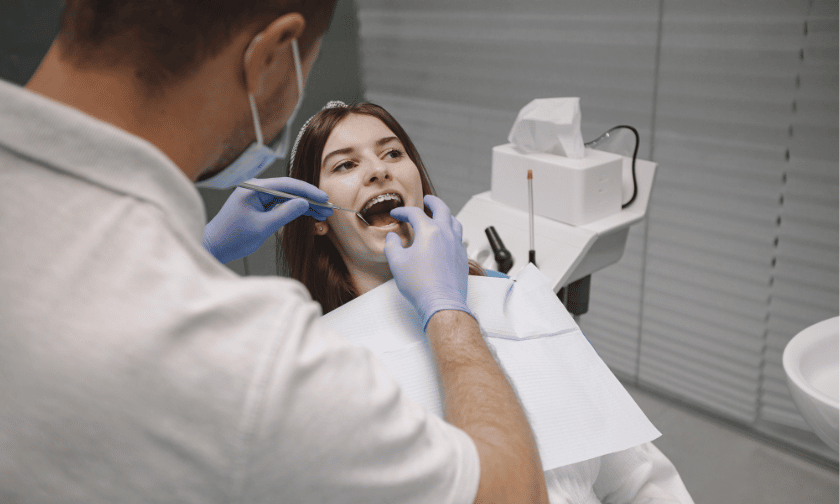
Orthodontic treatment is a specialized form of dental care that focuses on the alignment and positioning of your teeth and jaw. The primary goal of orthodontic treatment is not only to straighten teeth but also to improve oral function and reduce discomfort caused by misalignment. Our orthodontist in Prairie Village is trained to use various techniques, including braces, aligners, and other devices, to correct issues such as crooked teeth, bite problems, and jaw misalignment.
Types of Orthodontic Treatment
When it comes to orthodontic treatment, there are multiple options available depending on your specific needs:
- Traditional Metal Braces
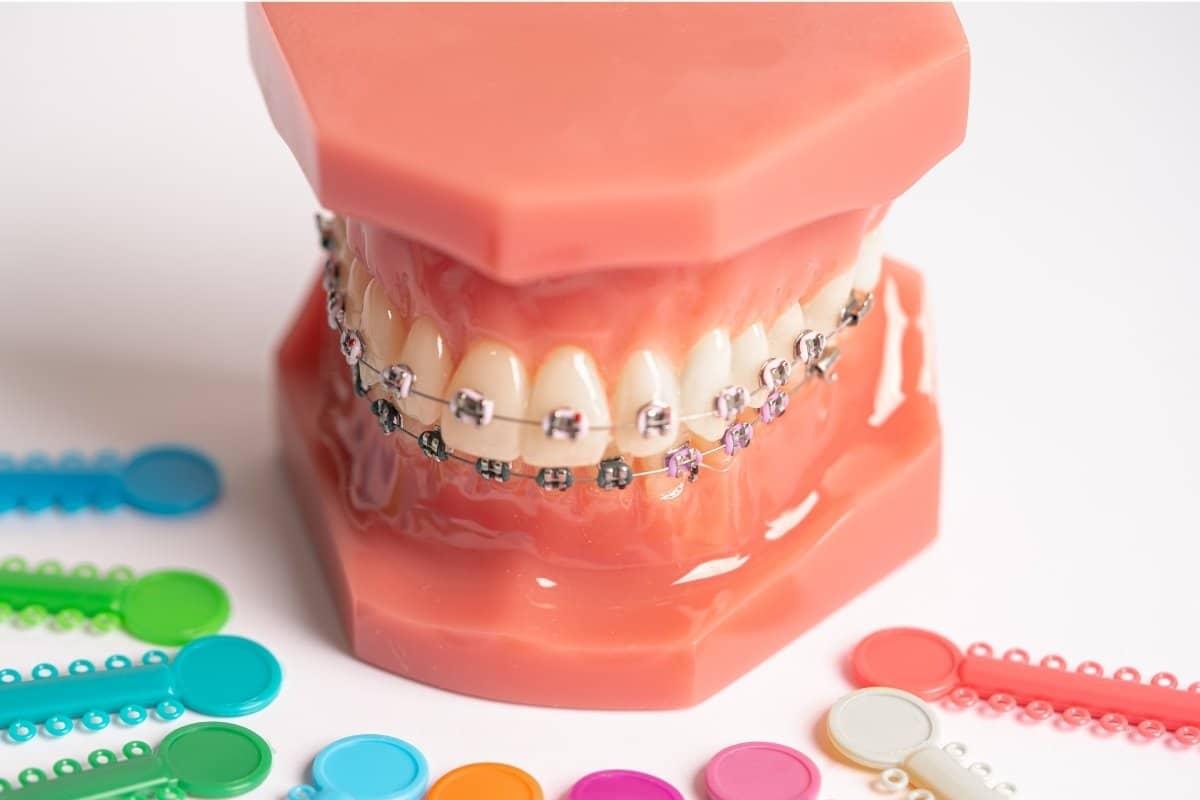
Traditional braces are the most common and widely used orthodontic treatment. These braces consist of metal brackets attached to the teeth, connected by wires that gently move the teeth into their proper positions. Metal braces are effective for a wide range of orthodontic issues and are especially useful for patients with severe misalignment. - Clear Ceramic Braces
For those who prefer a more discreet option, clear ceramic braces are a popular choice. These braces use tooth-colored brackets, making them less noticeable than metal braces. While they are equally effective, they may require more careful maintenance to avoid discoloration. - Invisalign Aligners
Invisalign is a modern and popular alternative to traditional braces, offering clear plastic aligners that are custom-made to fit over your teeth. These aligners are nearly invisible, comfortable, and removable, allowing for better oral hygiene and flexibility during treatment.
How Orthodontic Treatment Improves Your Smile
Orthodontic treatment is not just about aesthetics—it also offers several health benefits:
- Improved Appearance and Self-Confidence: Straightening your teeth enhances the overall look of your smile, boosting self-esteem.
- Better Oral Hygiene: Properly aligned teeth are easier to clean, reducing the risk of tooth decay, gum disease, and bad breath.
- Jaw Pain Relief: If you suffer from jaw pain or discomfort from an overbite or underbite, orthodontic treatment can correct the alignment of your jaw and alleviate these issues.
- Long-Term Dental Health: Aligning your teeth helps prevent wear and tear, excessive plaque buildup, and other dental problems that can occur when teeth are misaligned.
How to Maintain Oral Hygiene During Orthodontic Treatment
One of the most important aspects of orthodontic treatment is maintaining proper oral hygiene. While wearing braces or aligners, it is essential to brush and floss regularly to prevent plaque buildup and cavities. Here are some tips to help you keep your teeth clean:
- Brush after every meal: This will help remove food particles trapped in your braces or aligners.
- Use specialized orthodontic tools: Interdental brushes, floss threaders, and water flossers can make cleaning easier.
- Stay on top of regular dental check-ups: Regular visits to your orthodontist and general dentist will ensure that your treatment is progressing and your teeth remain healthy.
Potential Side Effects of Orthodontic Treatment
While orthodontic treatment is generally safe, some patients may experience temporary discomfort, especially after adjustments. Here are a few side effects that can occur during treatment:
- Soreness or tenderness: As your teeth move, you may experience soreness in your gums and teeth, which typically lasts a few days.
- Irritation from brackets or wires: Metal braces can cause irritation to the inside of your mouth. Orthodontists recommend using wax to cover the brackets and prevent sores.
- Difficulty speaking or eating: At first, you may find it harder to talk or chew properly, but this usually improves as you get used to your braces or aligners.
Retainers: The Key to Maintaining Your New Smile
Once your orthodontic treatment is complete and your teeth have been straightened, it’s important to wear a retainer to keep your teeth in their new positions. Retainers help prevent your teeth from shifting back to their original misaligned state. Your orthodontist in Prairie Village will guide you on how long to wear your retainer, which can vary from a few months to several years, depending on your case.
Orthodontic Treatment for Adults
It’s never too late to achieve a beautiful smile! More and more adults are seeking orthodontic treatment to improve their dental health and appearance. Whether you’re interested in traditional braces, clear ceramic braces, or Invisalign aligners, there are options available for adults. Consulting with our experienced orthodontist will help you determine the best treatment plan based on your individual needs.
Why Choose Toombs Orthodontics in Prairie Village?
Toombs Orthodontics offers personalized care and the latest orthodontic treatments to ensure you get the smile you’ve always wanted. Our team of experts is dedicated to providing high-quality orthodontic care in a comfortable and friendly environment. Whether you’re looking for traditional braces, Invisalign, or other orthodontic treatments in Prairie Village, we are here to help you every step of the way.
FAQs about Orthodontic Treatment
Q: How long does orthodontic treatment take?
A: The duration of orthodontic treatment can vary depending on the severity of the case and the type of treatment chosen. Typically, treatment can take anywhere from 12 to 36 months.
Q: Can I still get orthodontic treatment if I’m an adult?
A: Absolutely! Many adults opt for orthodontic treatment to improve their smiles. Invisalign and clear ceramic braces are popular options for adults who want a more discreet treatment.
Q: Will orthodontic treatment be painful?
A: Some discomfort is common, especially after adjustments. However, this is usually temporary and can be managed with over-the-counter pain relievers or a soft-food diet.
Recent Post

October 13, 2026
Your Braces Just Came Off: What Happens Next
October 6, 2026
Can Orthodontic Treatment Fix an Underbite Without Jaw Surgery?
September 27, 2026
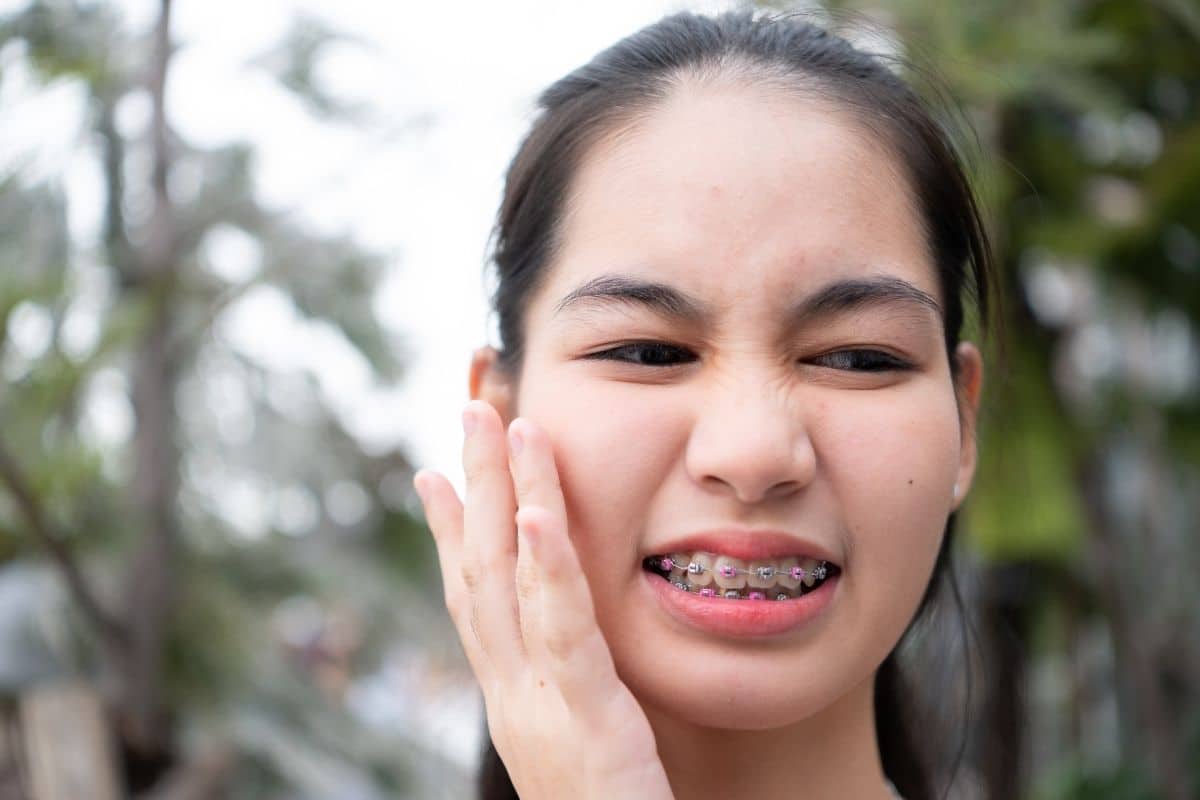
Braces Cutting Your Cheeks? Here Is How to Get Relief
September 20, 2026
What to Eat During Orthodontic Treatment: Soft Foods, Safe Choices, and Recovery Tips

September 13, 2026
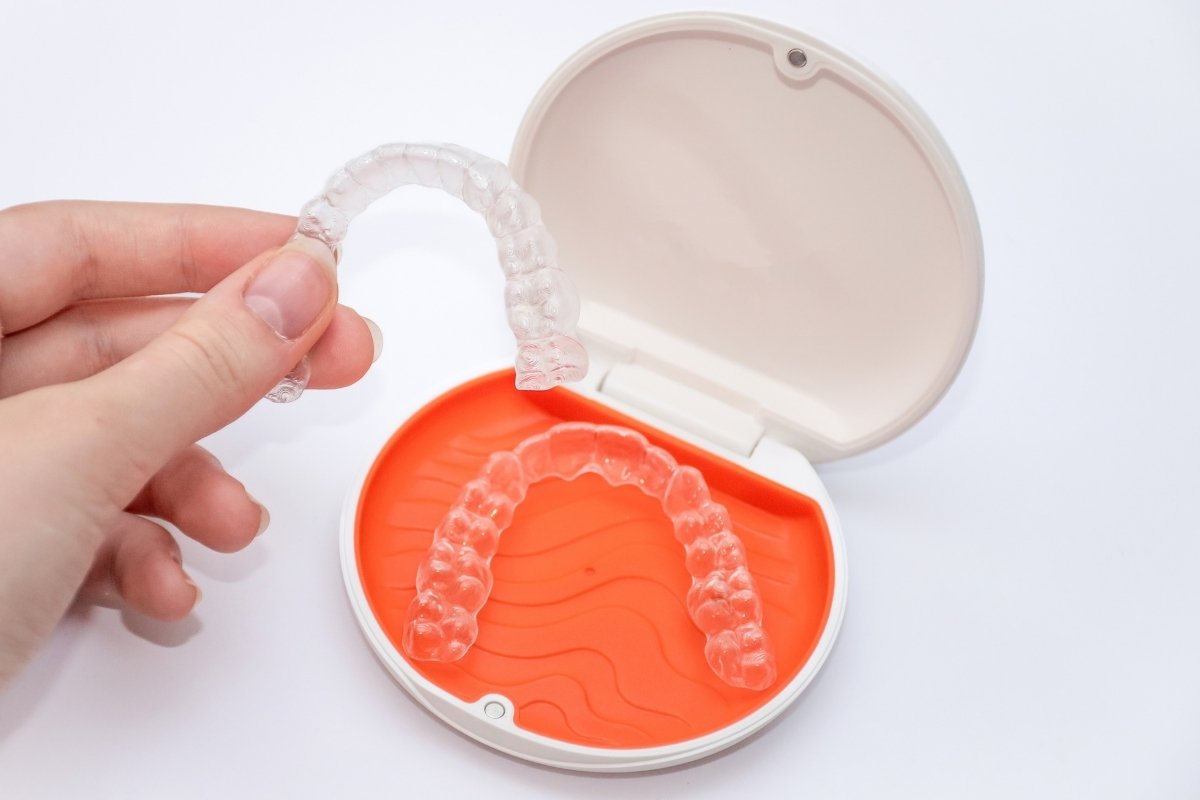
Can You Chew Ice With Invisalign?
Categories
Orthodontist (74)