
February 24, 2023
Invisalign
From the traditional braces to clear aligners and other new treatments, orthodontics is a growing field that can give you a great smile. But what do you need to know about orthodontic treatment? Read on for five important facts about orthodontics that may surprise you!
What Is Orthodontics?
Orthodontics is a branch of dentistry that focuses on the diagnosis, prevention, and treatment of dental and facial irregularities. The most common type of orthodontic treatment is braces, which are devices used to align and straighten teeth.
Orthodontics has been around for centuries. Early forms of braces were used in ancient Greece, Rome, and Egypt. In the early 1800s, French physician Pierre Fauchard published a book called “The Surgeon Dentist” which described how to use metal wires to align teeth. In the early 1900s, Edward Angle developed the first system for classifying different types of malocclusions (bad bites).
Today, orthodontics is a highly specialized field. Orthodontists must complete four years of dental school followed by two to three years of additional training in orthodontics. They use state-of-the-art technology to create custom treatment plans for each patient.
Common Treatments and Procedures
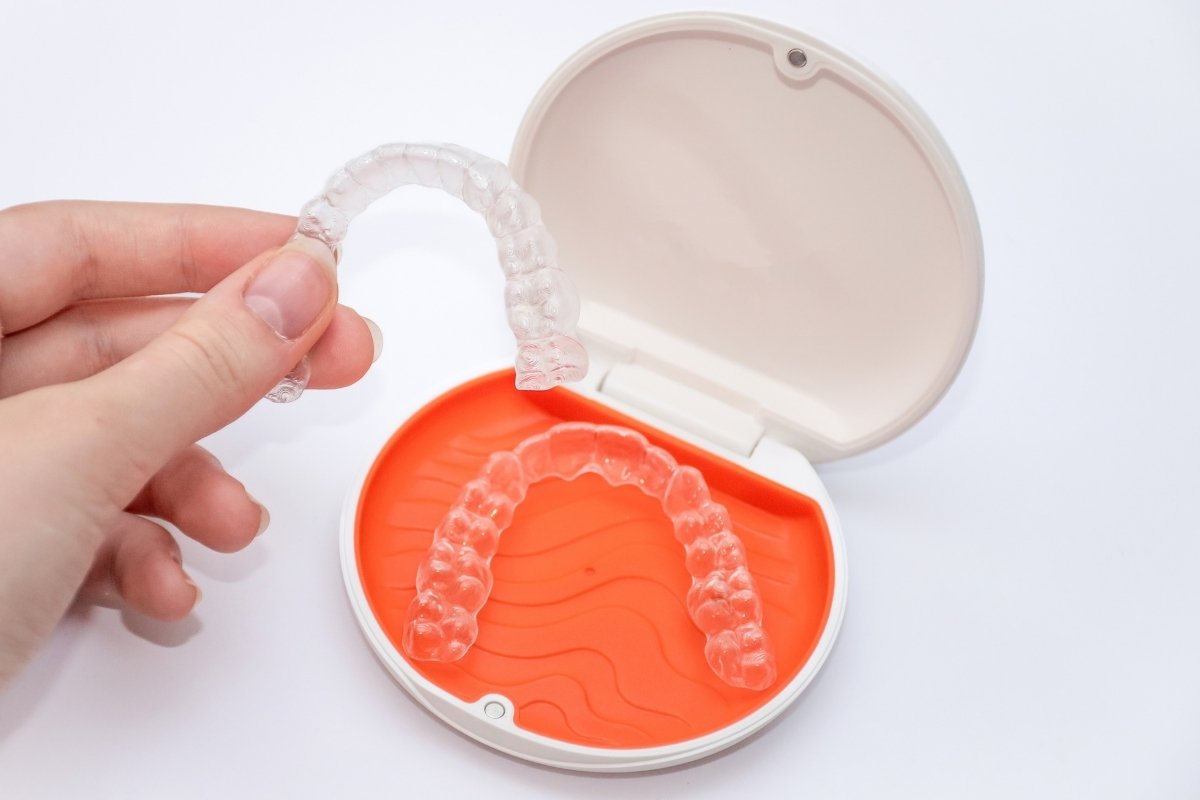
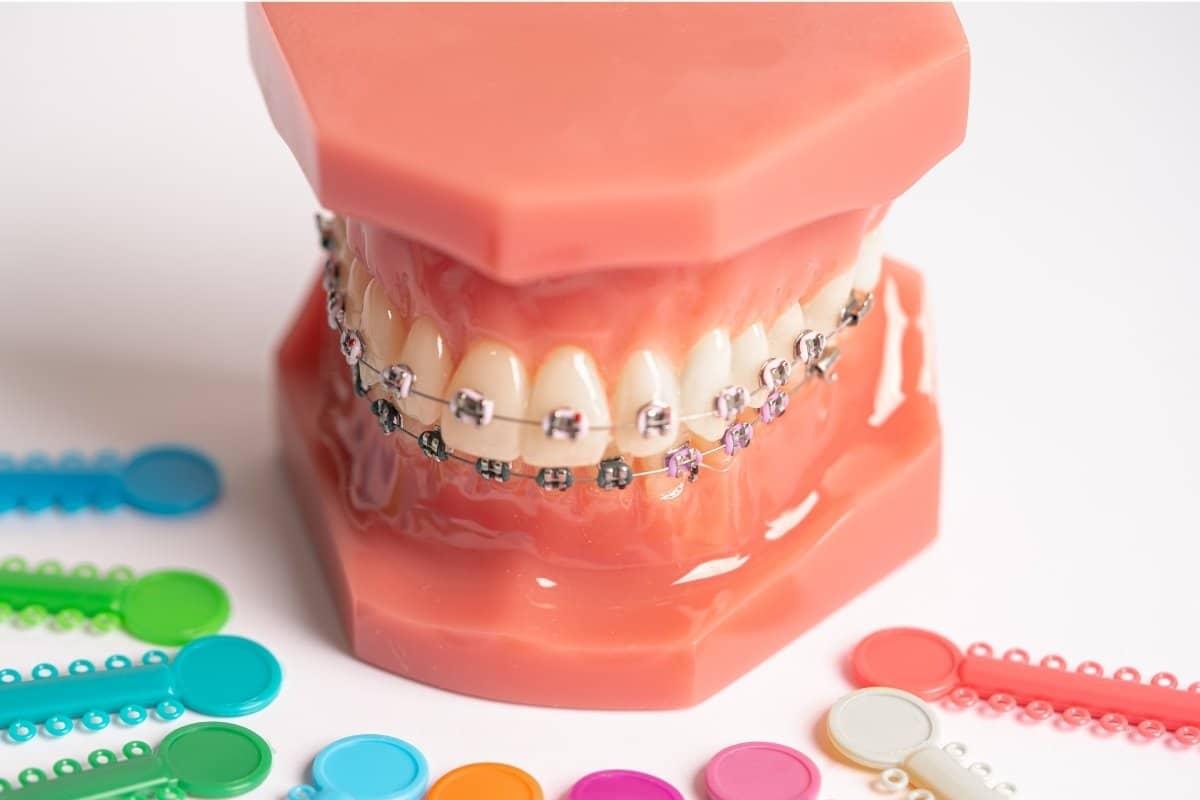
A number of different treatments and procedures are available to patients who seek orthodontic care. The most common treatment is braces, which are devices that are used to straighten teeth. There are a variety of braces that orthodontists can use, including metal braces, ceramic braces, and invisible braces. In addition to braces, other common treatments and procedures include palate expansion, tooth extractions, and the use of retainers.
Benefits of Orthodontic Treatment
There are many benefits to orthodontic treatment, both for the patients and for the orthodontist. Perhaps the most obvious benefit is the improvement in the patient’s appearance. This can lead to increased self-esteem and confidence, which can have a positive impact on every area of their life. Other benefits of orthodontic treatment include:
- Improved oral health – straighter teeth are easier to keep clean, meaning that patients are less likely to develop tooth decay or gum disease.
- Reduced risk of injury – straight teeth are less likely to be chipped or broken in an accident.
- Improved speech – some patients find that their speech improves after having braces or other corrections made to their teeth.
- Reduced wear and tear on teeth – over time, crooked or crowded teeth can cause unusual wear and tear patterns that can lead to premature tooth loss. Orthodontic treatment can help prevent this.
Cost And Insurance Coverage Of Orthodontics
The cost of orthodontic treatment can vary depending on the severity of the problem and the type of treatment required. However,orthodontic treatment is usually covered by dental insurance. For those who do not have dental insurance, there are a number of financing options available to help make orthodontic treatment more affordable.
Tips For Finding An Orthodontist
If you or your child is in need of orthodontic treatment, it is important to choose an orthodontist that is right for you. Here are a few tips to help you find an orthodontist:
- Ask for recommendations – Talk to your family and friends who have had orthodontic treatment. They can provide first-hand insights into their experience with their orthodontist and whether they would recommend them.
- Do your research – Once you have a few recommendations, take the time to do some research on each orthodontist. Read online reviews, check out their website, and give them a call to get more information about their services.
- Consider your needs – When choosing an orthodontist, be sure to consider your specific needs. If you or your child has a complex case, you will want to choose an experienced orthodontist who has successfully treated similar cases.
- Ask questions – When meeting with an orthodontist for a consultation, be sure to ask any questions you may have about the treatment process, the expected results, and anything else that is important to you. This will help you make an informed decision about whether this is the right orthodontist for you.
Conclusion
Orthodontics is an exciting and rewarding field with the potential to dramatically improve your smile and oral health. Whether you are considering braces, Invisalign, or another orthodontic treatment option, understanding the basics of orthodontics is essential for achieving optimal results. With a better understanding of what it takes to maintain healthy teeth and gums, you can take steps towards getting the perfect smile that you have always wanted.
FAQs
Q: What is orthodontics?
A: Orthodontics is the branch of dentistry that deals with the diagnosis, prevention and treatment of dental and facial irregularities. The word “orthodontics” comes from the Greek words “orthos”, meaning straight, and “dontos”, meaning teeth. Orthodontic treatment can improve the appearance, function and health of your teeth, bite and smile.
Q: Why might I need orthodontic treatment?
A: There are many reasons why you might need orthodontic treatment. Treatment may be recommended for cosmetic reasons to improve the appearance of your teeth and smile. It can also be recommended to improve how your teeth bite together (occlusion) or to relieve certain types of pain or discomfort in the jaw joint (TMJ). Orthodontic treatment may also be recommended to help protect your teeth from further wear or damage.
Q: When is the best time to start orthodontic treatment?
A: The best time to start orthodontic treatment is usually when all of the adult teeth have come through (around age 12-14 years), although there are some exceptions to this rule. Early interceptive treatment may be recommended in some cases to prevent more serious problems from developing later on. In other cases, it may be better to wait until all of the adult teeth have come through before starting treatment.
Recent Post

October 13, 2026
Your Braces Just Came Off: What Happens Next
October 6, 2026
Can Orthodontic Treatment Fix an Underbite Without Jaw Surgery?

September 27, 2026
Braces Cutting Your Cheeks? Here Is How to Get Relief
September 20, 2026
What to Eat During Orthodontic Treatment: Soft Foods, Safe Choices, and Recovery Tips

September 13, 2026
Can You Chew Ice With Invisalign?
Categories
Invisalign (56)