March 6, 2026
Orthodontist
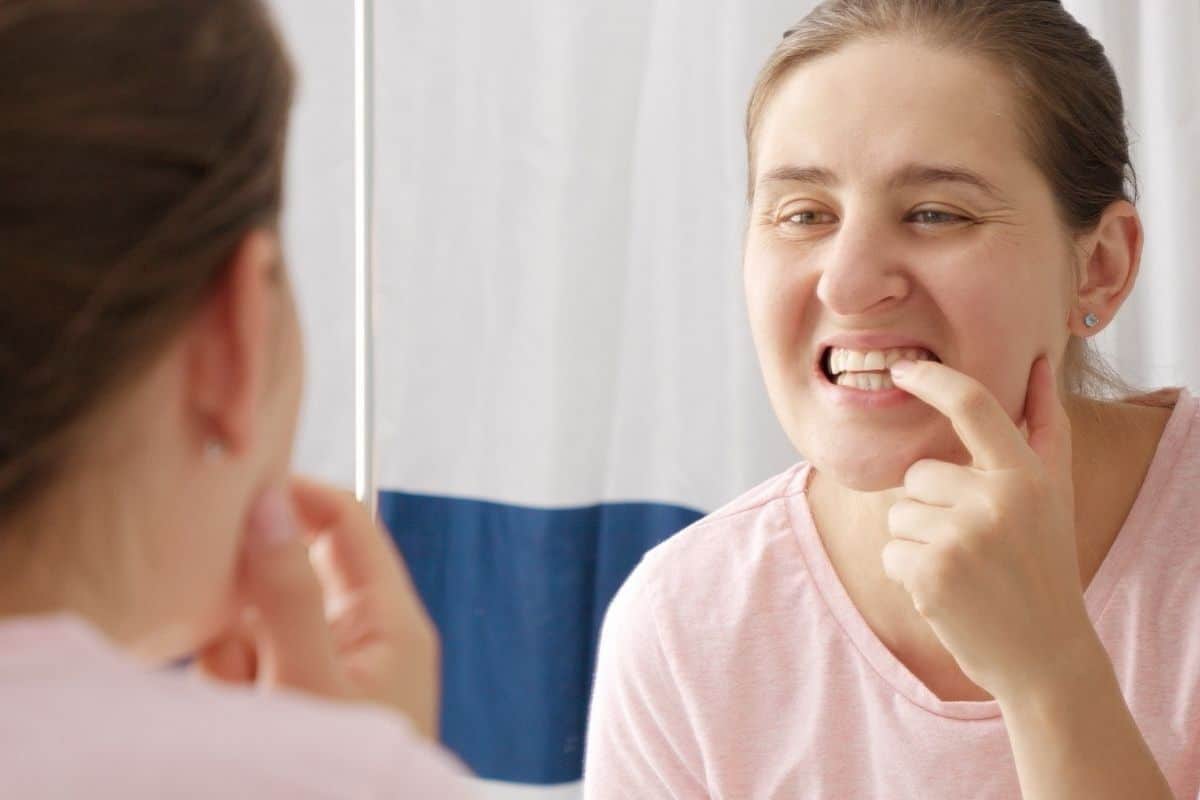
Straightening your teeth is a huge accomplishment, whether it took months or years. But for some adults, a perfectly aligned smile can start shifting back over time. This phenomenon, known as orthodontic relapse, is more common than many realize. Understanding why it happens and how to prevent it can save you from frustration and extra dental work.
Why Teeth Shift After Orthodontic Treatment
Teeth are not set in stone. They sit in a network of bone, gum, and soft tissue that naturally adjusts over time. Even after braces or aligners, this delicate balance can allow teeth to slowly drift. For adults, lifestyle factors like teeth grinding, changes in bite, or natural aging can influence this movement. That’s why an orthodontic professional always emphasizes long-term maintenance after treatment. Retainers, for example, play a critical role in keeping your smile stable. Skipping them, even occasionally, can trigger noticeable shifts.
Recognizing Signs of Relapse
Spotting relapse early is easier than you might think. Watch for:
Crowding or overlapping of front teeth
Gaps forming between teeth that were once tight
Changes in how your upper and lower teeth meet
Even minor changes can snowball into bigger alignment issues if ignored. Routine check-ups with your orthodontist help catch these early before they require more extensive correction.
Can Adults Prevent Relapse?
Yes, prevention is possible with consistent habits:
Commit to wearing retainers: Even if it’s just a few nights a week, retainers maintain the position of your teeth.
Attend regular dental visits: Your orthodontist can monitor small shifts and intervene early.
Protect your teeth from wear: Night guards can prevent grinding, a common culprit of relapse.
Mind lifestyle habits: Chewing ice, nail-biting, or using teeth as tools can slowly push teeth out of alignment.
Unlike teenagers, adults’ bone structure is less flexible, which sometimes makes relapse more noticeable or faster. The good news is that most cases can be managed effectively with a personalized approach from your orthodontist.
The Role of Retainers in Adult Smiles
Retainers are often considered a post-treatment “chore,” but for adults, they are essential. Your teeth naturally try to return to their original positions, a process orthodontists call “memory.” Wearing a retainer as recommended ensures that your investment in a straight smile lasts a lifetime. Depending on your unique case, your orthodontist might suggest a fixed retainer behind the teeth or a removable option that fits comfortably in your mouth.
Embracing Long-Term Smile Care
Orthodontic relapse isn’t a sign of failure—it’s a natural process. Understanding your smile’s tendencies and staying consistent with preventive measures can help you maintain alignment for decades. Modern adult orthodontics offers flexible solutions to address shifting teeth, from discreet aligners to targeted adjustments.
Ready to Protect Your Smile?
A stable, confident smile is achievable at any age. Visit our dental clinic in Lenexa to learn how to prevent orthodontic relapse and explore options for maintaining your perfect alignment. Our team specializes in personalized care designed to fit your lifestyle, ensuring your teeth stay where they belong—beautifully in place.
FAQs :
Q: How common is orthodontic relapse in adults?
A: It’s fairly common. Studies show many adults experience minor shifts without proper retainer use.
Q: Can I correct a relapse without braces?
A: In some cases, clear aligners or minor adjustments can restore your smile without traditional braces.
Q: How long should I wear my retainer?
A: Many adults benefit from nightly use for life to keep teeth stable. Your orthodontist will tailor a schedule for you.
Q: Are there risks if I ignore small shifts?
A: Yes. Minor changes can progress into misalignment that affects your bite, jaw comfort, and oral health.
Recent Post

October 13, 2026
Your Braces Just Came Off: What Happens Next
October 6, 2026
Can Orthodontic Treatment Fix an Underbite Without Jaw Surgery?
September 27, 2026
Braces Cutting Your Cheeks? Here Is How to Get Relief
September 20, 2026
What to Eat During Orthodontic Treatment: Soft Foods, Safe Choices, and Recovery Tips
September 13, 2026
Can You Chew Ice With Invisalign?
Categories
Orthodontist (74)