
May 4, 2026
Uncategorized
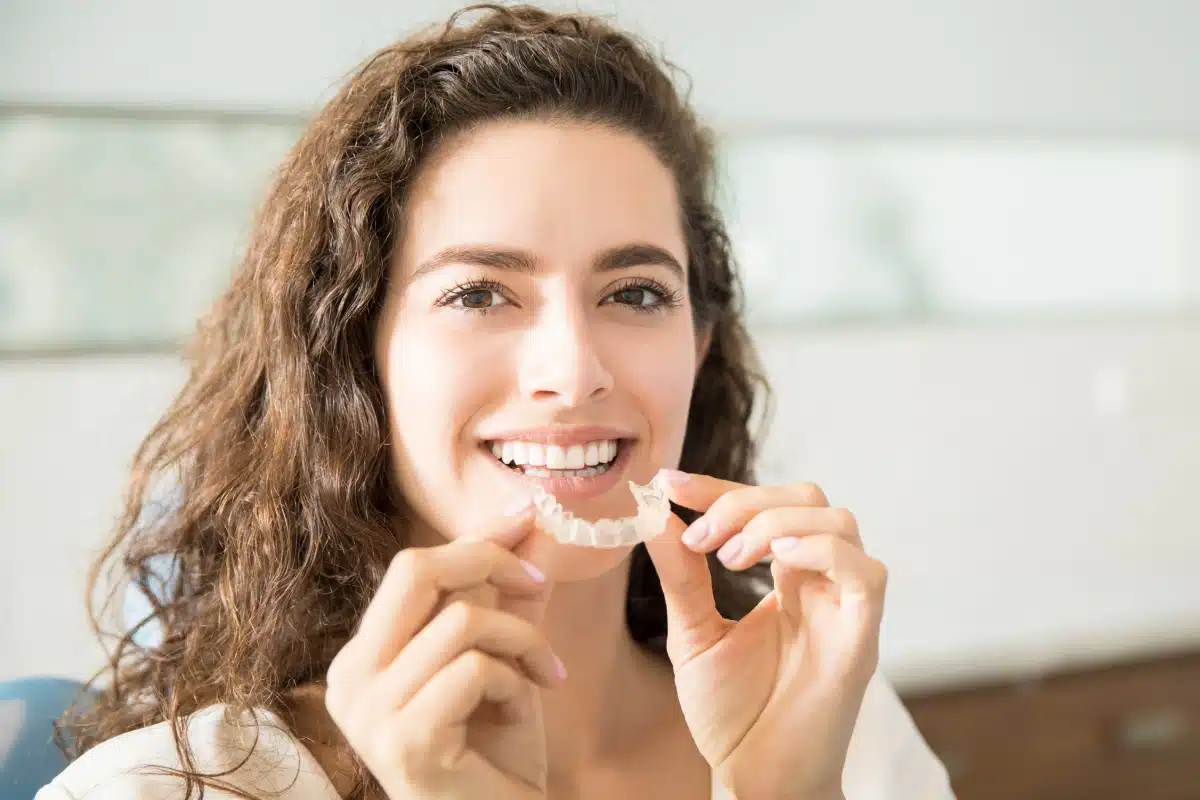
Straightening your teeth no longer has to mean brackets and wires. Clear aligner therapy works in a more subtle, controlled way, gradually guiding teeth into better positions. Understanding how the process unfolds over time helps patients stay consistent and confident throughout treatment. When you know what is happening at each stage, it becomes easier to trust the process and stick with it.
The Science Behind Tooth Movement
Orthodontic treatment works by applying controlled pressure to teeth, encouraging them to shift within the jawbone. This movement is possible because the bone around your teeth is constantly remodeling.
In the early phase of treatment, each custom-fit aligner is designed to apply gentle, targeted force to specific teeth. This pressure signals the body to break down bone in one area and rebuild it in another, allowing teeth to move safely over time.
Why Gradual Movement Matters
Teeth need time to adjust without damaging roots or surrounding tissue
Slow movement reduces discomfort and improves long-term stability
Controlled force ensures predictable results
Step-by-Step: How Teeth Move Over Time
Step 1: Digital Planning and Mapping
Treatment begins with a digital scan of your teeth. Advanced software maps out each stage of movement from start to finish. This plan determines how every aligner will guide your teeth.
Step 2: First Sets of Aligners
The initial trays focus on small adjustments. You may not notice dramatic changes right away, but these early movements create the foundation for future shifts.
Step 3: Progressive Alignment
Each new set of aligners builds on the last. Teeth begin to move more visibly as spacing improves and alignment becomes more balanced. Consistency in wearing the trays is key during this stage.
Step 4: Refinement Phase
As treatment progresses, fine adjustments help correct minor imperfections. This stage ensures your bite feels natural and your smile looks even.
Step 5: Retention
Once alignment is complete, retainers help maintain results. Without this step, teeth can slowly shift back over time.
What You May Notice During Treatment
Patients often experience small changes that signal progress. These changes vary from person to person but are part of the normal process.
Mild pressure when switching to a new aligner set
Slight tightness that fades after a day or two
Gradual improvement in spacing and alignment
Easier cleaning compared to traditional options
Tips to Keep Your Treatment on Track
Staying consistent plays a major role in how smoothly your treatment progresses.
Wear aligners for the recommended number of hours daily
Switch trays on schedule as instructed
Keep aligners clean to avoid buildup
Attend regular check-ins to monitor progress
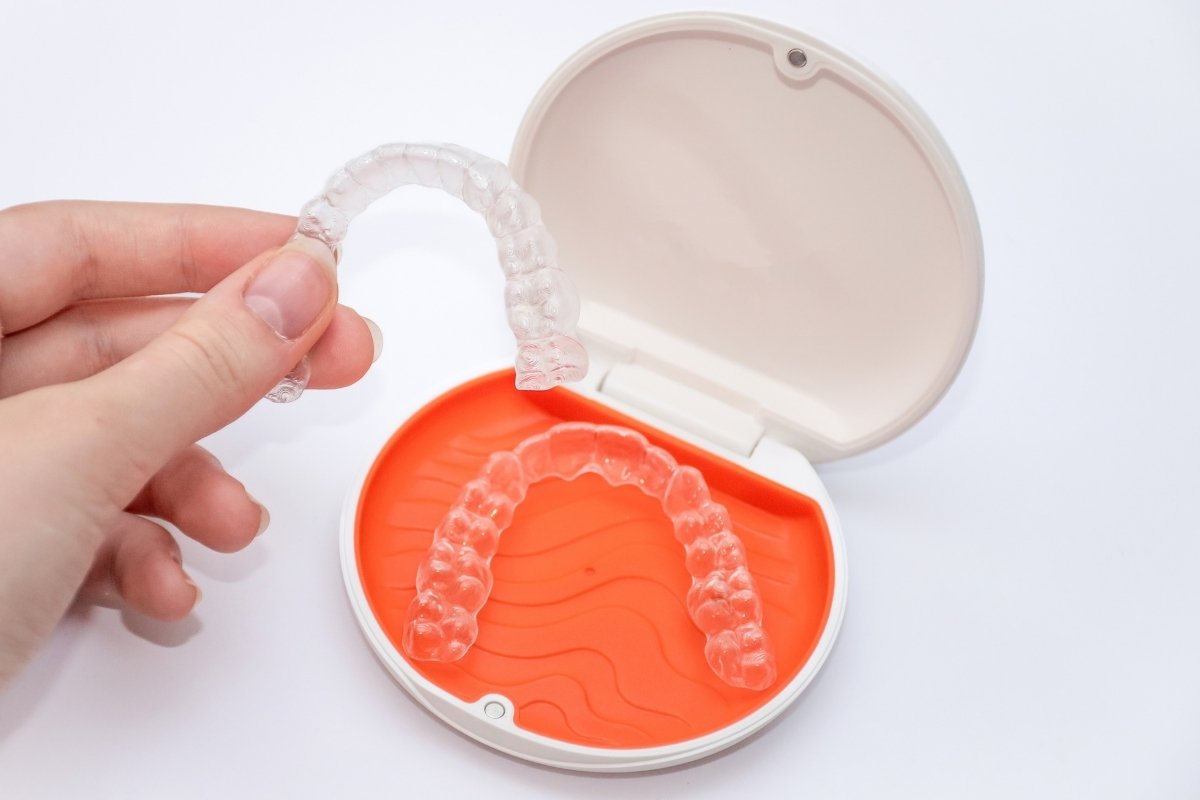
Store aligners properly when not in use
Why Patience Pays Off
Tooth movement is not instant, and that is by design. The gradual nature of aligner therapy protects your oral health while delivering long-lasting results. Patients who follow instructions carefully often see steady improvement without major disruptions to their daily routine.
Ready to See the Change for Yourself?
A confident smile starts with the right plan and the commitment to follow through. If you are considering a modern approach to straightening your teeth, now is a great time to take the next step.
At Toombs Orthodontics, you will receive personalized care designed around your smile goals. Visit our dental office in Prairie Village and experience a comfortable, patient-focused approach to orthodontic care. Schedule your consultation today and take the first step toward a healthier, more confident smile in Prairie Village.
FAQs :
How long does it take to see results?
Most patients notice subtle changes within a few weeks, with more visible improvements over time.
Does it hurt to switch aligners?
You may feel mild pressure, but it usually fades quickly.
Can I remove aligners anytime?
Yes, but they should be worn consistently for the best results.
What happens if I skip wearing them?
Skipping wear time can delay progress and affect final results.
Recent Post

October 13, 2026
Your Braces Just Came Off: What Happens Next
October 6, 2026
Can Orthodontic Treatment Fix an Underbite Without Jaw Surgery?

September 27, 2026
Braces Cutting Your Cheeks? Here Is How to Get Relief
September 20, 2026
What to Eat During Orthodontic Treatment: Soft Foods, Safe Choices, and Recovery Tips

September 13, 2026
Can You Chew Ice With Invisalign?
Categories
Uncategorized (5)