
August 6, 2026
Orthodontist
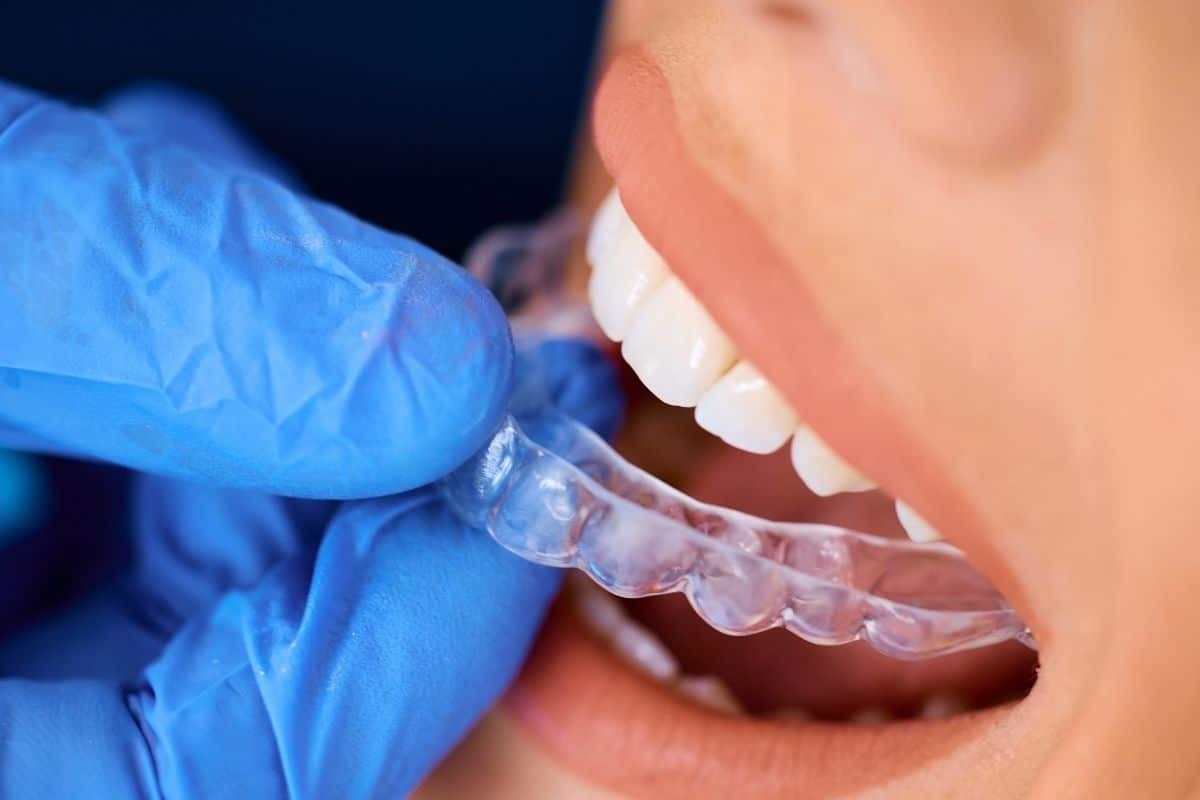
Mild soreness after popping in a new set of trays is expected, but severe, sharp, or lingering pain is not something you should just tolerate. If your mouth aches for a day or two after each switch, that’s your teeth doing exactly what they’re supposed to do. If the discomfort is intense, doesn’t fade, or comes with swelling, a sore that won’t heal, or a tooth that suddenly feels loose, that’s your body telling you to pick up the phone. Knowing where that line sits can save you from weeks of unnecessary discomfort and, in some cases, protect your treatment plan from going off track.
Why Your Mouth Feels Sore in the First Place
Every time you switch to a fresh tray, it’s slightly different from the one before it, nudging your teeth a fraction of a millimeter closer to their final position. That gentle pressure stretches the ligaments holding each tooth in place, and those ligaments respond the way any stretched tissue does: with tenderness. This is simply your mouth adjusting to change, and it’s a sign the treatment is actually working.
Most people notice the ache most strongly on the first day or two after switching trays, especially if they’ve moved up on a schedule their orthodontist set. The feeling is usually described as tightness, pressure, or a dull throb rather than anything stabbing or sudden.
What Normal Discomfort Actually Feels Like
Think of it as a snug, all-over pressure rather than a pinpoint problem. Normal sensations include:
A tight or achy feeling across several teeth at once
Mild tenderness when biting down on firmer foods
A slight lisp or awkwardness with speech for the first day or so
Gums that feel a little sensitive along the edges of the tray
None of these should stop you from going about your day. They typically ease up within 48 to 72 hours as your mouth gets used to the new tray, and they tend to become less noticeable with each subsequent set as your teeth settle into a rhythm.
When It Crosses the Line Into a Problem
Now here’s where things shift. Certain signs point to something that a little patience won’t fix on its own:
Sharp, localized pain on one tooth. General tightness across the arch is normal; a single tooth that throbs or hurts to the touch is not.
Swelling of the gums or cheek. Puffiness, redness, or a warm feeling around a specific spot could point toward infection or irritation that needs a professional look.
A sore or ulcer that won’t heal. Trays can rub against soft tissue, and a small irritation is common. One that keeps growing, bleeding, or hasn’t improved after several days is a different story.
Pain that radiates to your jaw or ear. This can signal jaw joint strain rather than typical tooth movement.
A tray that suddenly won’t seat properly. If a tray feels like it’s fighting your teeth instead of gliding into place, forcing it can cause real damage.
Discomfort that lasts well beyond a week. Adjustment soreness fades. Pain that sticks around or gets worse over time usually means the movement plan needs a second look.
What You Can Try at Home First
Before assuming the worst, a few simple steps often bring real relief for garden-variety soreness:
Rinse with warm salt water to calm irritated gum tissue.
Use orthodontic wax on any spot where the tray edge feels rough.
Switch to a new tray right before bed so the sharpest part of the ache happens while you sleep.
Stick to softer foods for the first day after a switch.
Take an over-the-counter pain reliever if you need it, following the label’s guidance.
If these steps bring your discomfort down to a manageable level within a couple of days, you’re likely dealing with normal adjustment pain. If they don’t touch it, that’s meaningful information too.
When It’s Time to Actually Call
You don’t need to wait until pain becomes unbearable to reach out. A quick call is worth it if you notice any of the warning signs above, if a tray cracks or doesn’t fit the way it should, or if you simply feel like something is off, even if you can’t quite name why. Trusting that instinct matters. Reaching out to an orthodontic specialist for a prompt evaluation can catch a small issue before it turns into a delay in your treatment timeline, and it’s often a far quicker fix than people expect.
Your orthodontic team would rather hear from you and confirm everything is fine than have you push through pain that’s trying to tell you something. Treatment plans are built around your teeth moving safely and predictably, and severe or unusual pain is often the clearest early signal that a plan needs a small adjustment.
Ready for Relief That Actually Lasts?
Tooth movement should feel manageable, not miserable. If something about your aligners feels off, don’t just wait it out and hope it passes on its own. The team at Toombs Orthodontics works with patients throughout Prairie Village to keep every step of treatment comfortable and on schedule. Visit our dental clinic for a check-up, a quick adjustment, or simply some peace of mind about what you’re feeling. Your smile is worth getting it right.
Frequently Asked Questions :
1. How long should Invisalign soreness last after switching trays?
Most people feel the peak of the discomfort within the first 24 to 48 hours, with noticeable improvement by day three. If it’s still intense after that window, it’s worth a call.
2. Is it normal for one specific tooth to hurt more than the others?
Occasional differences in sensitivity happen, but sharp, isolated pain on a single tooth that doesn’t ease up deserves a closer look rather than being brushed off.
3. Can Invisalign trays cause jaw pain?
Some patients feel mild jaw fatigue as their bite adjusts, but pain that radiates toward the ear or makes chewing difficult isn’t typical and should be checked.
4. Should I keep wearing my trays if I’m in pain?
Stick with your regular wear schedule for mild, expected soreness. If pain is severe, if a tray won’t seat correctly, or if you notice swelling or an unhealed sore, stop and call your provider before continuing.
5. Is it okay to skip a tray if the pain is too much?
Skipping isn’t usually the answer since it can throw off your timeline. Calling your provider is a better move so they can figure out what’s actually going on.
Recent Post

October 13, 2026
Your Braces Just Came Off: What Happens Next
October 6, 2026
Can Orthodontic Treatment Fix an Underbite Without Jaw Surgery?

September 27, 2026
Braces Cutting Your Cheeks? Here Is How to Get Relief
September 20, 2026
What to Eat During Orthodontic Treatment: Soft Foods, Safe Choices, and Recovery Tips

September 13, 2026
Can You Chew Ice With Invisalign?
Categories
Orthodontist (74)