
August 27, 2026
Orthodontist
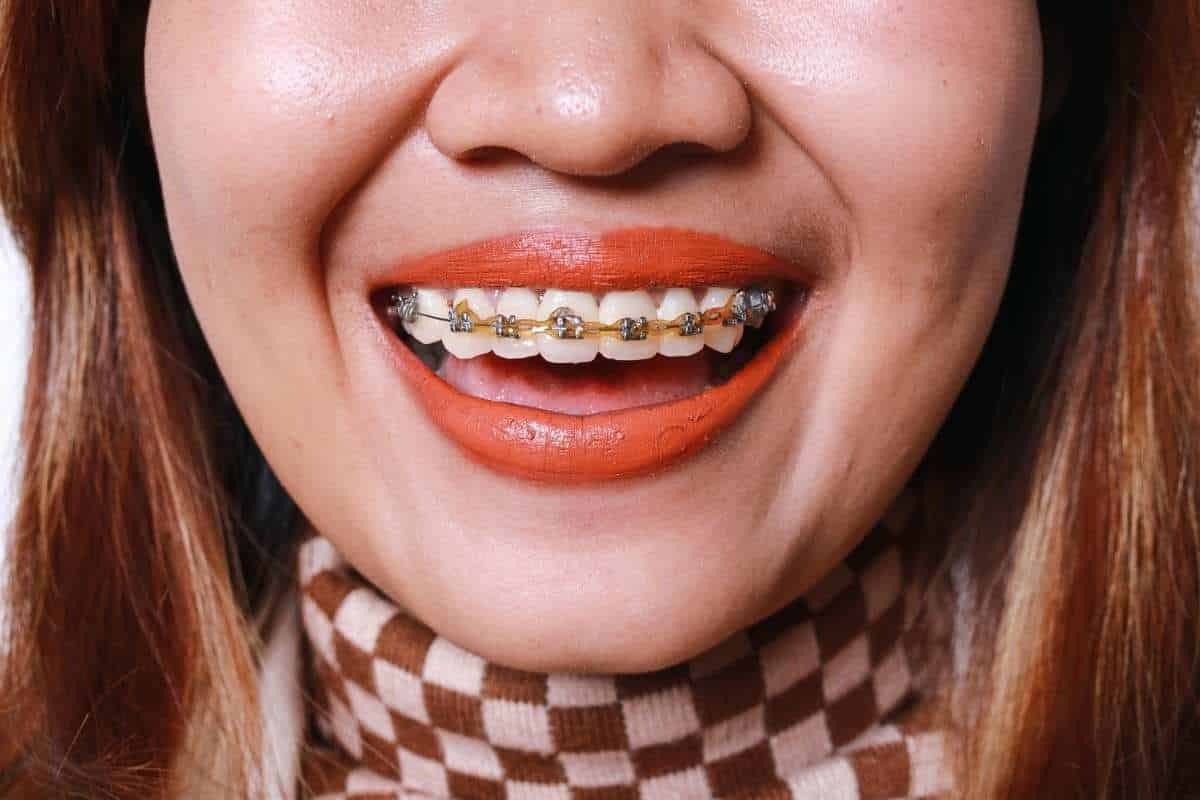
Yes, you can often get braces even if you have gum disease, but the treatment usually needs to happen in a specific order. Active gum disease has to be treated and brought under control before braces go on, because moving teeth through inflamed or infected gum tissue can make the condition worse and put your long-term oral health at risk. If your gum disease is mild and well managed, your orthodontic team may be able to move forward sooner than you’d expect.
This is a question we hear often from patients here in Lenexa who are finally ready to start thinking seriously about straightening their teeth. Gum disease is far more common in grown-ups than most people realize, and it shouldn’t stop you from finally getting the smile you want. It just means there’s an extra step or two before the brackets and wires come into the picture.
Why Gum Health Matters Before You Start Orthodontic Treatment
Braces work by applying gentle, consistent pressure to shift teeth into better positions over time. That process depends on healthy bone and gum tissue supporting each tooth. When gums are inflamed, swollen, or pulling away from the teeth, the foundation holding those teeth in place is already compromised.
Adding orthodontic pressure on top of that weakened foundation can speed up bone loss, cause teeth to loosen, and in more serious cases lead to tooth loss. That’s the main reason dental professionals want gum disease addressed first. It’s not about delaying your treatment for no reason; it’s about protecting the results you’re working toward.
Mild Gum Disease vs. Advanced Gum Disease
Not all gum disease looks the same, and the stage you’re at changes what your treatment plan will look like.
Gingivitis is the early, mild form. Your gums might look red, feel puffy, or bleed a little when you brush or floss. The good news is gingivitis is reversible with better home care and a professional cleaning. Once your gums calm down and heal, many patients can begin orthodontic treatment on schedule.
Periodontitis is the more advanced stage, where the infection has started to damage the bone and connective tissue that anchor your teeth. This stage takes longer to manage and often requires deeper cleanings, sometimes called scaling and root planing, along with ongoing monitoring. Braces are usually paused until the gum disease is stable and under control, which your dentist or periodontist will confirm before orthodontic work begins.
What the Treatment Process Usually Looks Like
If you show up for a consultation with signs of gum disease, here’s a realistic idea of how things tend to unfold.
First, your dental team evaluates the severity of the condition, often with a periodontal exam and dental imaging to check bone levels around each tooth. From there, a treatment plan is built to bring the infection under control, which might involve a professional cleaning, a deep cleaning, or a referral to a periodontist for more advanced care.
Once your gums are healthy and stable, your care team reassesses and decides when it’s safe to start orthodontic treatment. Some patients move through this process in a matter of weeks, while others with more advanced gum disease may need several months of care before braces are recommended. During this entire process, staying in close contact with a qualified orthodontist helps make sure your teeth and gums are ready for the next step and that nothing gets rushed.
Can Braces Actually Help Your Gum Health?
Here’s something that surprises a lot of patients: straighter teeth can actually make it easier to manage gum disease going forward. Crowded or overlapping teeth create tight spaces where plaque and bacteria love to hide, and those spots are notoriously hard to clean with a toothbrush or floss. Once teeth are properly aligned, brushing and flossing become more effective, which lowers the risk of gum disease coming back.
So while gum disease needs to be treated before braces start, orthodontic treatment can become part of a longer-term plan for keeping your gums healthy once the active infection is resolved.
Tips for Protecting Your Gums During Orthodontic Treatment
Wearing braces adds a few extra nooks and crannies for plaque to collect, so gum care becomes even more important once your treatment begins.
Brush after every meal, or at least twice a day, using a soft-bristled brush angled toward the gumline. Floss daily with orthodontic floss threaders or a water flosser to reach under the wires. Keep up with regular dental cleanings so plaque buildup gets caught early. Watch for bleeding, swelling, or tenderness and mention it to your dental team right away. And don’t skip checkups, since your provider can catch early gum changes before they turn into bigger problems.
Ready for a Straighter, Healthier Smile?
Gum disease doesn’t have to be the end of your smile goals; it just means starting with the right first step. Our team takes the time to evaluate your gum health, build a plan that protects your teeth and gums, and guide you through orthodontic treatment once you’re ready. If you’re in Lenexa and wondering whether braces are still an option for you, come see us in person. Visit our dental clinic, Toombs Orthodontics in Lenexa, and let’s map out a plan that works for your smile and your timeline.
Frequently Asked Questions :
1. Is it safe to get braces if I already have gum disease?
It depends on the severity. Mild gingivitis can often be treated quickly, allowing braces to move forward soon after. More advanced periodontitis usually needs to be stabilized first through deeper treatment before orthodontic care begins.
2. Will braces make my gum disease worse?
If gum disease is active and untreated, adding orthodontic pressure can worsen it. That’s why treating the gums first is such an important part of the process.
3. How long does gum disease treatment take before I can start braces?
Timelines vary. Mild cases may only need a few weeks of improved care and a cleaning, while more advanced cases can take several months of monitoring and treatment.
4. Can adults with a history of gum disease still get braces later in life?
Absolutely. Many adults with a history of gum issues go on to get braces or clear aligners successfully once their gums are stable and their dental team gives the green light.
5. What happens if gum disease isn’t treated before starting orthodontic treatment?
Skipping treatment can lead to faster bone loss, loose teeth, and in difficult situations, tooth loss. It’s a risk that’s simply not worth taking.
Recent Post

October 13, 2026
Your Braces Just Came Off: What Happens Next
October 6, 2026
Can Orthodontic Treatment Fix an Underbite Without Jaw Surgery?

September 27, 2026
Braces Cutting Your Cheeks? Here Is How to Get Relief
September 20, 2026
What to Eat During Orthodontic Treatment: Soft Foods, Safe Choices, and Recovery Tips

September 13, 2026
Can You Chew Ice With Invisalign?
Categories
Orthodontist (74)