
August 20, 2026
Orthodontist
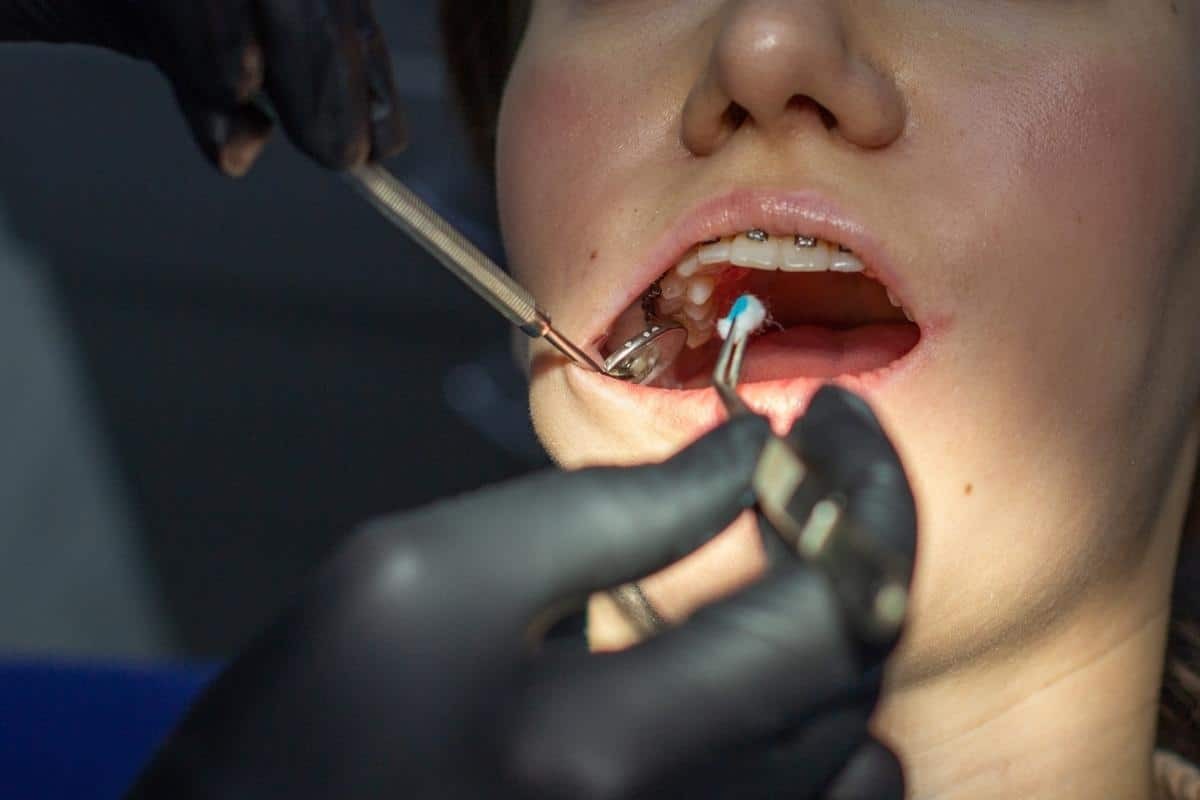
A damaged wire can feel alarming, but most braces wire problems are not dental emergencies. A loose or broken wire usually needs attention from your orthodontist, but you often do not need to rush to an emergency room. The situation becomes more urgent when the wire causes significant bleeding, severe pain, swelling, trouble breathing or swallowing, or another serious injury. Knowing what to do in the meantime can help protect your mouth and keep your treatment on track.
What Should You Do If Your Braces Wire Breaks?
First, stay calm and avoid pulling or cutting the wire unless your orthodontist specifically tells you to do so. Check where the wire has moved and whether it is poking your cheek, lip, tongue, or gums.
If the wire feels sharp, you can place orthodontic wax over the irritating area. This creates a temporary barrier between the wire and the soft tissues inside your mouth.
You should also contact your orthodontic office and explain what happened. Your orthodontist can tell you whether you need an appointment right away or whether you can wait until your next scheduled visit.
When Is a Broken Wire an Emergency?
Most wire problems are uncomfortable rather than dangerous. However, some situations require prompt professional attention.
Severe pain
Mild soreness can happen when braces move your teeth, but intense or worsening pain deserves attention. Contact your orthodontist if the discomfort becomes difficult to manage or does not improve.
Significant bleeding
A wire that scratches the inside of your mouth may cause a small amount of irritation or bleeding. Persistent or heavy bleeding is different. If pressure does not stop the bleeding, seek urgent medical attention.
Facial swelling
Swelling around the mouth, face, or jaw can indicate a problem that needs prompt evaluation, especially when it occurs with fever, severe pain, or other symptoms.
Trouble breathing or swallowing
Difficulty breathing or swallowing requires immediate medical attention. Do not wait for your orthodontic appointment if these symptoms occur.
A serious mouth injury
If your braces become damaged after an accident or another significant impact, contact your orthodontist promptly. You may need an examination to check both the braces and your teeth.
What Causes a Braces Wire to Break?
Braces wires can become damaged for several reasons. Sometimes normal pressure from eating or chewing contributes to the problem. Certain foods can also bend or dislodge orthodontic components.
Common causes include:
- Eating hard foods such as ice or hard candy
- Biting into foods that require excessive force
- Chewing on pens, pencils, or other objects
- Playing contact sports without proper mouth protection
- Accidentally damaging a bracket while eating
- Normal wear during orthodontic treatment
Your orthodontic team may recommend specific foods and habits to avoid based on your braces and treatment plan.
Can You Fix the Wire Yourself?
It is best not to try complicated repairs at home. Pulling, twisting, or cutting the wire can make the problem worse or create a sharp piece that may injure your mouth.
If the wire has shifted but remains attached, leave it alone and cover the irritating section with orthodontic wax. If a bracket has come loose, avoid repeatedly touching it with your fingers or tongue.
Your orthodontist can determine whether the wire needs to be replaced, repositioned, or left alone until your next appointment.
What If the Wire Is Poking Your Cheek?
A poking wire is one of the more common braces problems. It can rub against the inside of your cheek and create a sore spot.
Try these steps:
- Wash your hands before touching your braces.
- Look at the area in a mirror.
- Place orthodontic wax over the sharp section.
- Eat softer foods if chewing makes the area uncomfortable.
- Contact your orthodontic office for guidance.
Do not repeatedly push the wire with your tongue. This can further irritate the tissue and may move the wire out of position.
Can You Still Eat With a Damaged Wire?
You may be able to eat, but choose foods that are soft and easy to chew until you receive instructions from your orthodontist.
Good temporary choices include yogurt, scrambled eggs, oatmeal, pasta, mashed potatoes, smoothies, and soft cooked vegetables.
Avoid hard, sticky, or crunchy foods that could put additional pressure on the damaged area. Cutting food into smaller pieces can also make eating easier.
What Happens If You Ignore a Broken Wire?
A minor wire problem may not cause serious harm, but ignoring it can make daily activities uncomfortable and may interfere with your orthodontic treatment.
A loose wire can rub against your cheeks or gums. A damaged component can also affect how your braces apply pressure to your teeth. In some cases, waiting too long can turn a simple repair into a more complicated problem.
That does not mean every loose wire requires an immediate appointment. The important step is to let your orthodontic team know what happened so they can recommend the appropriate next step.
How Can You Prevent Wire Problems?
You cannot prevent every orthodontic problem, but a few habits can reduce the risk of damaging your braces.
Follow your food guidelines
Your orthodontist may ask you to avoid certain hard or sticky foods during treatment. Following those recommendations can help protect your brackets and wires.
Do not chew on objects
Pens, pencils, fingernails, and other objects can place unnecessary pressure on braces.
Wear a mouthguard for sports
If you participate in sports where your mouth could receive an impact, ask your orthodontist about an appropriate mouthguard.
Keep your braces clean
Good oral hygiene helps keep your teeth and gums healthy throughout treatment. Brush carefully around brackets and use any cleaning tools recommended by your orthodontic team.
Attend your scheduled appointments
Regular orthodontic visits allow your provider to monitor your progress and identify problems before they become more disruptive.
When Should You Call Your Orthodontist?
You should contact your orthodontist if a wire becomes loose, bent, displaced, or uncomfortable. Even when the problem is not an emergency, your orthodontic team should know about it.
Call promptly if the wire is causing repeated irritation, your bracket has come loose, the discomfort is increasing, or you cannot eat comfortably.
Seek immediate medical attention for serious symptoms such as difficulty breathing, difficulty swallowing, uncontrolled bleeding, major facial swelling, or a significant injury.
If you are unsure how serious the problem is, calling your orthodontic office is usually the safest choice. Your orthodontic team can help you decide whether you need to come in sooner.
Need Help With Your Braces?
A damaged wire can be uncomfortable, but knowing when to call for help can make the situation much easier to handle. If you notice a loose or irritating wire, do not ignore it or attempt a complicated repair yourself.
If you are looking for orthodontic care in Lenexa, Toombs Orthodontics can help you understand what to do next and whether your braces need attention.
Visit our dental clinic. Contact Toombs Orthodontics to schedule an orthodontic evaluation in Lenexa and get your treatment back on track.
Frequently Asked Questions :
1. Is a broken braces wire an emergency?
Usually, no. Most wire problems are orthodontic issues rather than medical emergencies. However, severe pain, significant bleeding, facial swelling, trouble breathing or swallowing, or a serious injury requires prompt attention.
2. Can I put wax on a broken braces wire?
Yes. Orthodontic wax can help cover a sharp or irritating wire temporarily. It does not repair the wire, so you should still contact your orthodontist for guidance.
3. Should I cut a loose braces wire?
Do not cut the wire unless your orthodontist specifically instructs you to do so. Cutting it incorrectly could leave a sharp piece inside your mouth or make the problem worse.
4. Can a broken wire delay my braces treatment?
It can, particularly if the problem remains untreated and affects how your braces move your teeth. Contacting your orthodontist promptly can help prevent unnecessary interruptions to treatment.
5. What should I eat until my wire is repaired?
Choose softer foods that require less chewing, such as yogurt, eggs, oatmeal, pasta, rice, mashed potatoes, and cooked vegetables. Avoid hard, crunchy, and sticky foods until you receive further instructions.
Recent Post

October 13, 2026
Your Braces Just Came Off: What Happens Next
October 6, 2026
Can Orthodontic Treatment Fix an Underbite Without Jaw Surgery?

September 27, 2026
Braces Cutting Your Cheeks? Here Is How to Get Relief
September 20, 2026
What to Eat During Orthodontic Treatment: Soft Foods, Safe Choices, and Recovery Tips
September 13, 2026
Can You Chew Ice With Invisalign?
Categories
Orthodontist (74)