
November 21, 2025
Invisalign
Thinking about Invisalign but worried you might react to the aligners? You’re not alone. Many patients are curious whether clear aligners can cause irritation, sensitivity, or an allergic reaction. The reassuring news is that allergic reactions from Invisalign are extremely rare, but mild sensitivity can happen as your mouth adjusts.
This guide explains the signs, possible causes, and what to do if anything feels unusual during treatment.
What Invisalign Is Made Of and Why Reactions Are Uncommon
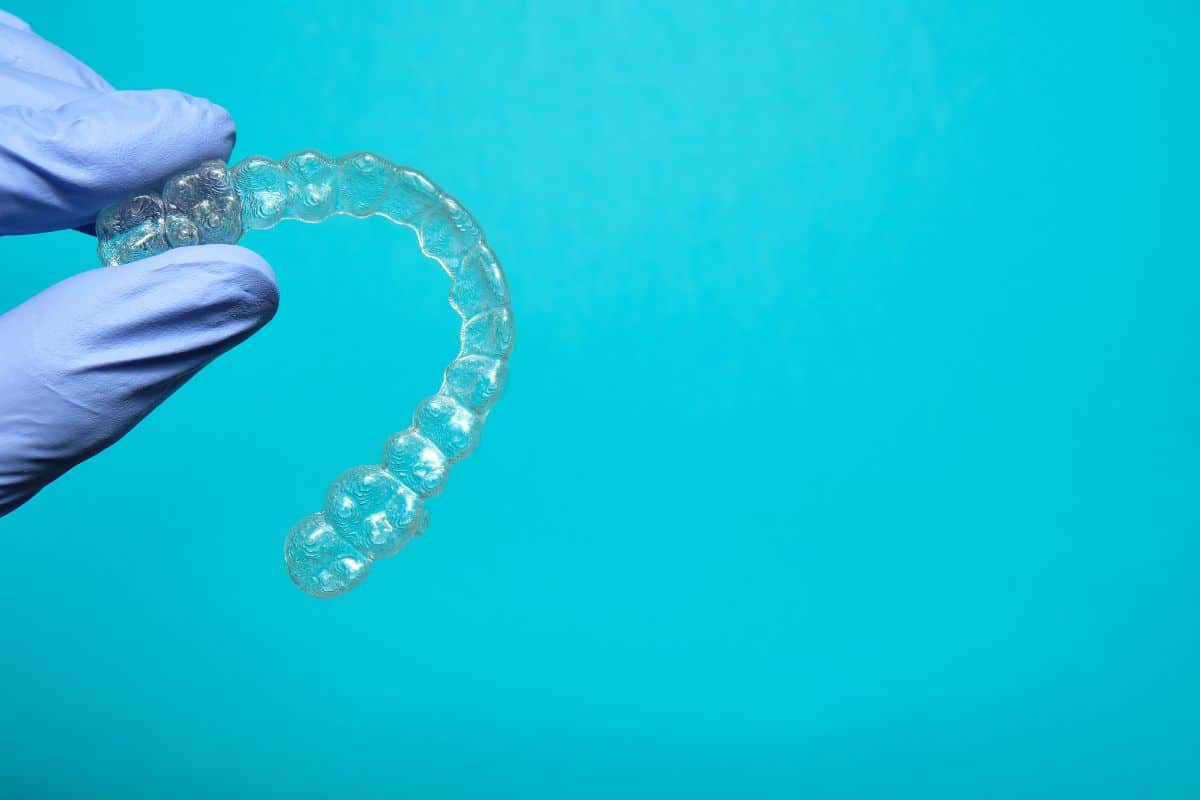
Invisalign trays are crafted from a medical-grade, BPA-free SmartTrack™ thermoplastic. This material is engineered specifically for orthodontic use and undergoes strict biocompatibility testing. Because of this, reactions to the material itself are very uncommon.
Why most people never experience reactions:
- No BPA, latex, or common allergens
- Smooth edges designed to reduce friction
- Tested for long-term oral use
- Minimal chemical release, even during extended wear
Most patients report only mild discomfort from tooth movement, not a reaction to the aligner material.
Signs You May Be Having a Reaction to Invisalign
While major reactions are rare, some people may feel irritation when they start wearing their first set of trays or switch to new ones.
Common, mild symptoms may include:
- Dry mouth
- Slight gum irritation
- Temporary burning sensation
- Sensitivity along the cheeks or tongue
- Mild pressure discomfort
These symptoms typically relate to tooth movement rather than a reaction to the aligner material.
More concerning—but very rare—symptoms may include:
- Swelling of lips, tongue, or gums
- Red patches or small rashes around the mouth
- Tingling or burning that does not improve
- Trouble swallowing
- Persistent headaches only when trays are worn
If anything severe occurs, remove the aligners and contact your orthodontist.
Why These Reactions Happen: The Real Sources of Sensitivity
When people think they’re experiencing an allergy from Invisalign, it can actually be caused by something else. Here are the most common causes:
‣ Pressure Sensitivity From Tooth Movement
As teeth begin shifting, the gums and ligaments respond. This normal pressure can mimic irritation or tenderness.
‣ Reaction to Cleaning Products
Using harsh or scented cleaners can leave residue on the trays that irritates the gums or tongue.
Avoid using:
- Hot water
- Whitening toothpaste
- Alcohol-based cleaners
- Strong or scented soaps
‣ Pre-existing Skin or Sensitivity Conditions
People with eczema, dermatitis, or chemical sensitivities may react more easily to new materials—even safe ones.
‣ Irritation From Bacteria
If aligners are not cleaned regularly, bacteria or plaque buildup can irritate soft tissues. This is mistaken for an allergic reaction but is simply inflammation.
‣ Rare Sensitivity to the Material
A small number of individuals may react to minor components in the SmartTrack™ plastic, but this is extremely uncommon.
What To Do If You Suspect a Reaction From Invisalign
If you notice irritation, here are practical steps to determine whether you’re dealing with sensitivity or a true reaction.
‣ Clean Your Aligners Correctly
Stick to approved cleaning methods such as:
- Invisalign cleaning crystals
- Gentle, unscented antibacterial soap
- Cool or lukewarm water
Avoid abrasive products and hot water, which can warp the trays.
‣ Remove the Aligners Temporarily
If irritation is mild, take the trays out for a few minutes to let your mouth calm down. Most symptoms improve quickly.
‣ Rinse With Warm Salt Water
This helps soothe irritated tissue and reduce inflammation.
‣ Stay Hydrated
Dry mouth enhances irritation. Drinking more water throughout the day can help.
‣ Contact your orthodontist
If symptoms continue, your orthodontist may:
- Provide a new set of trays
- Evaluate for pressure-related irritation
- Recommend adjustments to cleaning routines
- Determine whether it’s a rare reaction to the plastic material
In most cases, symptoms resolve within a few days.
Tips to Prevent Sensitivity or Reactions During Treatment
A few simple habits can significantly reduce your chances of irritation:
- Clean aligners twice a day.
- Rinse aligners every time you remove them.
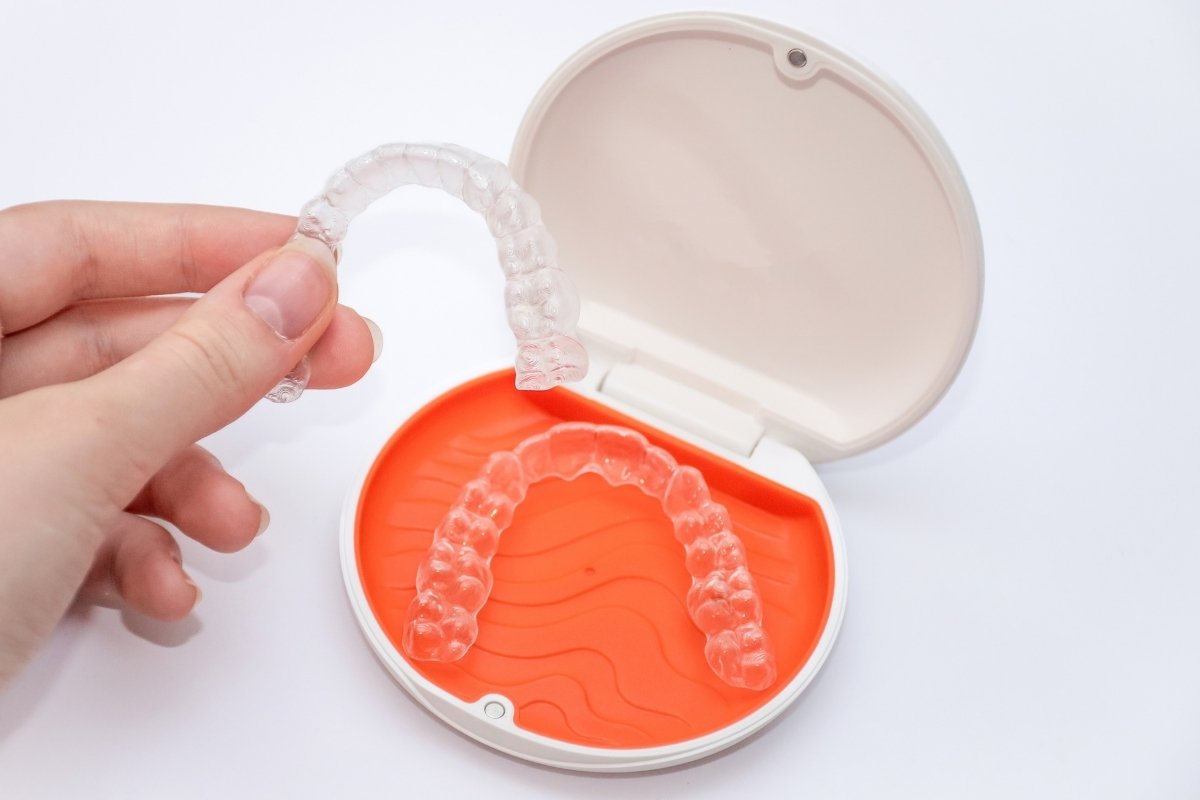
- Store trays in their case to prevent bacterial buildup.
- Drink only water while wearing aligners.
- Maintain strong daily oral hygiene.
- Avoid harsh cleaning chemicals.
- Follow your orthodontist’s wear schedule closely.
Most patients starting invisalign treatment find that these habits keep their experience smooth and comfortable.
FAQs About Allergic Reactions and Invisalign
Can Invisalign cause a plastic taste?
Some patients notice a mild plastic taste for the first few days. It usually disappears quickly.
Are Invisalign trays hypoallergenic?
Yes. The SmartTrack™ material is BPA-free, latex-free, and biocompatible.
Can cleaning crystals cause irritation?
Yes, some people may be sensitive to the cleaning solution rather than the trays. Switching products often solves it.
How long does Invisalign sensitivity last?
Most adjustments last 1–3 days when switching to a new aligner set.
Is it possible to be allergic to Invisalign material?
It’s extremely rare, but slight sensitivity is possible. Your orthodontist can confirm whether symptoms are due to the trays or pressure.
Can Invisalign cause mouth sores?
Occasionally, rough edges or friction can create small sores. Dental wax or a quick aligner smoothing fixes the issue.
Should I stop treatment if I feel irritation?
Don’t stop permanently without speaking to your orthodontist. Most issues are temporary and simple to fix.
What a Healthy Invisalign Experience Should Feel Like
Invisalign is designed to be safe, gentle, and suitable for long-term wear. While it’s normal to feel pressure during each new aligner set, you shouldn’t experience ongoing irritation, burning, swelling, or rashes. If anything feels off, your orthodontist can quickly help you identify the cause and adjust your routine.
Clear aligners should make you feel confident—not uncomfortable. With proper care and professional oversight, most people complete Invisalign treatment with zero complications and great results.
Recent Post

October 13, 2026
Your Braces Just Came Off: What Happens Next
October 6, 2026
Can Orthodontic Treatment Fix an Underbite Without Jaw Surgery?

September 27, 2026
Braces Cutting Your Cheeks? Here Is How to Get Relief
September 20, 2026
What to Eat During Orthodontic Treatment: Soft Foods, Safe Choices, and Recovery Tips

September 13, 2026
Can You Chew Ice With Invisalign?
Categories
Invisalign (56)