
August 13, 2026
Orthodontist
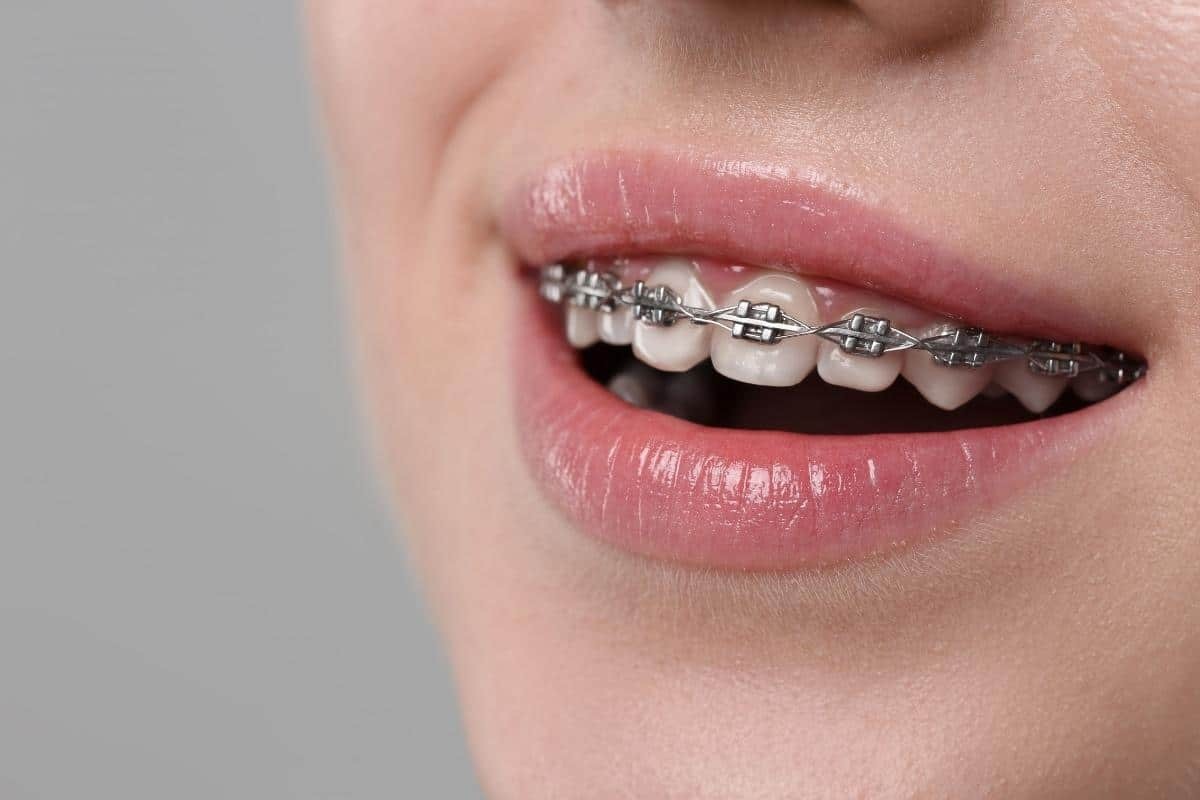
If chewing feels like a chore since you got your braces on, the fix usually comes down to three things: adjusting what and how you eat for the first few days, giving your teeth time to settle after each tightening, and knowing when tenderness is normal versus when it’s a sign something needs attention. Most patients find real relief within a week just by changing a few daily habits, and we’ll walk through exactly which ones matter.
Why Chewing Suddenly Feels Different
Braces move teeth, and moving teeth takes pressure. That pressure is doing its job, but it also makes the roots and surrounding gum tissue sensitive for a few days after any adjustment. Add in brackets and wires that your cheeks, tongue, and lips aren’t used to yet, and it makes sense that biting into a sandwich suddenly feels like a project.
This discomfort tends to peak within the first two or three days after braces go on or get tightened, then fade on its own. It’s your mouth adjusting, not a sign that something has gone wrong.
What You Can Do Right Away
Rethink Your Food Choices Temporarily
You don’t need to live on soup forever, but the first several days call for softer meals. Think scrambled eggs, mashed potatoes, yogurt, oatmeal, soft pasta, and well-cooked vegetables. Cut sandwiches, wraps, and fruit into smaller pieces so your back teeth aren’t forced to do all the work.
Steer clear of anything hard, sticky, or chewy for now. Nuts, popcorn, caramel, bagels, and raw carrots put extra strain on brackets and wires exactly when your teeth are least ready for it.
Chew Slowly and Evenly
Rushing through meals puts uneven pressure on certain teeth and can make soreness worse. Take smaller bites, chew slowly, and try to distribute the work across both sides of your mouth instead of favoring one side.
Use Cold to Your Advantage
Cold foods and drinks numb sore gums naturally. A cold smoothie, ice water, or chilled yogurt can take the edge off discomfort while you eat, especially in the first two days after an adjustment.
Rinse With Warm Salt Water
Warm salt water rinses reduce inflammation in the gum tissue and soothe any irritation from brackets rubbing against your cheeks. Dissolve about half a teaspoon of salt in warm water and rinse gently a few times a day.
Try Orthodontic Wax on Irritated Spots
If a bracket or wire is rubbing against the inside of your cheek or lip, a small piece of orthodontic wax placed over that spot creates a smooth barrier. This won’t help with general soreness from chewing, but it makes a real difference for physical irritation.
Over-the-Counter Pain Relief, When Needed
For the first day or two after tightening, a standard over-the-counter pain reliever can take the edge off. Follow the dosage instructions on the label, and if you’re unsure what’s right for you, ask your orthodontist or pharmacist.
When Discomfort Points to Something More
Mild soreness for a few days is expected. A few signs mean it’s worth reaching out to your orthodontic team instead of waiting it out.
1. Sharp or stabbing pain that doesn’t ease up after several days
2. A bracket that has come loose or a wire poking out and cutting into your cheek
3. Swelling, redness, or a bad taste that suggests infection
4. Pain so severe it’s stopping you from eating anything at all
None of these are things to push through on your own. A quick check-in visit usually resolves the issue fast and keeps your treatment on track.
Small Habits That Make the Whole Process Easier
Beyond mealtime adjustments, a few daily habits go a long way over the course of treatment.
1. Keep a small orthodontic kit with wax, a travel toothbrush, and floss threaders in your bag or car
2. Stay ahead of soreness by rinsing and icing right after appointments rather than waiting for pain to build
3. Stick to your orthodontist’s food guidelines even after the initial soreness fades, since hard and sticky foods stay risky for wires and brackets the whole time you’re in treatment
4. Keep up with regular brushing and flossing around brackets so irritated gums don’t get worse from plaque buildu
Chewing discomfort with braces is almost always temporary, and it tends to show up in predictable waves after each adjustment rather than sticking around for the whole treatment. Once you know what to expect and how to manage it, most patients stop thinking about it entirely within a week or two.
Ready for a Comfortable, Confident Smile?
You don’t have to figure this out on your own. If chewing still feels off after trying these tips, or if something feels genuinely wrong with your braces, our team is here to help you get back to eating without a second thought. Visit our dental clinic in Prairie Village and let us take a look, adjust what needs adjusting, and get you back on track. Reach out to Toombs Orthodontics today, and let’s make the rest of your treatment as smooth as your future smile.
Frequently Asked Questions :
1. How long does chewing discomfort last after getting braces?
Most patients notice the biggest adjustment period in the first three to five days. After that, chewing becomes far more comfortable, though you may feel mild tenderness again for a day or two following each tightening appointment.
2. Is it normal to feel pain only when I bite down, not all the time?
Yes, this is common. Pressure from chewing activates the same nerves involved in tooth movement, so biting can feel more sensitive than resting your jaw. Soft foods and slower chewing usually solve this quickly.
3. Can I skip meals if chewing hurts too much?
It’s better not to. Skipping meals can leave you low on energy and doesn’t actually speed up the adjustment period. Switching to soft, nutrient-dense foods keeps you fueled while your mouth adjusts.
4. Should I call my orthodontist every time I feel sore after an adjustment?
Not for general soreness, since that’s a normal part of treatment. Do call if you notice a loose bracket, a poking wire, swelling, or pain that isn’t improving after several days.
5.Will chewing discomfort come back throughout my treatment, or is it just at the start?
It can return briefly after each adjustment appointment, since your orthodontist is applying new pressure to keep teeth moving. The good news is that each round of soreness tends to be shorter and milder than the last as your mouth gets more used to the process.
Recent Post

October 13, 2026
Your Braces Just Came Off: What Happens Next
October 6, 2026
Can Orthodontic Treatment Fix an Underbite Without Jaw Surgery?
September 27, 2026
Braces Cutting Your Cheeks? Here Is How to Get Relief
September 20, 2026
What to Eat During Orthodontic Treatment: Soft Foods, Safe Choices, and Recovery Tips
September 13, 2026
Can You Chew Ice With Invisalign?
Categories
Orthodontist (74)