
September 6, 2026
Orthodontist
Braces and clear aligners both create extra hiding spots for food and plaque, so the short answer is this: brush after every meal, floss once a day using a flosser or interdental brush, rinse with an antimicrobial mouthwash, and keep every dental visit on schedule. That combination is what actually prevents the white spots, gum swelling, and cavities that show up when orthodontic patients skip steps. The rest of this guide breaks down exactly how to do each part correctly, plus what to avoid along the way.
Why Cleaning Your Teeth Gets Harder With Braces or Aligners
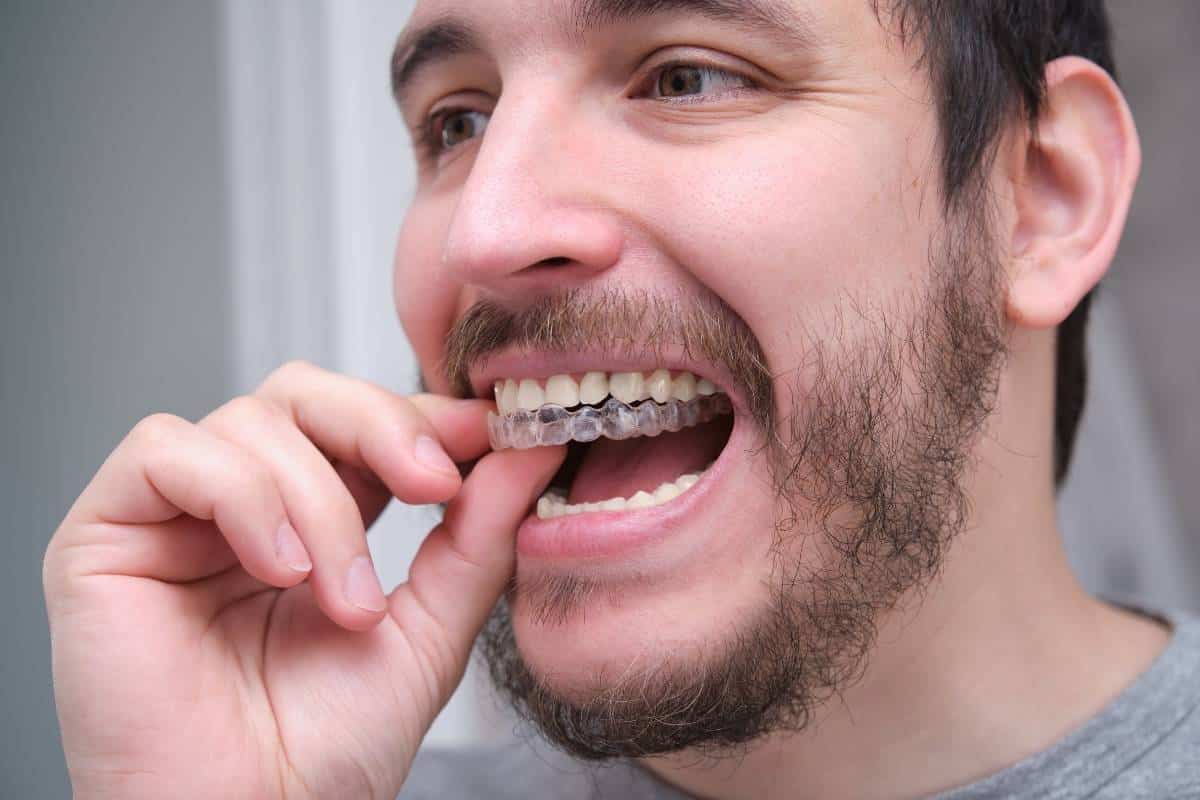
Metal brackets, wires, and even clear trays give plaque a lot more surface area to cling to. With traditional braces, food particles get trapped around the brackets and under the wire, and a regular toothbrush often can’t reach those spots. With aligners, the issue is different but just as real: the trays sit against your teeth for 20 to 22 hours a day, and if plaque or sugar gets trapped underneath, your teeth are essentially marinating in it.
This is why dentists see more decalcification (those white, chalky spots), gum inflammation, and early cavities in patients mid-treatment compared to patients without any appliance at all. None of this is inevitable. It just means your daily routine needs to work a little harder than it used to.
The Right Brushing Technique for Braces and Clear Aligners
Brushing twice a day isn’t enough once you have an appliance in your mouth. Aim to brush after every meal and snack, or at minimum swish with water immediately if you can’t brush right away.
For braces:
Angle the brush at 45 degrees toward the gumline, then angle it downward on top of each bracket and upward from below it.
Spend extra time on the wire itself, since food loves to wedge underneath it.
A soft-bristled or electric toothbrush works better than a hard-bristled manual one, since hard bristles can bend wires over time.
For aligners:
Always brush and floss before putting your trays back in. Anything left on your teeth gets sealed against enamel for hours.
Rinse the trays themselves with lukewarm water every time you take them out. Hot water can warp the plastic.
Avoid eating or drinking anything except plain water while wearing the trays.
A two-minute brushing session, done properly, matters more than a five-minute rushed one.
Flossing Tools That Actually Work With Orthodontic Appliances
Standard floss and a wire in the way don’t mix well, which is why most people give up on flossing during treatment. Here’s what actually works instead.
Floss threaders let you guide regular floss underneath the archwire so you can still clean between each tooth. Orthodontic floss picks, which come with a stiffened end built for this exact purpose, are faster once you get the hang of them. Interdental brushes, those small bristled picks shaped like tiny bottle brushes, are excellent for clearing debris from around brackets and between wider gaps.
For aligner wearers, flossing is more straightforward since there’s no wire in the way, but it still needs to happen daily, ideally at night before the last tray goes in.
Building Out the Rest of Your Routine
A few extra tools make a noticeable difference without adding much time to your day.
A water flosser uses a pressurized stream to flush out particles that brushing and string floss miss, and many orthodontic patients find it easier to stick with than threading floss under wires every single day. An antimicrobial or fluoride mouthwash helps reduce the bacteria that cause both cavities and bad breath, and it can reach areas your toothbrush physically cannot. If you’re prone to sensitivity or decay, ask your provider about a prescription-strength fluoride toothpaste, which offers more protection than what you’d find on a regular store shelf.
Foods and Habits to Avoid During Treatment
Some foods aren’t just messy with braces; they can actually damage the appliance or feed the exact bacteria you’re trying to avoid.
Skip or limit these:
- Sticky candy, caramel, and gum, which pull at brackets and wires
- Hard foods like ice, nuts, and popcorn kernels, which can snap a bracket or bend a wire
- Sugary sodas and juices, especially if they’re sipped slowly over time rather than finished quickly
- Crunchy raw vegetables and hard fruits eaten whole. Cut them into smaller pieces instead of biting directly into them
For aligner wearers, the rule is simpler: remove your trays before eating or drinking anything besides water, no matter how small the snack is.
How Often You Should See Your Dentist and Orthodontist During Treatment
Home care handles most of the work, but it can’t replace professional cleanings. Plaque that hardens into tartar can only be removed with proper dental tools, and tartar buildup around brackets is one of the leading causes of gum disease in orthodontic patients.
Most providers recommend a professional cleaning every three to six months during active treatment, in addition to your regular orthodontic adjustment appointments. If you notice bleeding gums, persistent bad breath, or a loose bracket, don’t wait for your next scheduled visit. Call and get it looked at.
Signs Your Cleaning Routine Isn’t Working
A few warning signs tell you it’s time to adjust your habits before a small problem becomes a bigger one. Gums that bleed when you brush or floss, a white or dull discoloration around the base of your teeth, and persistent bad breath even after brushing are the three most common red flags. None of these are permanent damage if caught early, but ignoring them for months can lead to visible scarring on the enamel or gum recession that doesn’t fully reverse.
Ready for a Smile That Stays Healthy From Day One to Day Done?
Good habits get you most of the way there, but a trained eye catches what a mirror can’t. Whether you’re starting treatment soon or already partway through, Toombs Orthodontics in Lenexa is ready to help you stay on track with a plan built around your specific braces or aligners. Visit our dental clinic, ask us anything about your routine, and let’s make sure your treatment ends with a smile you’re excited to show off.
Recent Post

October 13, 2026
Your Braces Just Came Off: What Happens Next
October 6, 2026
Can Orthodontic Treatment Fix an Underbite Without Jaw Surgery?
September 27, 2026
Braces Cutting Your Cheeks? Here Is How to Get Relief
September 20, 2026
What to Eat During Orthodontic Treatment: Soft Foods, Safe Choices, and Recovery Tips

September 13, 2026
Can You Chew Ice With Invisalign?
Categories
Orthodontist (74)