May 26, 2025
Dental Braces
When you think about getting braces, your focus is probably on achieving that perfect, straight smile. But a common concern some people have is whether orthodontic treatment can actually cause bone loss. It’s a valid question—after all, braces move your teeth, which means they impact your bone structure. So, does that movement harm your jawbone?
Let’s explore the facts behind this concern, clarify what actually happens to your bone during orthodontic treatment, and highlight what you can expect if you’re considering seeing an orthodontist. Whether you’re a parent researching treatment for your teen or an adult exploring options for yourself, understanding this topic is key to making confident choices.
How Braces Affect Your Bone Structure
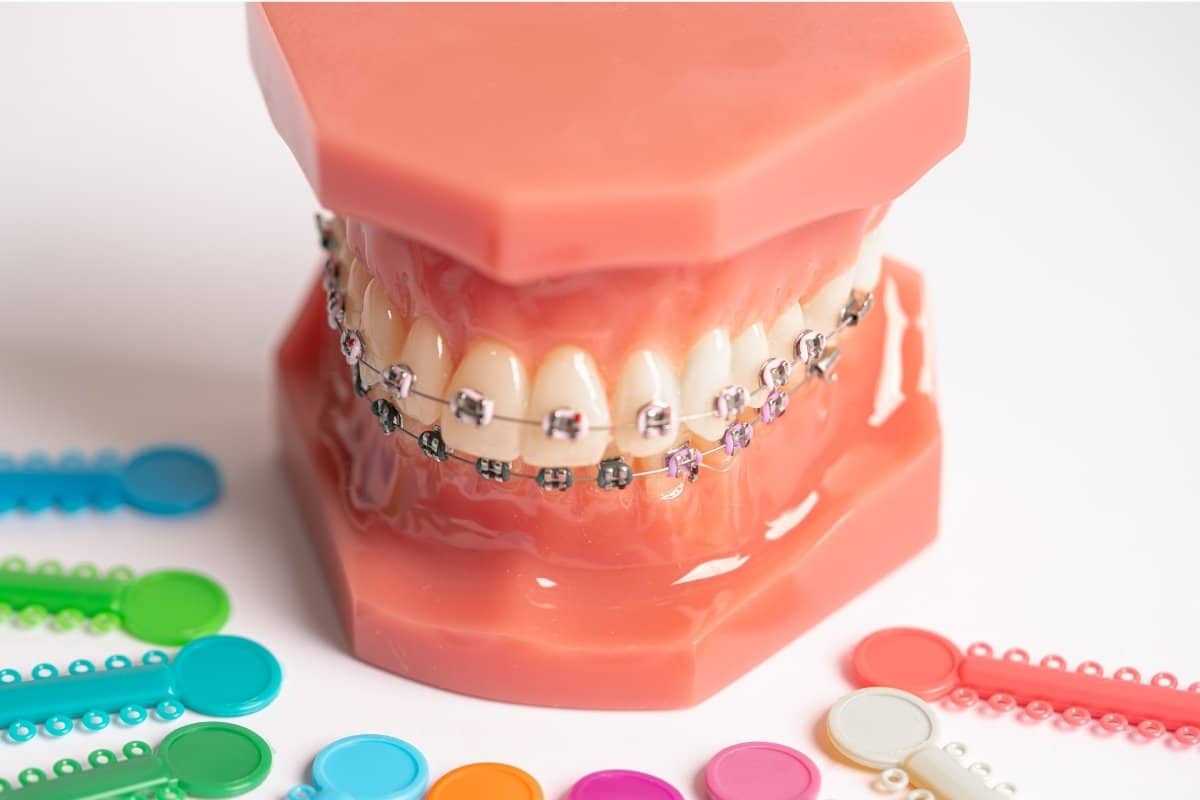
Braces work by applying gentle, consistent pressure to your teeth, which causes them to move slowly into a more aligned position. But they don’t just move teeth—they influence the surrounding bone too.
Here’s what happens:
- The pressure from braces stimulates cells called osteoclasts and osteoblasts.
- Osteoclasts break down bone in the direction the tooth is moving.
- Osteoblasts rebuild bone behind the moving tooth to support its new position.
This process is known as bone remodeling, and it’s a natural and healthy part of orthodontic treatment. It’s not bone loss in a damaging sense; it’s bone adjustment that leads to long-term stability.
So, rather than causing bone loss, braces encourage controlled and beneficial bone changes, especially when guided by a skilled orthodontist near you.
When Bone Loss Might Be a Concern
Although braces themselves don’t cause harmful bone loss, some situations can lead to problems if left unaddressed. Here are a few potential concerns:
- Poor Oral Hygiene: If plaque builds up around your braces, it can lead to gum disease, which can cause bone loss. Maintaining proper brushing and flossing habits is critical during orthodontic treatment.
- Advanced Periodontal Disease: If someone already has significant gum disease, wearing braces without addressing it first can worsen bone issues. That’s why pre-treatment exams are so important.
- Excessive Force: In rare cases, poorly managed treatment or DIY braces can apply too much force too quickly. This can overwhelm the bone and tissue, causing damage instead of healthy remodeling.
To avoid these risks, always choose a qualified orthodontist. Our expert care in Prairie Village ensures your teeth move safely and gradually, supporting your long-term dental health.
Signs of Healthy vs. Unhealthy Bone Changes
It’s important to recognize the difference between healthy orthodontic changes and potential signs of bone loss. Keep an eye out for:
Normal Adjustments:
- Mild soreness or pressure after adjustments
- Teeth slowly shifting position over time
- Gums adapting to new tooth placements
Warning Signs:
- Gum recession or inflammation
- Teeth feeling excessively loose
- Persistent pain beyond a few days
- Bleeding or pus around gums
If you notice anything concerning, don’t wait—schedule an appointment with an orthodontist near you right away. Early intervention can prevent small issues from turning into big problems.
How To Protect Your Bone Health During Braces
The good news? You can absolutely maintain strong jawbone health throughout your orthodontic journey. Here’s how:
- Maintain Excellent Oral Hygiene
- Brush after every meal using fluoride toothpaste
- Floss daily using threaders or water flossers
- Use antimicrobial mouthwash to control bacteria
- Keep Regular Orthodontic Check-Ups
- Visit your orthodontist for adjustments and assessments
- Don’t skip cleanings with your general dentist
- Eat a Balanced Diet
- Include calcium-rich foods like dairy, leafy greens, and almonds
- Avoid sticky, sugary snacks that can lead to plaque build-up
- Avoid Smoking
- Smoking can worsen gum disease and slow healing, increasing the risk of bone issues
By following these tips and working with our orthodontic team in Prairie Village, your treatment will support, not harm, your oral health.
Why Choosing the Right Orthodontist Matters
Not all orthodontic care is the same. Personalized treatment plans, gentle force application, and close monitoring make a huge difference in protecting your bone and gum health. That’s why partnering with the right provider is key.
At our dental practice in Prairie Village, patients receive expert care that’s both safe and effective. Our team uses the latest technology and orthodontic techniques to ensure healthy bone remodeling and long-lasting results. Whether you’re looking for traditional braces, clear aligners, or other treatments, our focus is on your comfort, safety, and long-term oral health.
Final Takeaway: Braces Support Bone Health When Done Right
So, do braces cause bone loss? The answer is no, not when treatment is handled by a professional. Braces actually encourage your bones to adapt in a healthy way, improving your smile and overall dental function.
With proper hygiene, regular checkups, and guidance from a trusted orthodontist near you, you can enjoy all the benefits of orthodontic treatment without compromising your bone health.
If you’re considering orthodontic treatment in Prairie Village, contact Toombs Orthodontics today to schedule your consultation. Let us help you build a straighter, healthier smile—without the myths or the worry.
Recent Post

October 13, 2026
Your Braces Just Came Off: What Happens Next
October 6, 2026
Can Orthodontic Treatment Fix an Underbite Without Jaw Surgery?
September 27, 2026
Braces Cutting Your Cheeks? Here Is How to Get Relief
September 20, 2026
What to Eat During Orthodontic Treatment: Soft Foods, Safe Choices, and Recovery Tips

September 13, 2026
Can You Chew Ice With Invisalign?
Categories
Dental Braces (18)