

August 29, 2025
Invisalign
When people choose Invisalign, they’re usually excited about the thought of straighter teeth without the hassle of metal braces. Clear aligners are discreet, comfortable, and removable, making them a top choice for teens and adults alike. But one common question patients often ask is: Does Invisalign cause cavities? The truth is, Invisalign itself doesn’t create cavities—but the way you care for your teeth while using aligners can make a big difference.
If you’re considering Invisalign treatment or already wearing aligners, this guide will help you understand how to keep your smile healthy and cavity-free during your orthodontic journey.
How Invisalign Works and Why Oral Care Matters
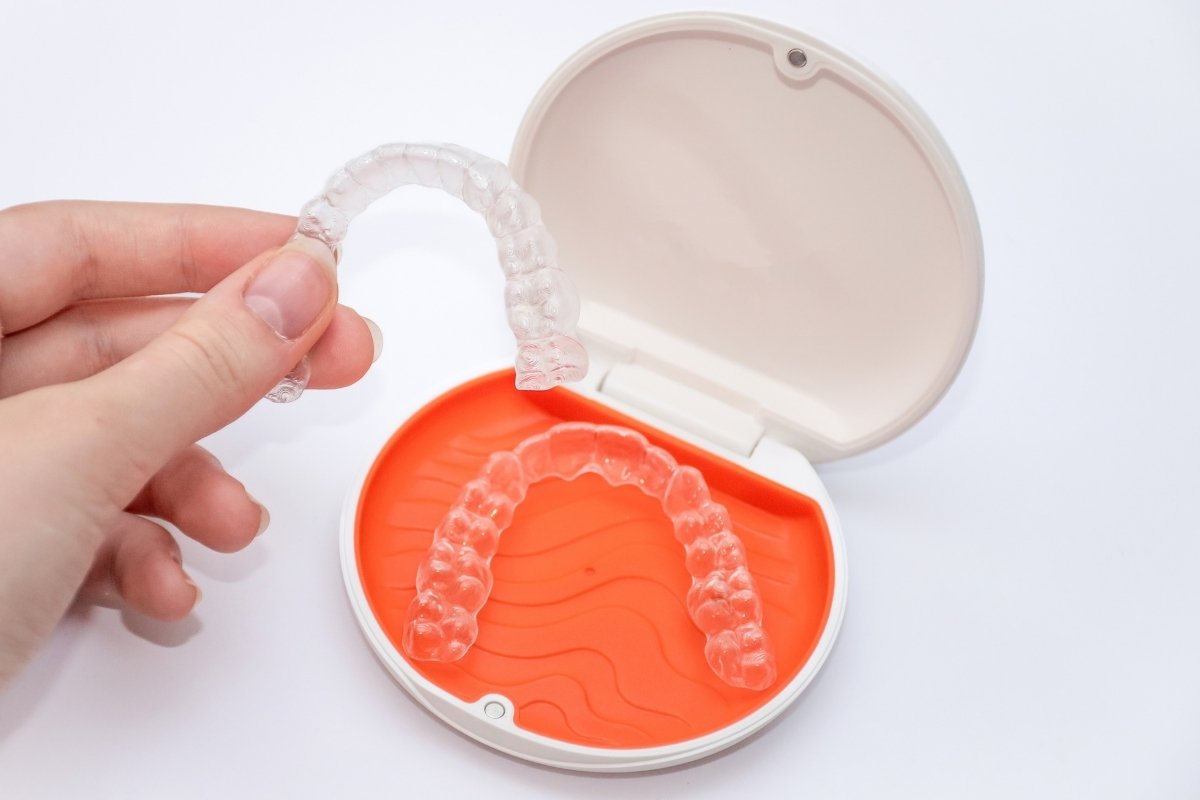
Invisalign uses custom-made, clear aligners to gently shift your teeth into alignment. Since the trays fit snugly over your teeth, they can sometimes trap food particles and bacteria if your mouth isn’t cleaned properly. This makes oral hygiene especially important.
Unlike braces, Invisalign aligners are removable, which means you can brush and floss as usual. However, wearing the trays for 20–22 hours a day means your teeth are often covered, creating the perfect environment for bacteria to thrive if plaque isn’t removed.
Key takeaway: Invisalign doesn’t cause cavities, but poor hygiene habits while wearing aligners can increase your risk.
Habits That Increase the Risk of Cavities with Invisalign
Some everyday habits can make you more vulnerable to cavities during Invisalign treatment:
- Not brushing after meals – Food particles stuck between your teeth can get trapped under aligners.
- Skipping flossing – Bacteria thrive in tight spaces between teeth, especially when aligners cover them.
- Wearing aligners without rinsing after snacks or drinks – Sugar and acids from beverages like soda or coffee can stay pressed against your teeth.
- Not cleaning aligners properly – Dirty trays can hold onto bacteria that transfer back to your teeth.
Being mindful of these habits is key to preventing cavities while enjoying your smile transformation.
Tips to Prevent Cavities During Invisalign Treatment
The good news? Preventing cavities while wearing aligners is simple with consistent care. Here are some dentist-approved tips:
- Brush and floss after every meal before putting aligners back in place.
- Use fluoride toothpaste to strengthen enamel and fight cavities.
- Clean aligners daily with Invisalign cleaning crystals or mild soap (never hot water).
- Stay hydrated to wash away bacteria and keep saliva flowing.
- Limit sugary and acidic drinks while wearing aligners.
- Schedule regular checkups with your orthodontist to ensure your teeth and aligners stay in top condition.
Following these practices makes it much less likely that you’ll experience cavities during treatment.
Why Professional Guidance Is Essential
Even with great home care, professional support plays a major role in maintaining oral health during Invisalign treatment. Our Prairie Village orthodontist monitors your progress and checks for early signs of cavities or gum issues.
Your orthodontist may also recommend fluoride treatments, dental sealants, or additional cleanings to provide extra protection for your teeth. By staying consistent with appointments, you’ll reduce your chances of cavities and keep your treatment on track.
Long-Term Benefits of Healthy Invisalign Habits
Beyond preventing cavities, good oral care during Invisalign has long-term perks:
- You’ll enjoy a straighter smile and healthier gums.
- Strong, cavity-free teeth help ensure lasting results after treatment.
- You’ll build habits that maintain your smile for years to come.
With the right approach, Invisalign not only transforms your smile but also supports your overall oral health.
FAQs About Invisalign and Cavities
Can I get cavities faster with Invisalign than with braces?
Not necessarily. In fact, Invisalign can make it easier to keep teeth clean since aligners are removable. The risk depends on your oral hygiene, not the aligners themselves.
Do aligners trap bacteria against my teeth?
If you don’t brush before wearing them, yes. Aligners can trap leftover food particles and bacteria. That’s why brushing and flossing before reinserting trays is essential.
Should I brush every time before putting my aligners back in?
Ideally, yes. Even rinsing with water is better than doing nothing, but brushing is best to prevent cavities.
How do I clean Invisalign aligners properly?
Rinse them with lukewarm water, use a soft toothbrush (separate from the one you use for teeth), and occasionally soak them in Invisalign cleaning crystals or a mild, non-colored soap solution.
Can I drink coffee or soda with Invisalign?
You should remove your aligners before drinking anything other than water. Colored or sugary drinks can stain trays and increase cavity risks.
What if I notice white spots or sensitivity during treatment?
White spots may be early signs of cavities or enamel demineralization. Schedule a visit with your orthodontist immediately for evaluation.
A Healthy Smile Starts with Smart Care
Invisalign is a safe, effective way to straighten your teeth, and it doesn’t directly cause cavities. However, the aligners create an environment where cavities can develop if you don’t stick to good oral hygiene. With consistent brushing, flossing, and guidance from our orthodontist in Prairie Village, you can enjoy the benefits of Invisalign without worrying about tooth decay.
Your journey to a straighter, healthier smile is within reach—make it last by protecting your teeth every step of the way.
Recent Post

October 13, 2026
Your Braces Just Came Off: What Happens Next
October 6, 2026
Can Orthodontic Treatment Fix an Underbite Without Jaw Surgery?

September 27, 2026
Braces Cutting Your Cheeks? Here Is How to Get Relief
September 20, 2026
What to Eat During Orthodontic Treatment: Soft Foods, Safe Choices, and Recovery Tips

September 13, 2026
Can You Chew Ice With Invisalign?
Categories
Invisalign (56)