July 14, 2026
Orthodontist
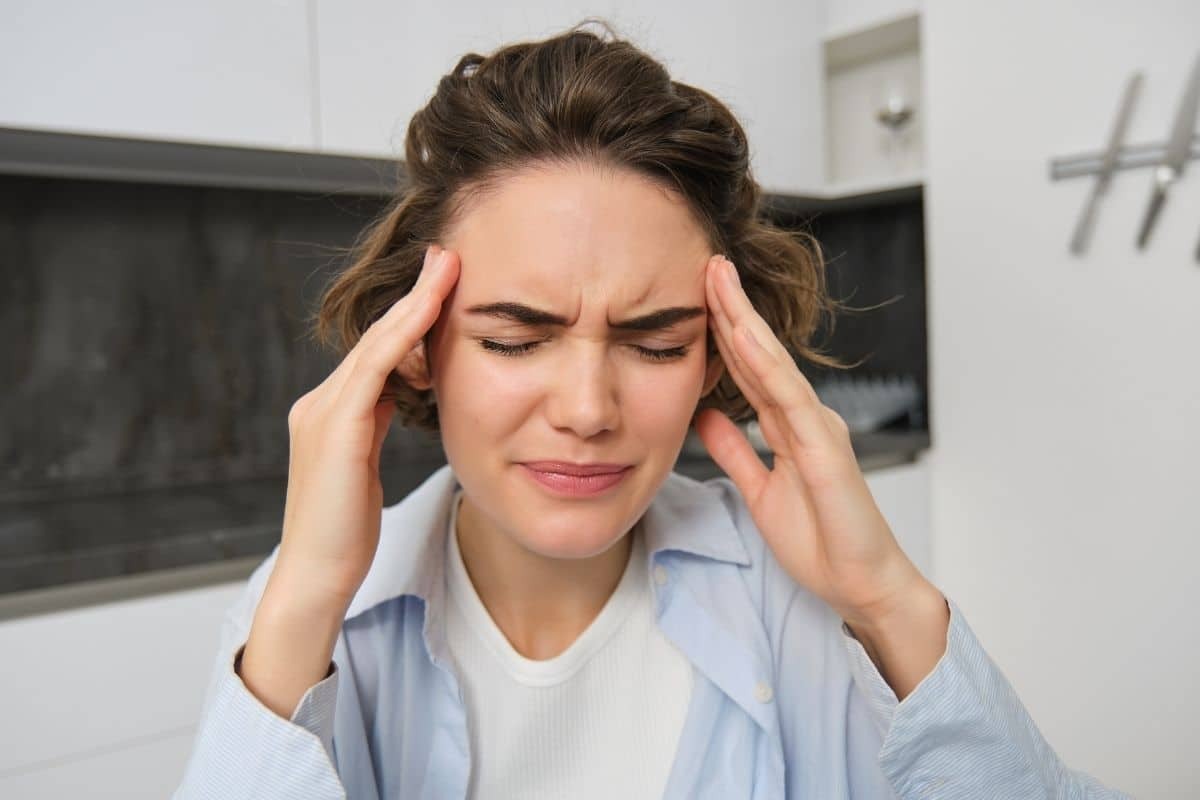
Headaches can have many causes, including stress, dehydration, sinus problems, and poor sleep. In some cases, however, an uneven bite can also contribute to recurring headaches. When your upper and lower teeth do not come together properly, the muscles that control your jaw may work harder than they should. Over time, that extra strain can spread to your face, temples, neck, and head, leading to discomfort that keeps coming back.
If your headaches seem to appear alongside jaw soreness, clicking sounds, or facial tension, your bite may be worth evaluating.
How Can a Bad Bite Lead to Headaches?
Your jaw muscles are designed to work in balance. When your teeth do not align correctly, those muscles often compensate by working unevenly. This can place continuous stress on the jaw joint and surrounding tissues.
In some situations, Orthodontic treatment may help improve tooth alignment, allowing the bite to function more evenly and reducing unnecessary muscle strain. While not every headache is caused by bite problems, correcting alignment can be an important part of the solution for some patients.
Signs Your Bite Could Be Contributing to Head Pain
A bad bite does not always cause obvious dental problems. Many people first notice symptoms that seem unrelated to their teeth.
Common signs include:
Frequent headaches, especially around the temples
Jaw pain or stiffness
Clicking or popping when opening or closing your mouth
Facial muscle fatigue after chewing
Neck or shoulder tension
Teeth that appear uneven or worn down
Difficulty finding a comfortable resting position for your jaw
If these symptoms occur together, your bite deserves a closer look.
Why Muscle Tension Matters
The muscles that move your jaw are connected to other muscles in your face, head, and neck. When one group is constantly overworked, the tension can spread beyond the jaw itself.
Some people wake up with headaches because they clench or grind their teeth during sleep. Others notice pain after eating chewy foods or after long conversations. Even small bite problems can create repeated stress when they happen thousands of times every day.
Can Fixing a Bad Bite Help?
It can, but it depends on the cause of your headaches. If poor bite alignment is contributing to muscle strain, improving the way your teeth fit together may reduce that stress over time.
An evaluation typically includes checking how your teeth meet, examining jaw movement, and reviewing any symptoms involving your head, face, or neck. This helps determine whether your bite may be playing a role or if another medical issue should be investigated.
When Should You Seek an Evaluation?
You should consider an evaluation if you have headaches that:
Return frequently without a clear explanation
Occur along with jaw pain or clicking
Are accompanied by worn or chipped teeth
Become worse after chewing
Do not improve with routine home care
Persistent headaches should never be ignored. If your symptoms are severe, sudden, or associated with vision changes, dizziness, or numbness, seek medical care immediately, as these symptoms may have causes unrelated to your bite.
Protect Your Comfort Before the Pain Gets Worse
Recurring headaches can affect your work, sleep, and daily life. If you have noticed jaw discomfort along with ongoing head pain, it may be time to have your bite evaluated.
At Toombs Orthodontics, we proudly serve patients in Lenexa with personalized care focused on long-term comfort and healthy function. Schedule a consultation to learn whether your bite could be contributing to your symptoms and discover the treatment options available for your smile in Lenexa.
Frequently Asked Questions :
1. Can a bad bite really cause headaches?
Yes. An uneven bite can place extra stress on the jaw muscles and joints, which may contribute to headaches in some people.
2. What type of headaches are linked to bite problems?
Many people experience tension-style headaches around the temples, forehead, or sides of the head, often along with jaw discomfort.
3. Will every person with a bad bite get headaches?
No. Some people have bite issues without pain, while others are more sensitive to muscle strain and joint stress.
4. How do I know if my headaches are dental related?
Headaches that occur with jaw pain, clicking, teeth grinding, or facial tension may be related to your bite and should be professionally evaluated.
5. Can children develop headaches from bite problems?
Yes. Although headaches in children have many possible causes, bite alignment can sometimes contribute, especially when combined with jaw discomfort or teeth grinding.
Recent Post

October 13, 2026
Your Braces Just Came Off: What Happens Next
October 6, 2026
Can Orthodontic Treatment Fix an Underbite Without Jaw Surgery?
September 27, 2026
Braces Cutting Your Cheeks? Here Is How to Get Relief
September 20, 2026
What to Eat During Orthodontic Treatment: Soft Foods, Safe Choices, and Recovery Tips
September 13, 2026
Can You Chew Ice With Invisalign?
Categories
Orthodontist (74)