January 7, 2026
Invisalign
Bite concerns often develop slowly. You may notice jaw tightness, uneven tooth wear, or difficulty chewing before realizing your teeth are not lining up the way they should. These issues can quietly affect daily comfort and long-term oral health if left alone.
Invisalign provides a modern option for correcting bite problems without the bulk or visibility of traditional braces. Treatment focuses on steady, intentional movement that fits naturally into everyday routines. Below is a clear look at how Invisalign addresses common bite issues and what makes the process effective.
How Invisalign Gently Moves Teeth Into Better Alignment
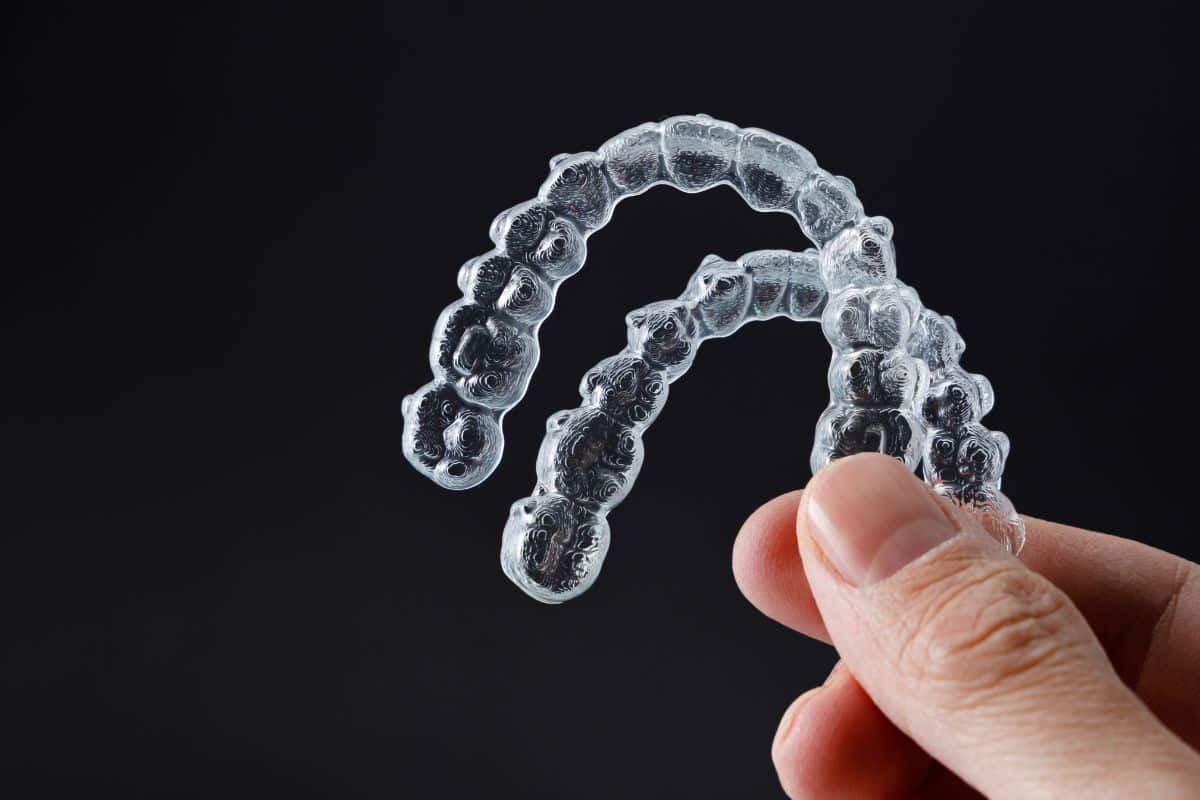
Invisalign treatment uses a sequence of clear aligners that are custom-designed for your teeth. Each aligner makes small adjustments, guiding teeth into healthier positions over time rather than forcing sudden changes.
Patients often ask about how Invisalign works behind the scenes. Treatment begins with detailed digital scans that map tooth movement from the first aligner to the last. Every stage is planned in advance, allowing controlled progress that keeps teeth and gums comfortable throughout care.
Correcting an Overbite
An overbite forms when the upper teeth extend too far over the lower teeth. Invisalign addresses this by gradually repositioning the teeth so the overlap is reduced.
Attachments may be used to help aligners apply pressure where it is needed most. Over time, this improves the balance between the upper and lower teeth.
Treating an Underbite
An underbite occurs when the lower teeth move ahead of the upper teeth. Invisalign works by guiding teeth into positions that allow the jaws to meet more evenly.
For mild to moderate cases, aligners can improve bite function while keeping treatment discreet and manageable.
Fixing a Crossbite
With a crossbite, certain upper teeth sit inside the lower teeth instead of outside. Invisalign can gently widen the dental arches and guide teeth outward into better alignment.
This correction helps protect enamel from uneven wear and supports healthier jaw movement.
Closing an Open Bite
An open bite leaves space between the front teeth even when the mouth is closed. Invisalign corrects this by adjusting how front and back teeth meet.
Consistent aligner wear is essential for this type of correction, allowing gradual closure and improved bite contact.
Take the Next Step Toward a Healthier Bite in Lenexa, KS
If bite problems are interfering with comfort or confidence, clear aligner treatment may be worth exploring. At Toombs Orthodontics, Invisalign care is designed around precise planning and long-term bite health.
Visit our dental office in Lenexa, KS to learn how Invisalign can help improve your bite with a personalized, comfortable approach. A focused consultation can help you understand what correction may look like for you.
FAQs
Thinking about Invisalign usually comes with a few common questions.
Can Invisalign fix every bite issue?
It is effective for many mild to moderate bite concerns. More complex cases may require additional orthodontic options.
How long does bite correction with Invisalign take?
Most treatments fall between 12 and 24 months, depending on the bite condition.
Is Invisalign painful during treatment?
You may feel pressure when switching aligners, but it typically fades within a short time.
Will my bite stay corrected after treatment?
Wearing retainers as advised helps protect and maintain your results long term.
Recent Post

October 13, 2026
Your Braces Just Came Off: What Happens Next
October 6, 2026
Can Orthodontic Treatment Fix an Underbite Without Jaw Surgery?
September 27, 2026
Braces Cutting Your Cheeks? Here Is How to Get Relief
September 20, 2026
What to Eat During Orthodontic Treatment: Soft Foods, Safe Choices, and Recovery Tips
September 13, 2026
Can You Chew Ice With Invisalign?
Categories
Invisalign (56)