
June 26, 2026
Invisalign
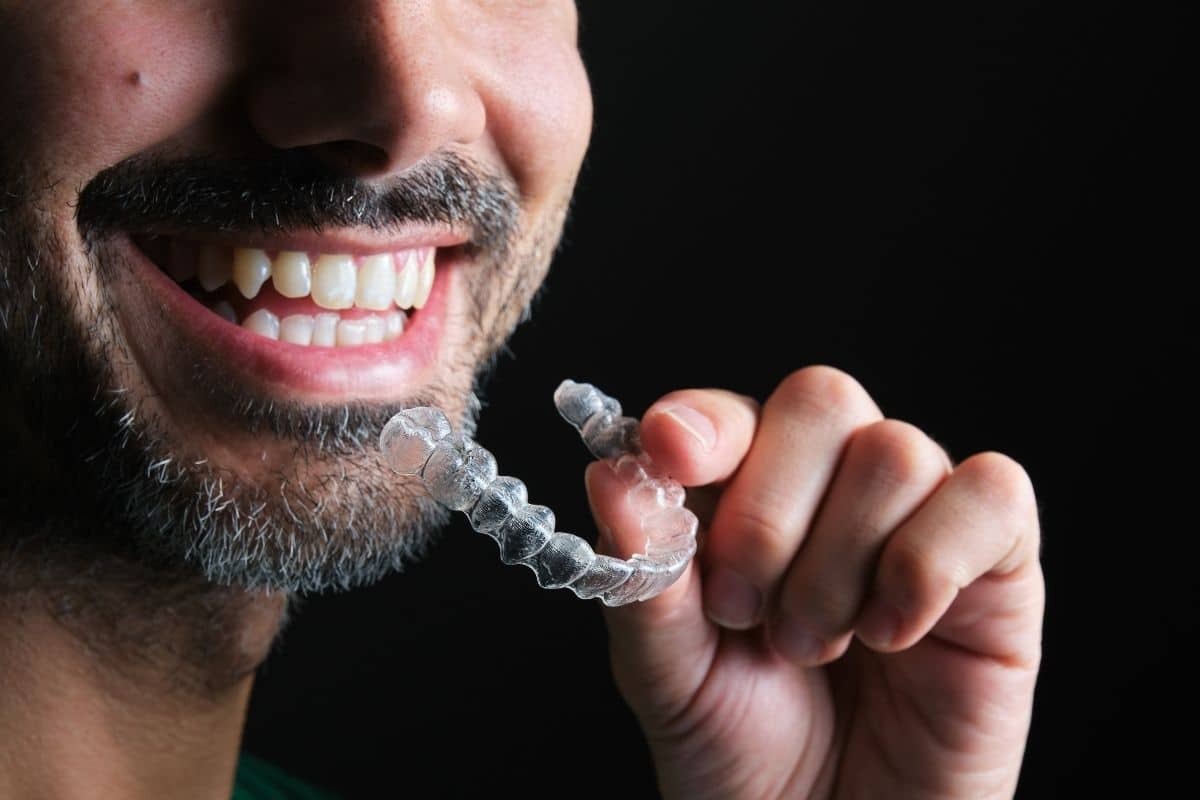
Many people expect clear aligners to feel tight throughout treatment. That pressure can be reassuring because it feels like something is happening. So, when a new tray slips on easily or becomes comfortable after a short time, it is natural to wonder whether your teeth are still moving.
The good news is that a lack of tightness does not automatically mean treatment has stopped working.
Why Aligners Feel Tight at First
When you switch to a new set of trays, they are designed to guide your teeth toward a slightly different position. Because your teeth have not reached that position yet, you may notice pressure during the first few days.
This feeling is usually a sign that the trays are applying gentle force. However, every stage of treatment is different. Some aligners create more noticeable pressure than others, depending on the amount of movement planned.
What Happens When the Tight Feeling Goes Away?
As your teeth respond to the force from the tray, they gradually move into alignment with the shape of the aligner. Once that movement occurs, the tray naturally feels more comfortable.
In many cases, this is exactly what should happen.
Think of it this way: if a tray remained painfully tight for its entire wear period, it could suggest that your teeth were not tracking as expected. Comfort often means your teeth have adapted to the intended movement.
Signs Your Treatment Is Still Progressing
Even if your trays no longer feel tight, there are other ways to tell that treatment is moving forward:
The Aligners Fit Properly
Your trays should sit snugly against your teeth without large gaps. A proper fit is often a better indicator of progress than pressure alone.
You Can Switch to New Trays on Schedule
If your provider has instructed you to change trays every one or two weeks and each new set fits as expected, your treatment is likely progressing normally.
You Notice Small Changes
Many patients begin to see subtle improvements over time. Spaces may start closing, crowded teeth may look straighter, and bite alignment may gradually improve.
Your Checkups Show Positive Progress
Routine appointments allow your orthodontic team to monitor tooth movement and confirm that everything is tracking according to plan.
When Should You Be Concerned?
While a comfortable tray is usually normal, there are situations that deserve attention.
You may want to contact your orthodontist if:
- Your aligners feel unusually loose
- Large gaps appear between the tray and your teeth
- A new tray does not fit correctly
- Teeth seem to stop tracking with the aligners
- You have not been wearing the trays for the recommended number of hours each day
Consistent wear remains one of the most important factors for success. Even the most carefully designed treatment plan depends on following the recommended schedule.
Does Every Tray Need to Feel Tight?
Not at all.
Each tray is created to accomplish a specific movement. Some stages involve more noticeable adjustments, while others focus on refining alignment or preparing for future movements. Because of this, the level of pressure can vary throughout treatment.
Many patients are surprised to learn that some of their most effective trays felt relatively comfortable from the start.
If you are considering treatment, learning how invisalign aligners work can help you better understand why pressure levels change during different stages of the process.
Trust the Fit More Than the Feeling
It is easy to associate discomfort with progress, but orthodontic treatment does not work that way. Teeth move through controlled, gradual force, and once they have adapted to a tray, that tray should feel more natural.
Rather than focusing on whether your aligners feel tight, pay attention to how well they fit and whether you are following your prescribed wear schedule. Those factors provide a much clearer picture of treatment progress.
Ready to Make Sure Your Treatment Is on Track?
Questions about your aligners are completely normal, and getting expert guidance can help you stay confident throughout treatment. Toombs Orthodontics is here to evaluate your progress, answer your concerns, and help you achieve the smile you are working toward. Visit our Lenexa dental clinic to schedule an appointment and learn more about your treatment options. Whether you are just getting started or already progressing through care, our team is proud to serve patients throughout Lenexa with personalized orthodontic support.
Frequently Asked Questions :
How long should aligners feel tight after switching trays?
Most people notice pressure for a few days after starting a new tray. The sensation usually decreases as the teeth move into position.
Can aligners work even if they feel uncomfortable?
Yes. Comfortable aligners often mean your teeth have responded to the planned movement and are tracking correctly.
What if my new tray does not feel different from the previous one?
Not every stage requires major tooth movement. Some trays focus on smaller adjustments, so they may feel less noticeable.
Should I wear aligners longer if they no longer feel tight?
Follow the schedule provided by your orthodontist. Do not change your wear time without professional guidance.
Recent Post

October 13, 2026
Your Braces Just Came Off: What Happens Next
October 6, 2026
Can Orthodontic Treatment Fix an Underbite Without Jaw Surgery?

September 27, 2026
Braces Cutting Your Cheeks? Here Is How to Get Relief
September 20, 2026
What to Eat During Orthodontic Treatment: Soft Foods, Safe Choices, and Recovery Tips

September 13, 2026
Can You Chew Ice With Invisalign?
Categories
Invisalign (56)