

January 14, 2026
Invisalign
If you have a missing tooth, you might wonder whether Invisalign is still an option for straightening your teeth. Many patients assume that gaps automatically disqualify them from clear aligners, but that’s not always the case. Understanding how Invisalign works with missing teeth can help you make an informed decision about your smile and your overall dental health.
How Invisalign Works With Gaps
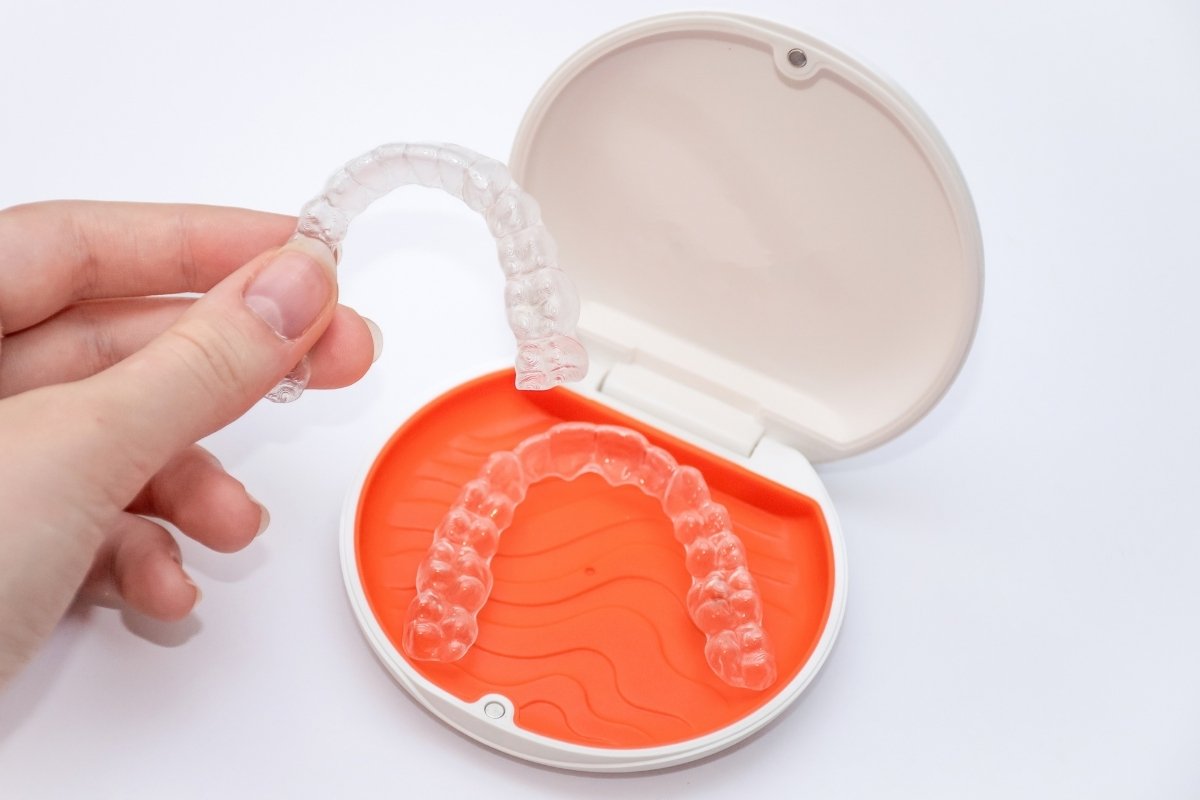
Invisalign uses a series of custom-made clear aligners to gradually move teeth into their ideal positions. Each aligner is designed to apply precise pressure on certain teeth to achieve the desired movement.
Planning Around Missing Teeth
When you have a missing tooth, your orthodontist carefully plans your treatment so the aligners fit snugly and guide surrounding teeth into the proper alignment. Sometimes, temporary attachments or modifications in the aligners are used to prevent unwanted shifting or tilting.
Benefits of Correcting Your Smile Despite a Gap
Even if you have a missing tooth, Invisalign for correcting your smile can still be an effective option. The treatment can help guide your remaining teeth into proper alignment, prevent unwanted shifting into the empty space, maintain a balanced bite, and enhance your overall smile aesthetics. With careful planning, Invisalign can address functional and cosmetic concerns while keeping your treatment discreet and comfortable.
Key benefits include:
Prevent Teeth from Shifting: Aligners help keep surrounding teeth in place, avoiding gaps or crowding caused by the missing tooth.
Maintain Proper Bite Alignment: Invisalign keeps your bite balanced, supporting efficient chewing and reducing strain on other teeth.
Support Future Dental Work: Properly aligned teeth make it easier to place implants, bridges, or other restorations later.
Enhance Smile Appearance: Temporary prosthetic options or carefully designed aligners keep your smile looking complete during treatment.
Considerations Before Starting Invisalign
Before committing to treatment, there are a few key factors to discuss with your orthodontist.
Location of the Missing Tooth: A missing front tooth may require different planning compared to a molar.
Spacing Needs: Invisalign can help close small gaps or maintain space for future dental implants or bridges.
Oral Health: Ensuring your gums and remaining teeth are healthy is critical for effective aligner therapy.
Tips for Managing Invisalign With a Missing Tooth
Here are some practical points to keep in mind:
Consistent Wear: Aligners must be worn 20–22 hours daily for optimal results.
Regular Check-Ups: Frequent monitoring ensures teeth move as planned and adjustments are made if needed.
Temporary Solutions: Sometimes, temporary prosthetic teeth can be placed in the aligner for aesthetic purposes.
Custom Aligners: Advanced software allows precise modeling, even with missing teeth, to achieve a balanced smile.
Enhance Your Smile in Prairie Village, KS
Don’t let a missing tooth stop you from achieving a beautiful, straight smile. Visit our dental clinic in Prairie Village, KS, and let our team create a personalized Invisalign plan tailored to your unique needs. At Toombs Orthodontics, we make sure your treatment is effective, comfortable, and designed to give you the confidence to smile again.
FAQ: Getting Invisalign With a Missing Tooth
Curious about Invisalign and gaps? Here are answers to common questions.
Q: Can Invisalign close the gap from a missing tooth?
A: Invisalign is not designed to replace missing teeth, but it can prevent surrounding teeth from shifting and prepare your mouth for future restoration.
Q: Is Invisalign safe if I have multiple missing teeth?
A: Yes, but it requires careful planning and sometimes additional attachments or modifications to ensure proper alignment.
Q: Will my aligners look natural with a missing tooth?
A: Temporary prosthetic teeth can be added to the aligners for cosmetic purposes, so your smile looks complete during treatment.
Q: How long will treatment take with a missing tooth?
A: Treatment duration varies depending on the location and number of missing teeth, but is generally comparable to standard Invisalign therapy.
Recent Post

October 13, 2026
Your Braces Just Came Off: What Happens Next
October 6, 2026
Can Orthodontic Treatment Fix an Underbite Without Jaw Surgery?

September 27, 2026
Braces Cutting Your Cheeks? Here Is How to Get Relief
September 20, 2026
What to Eat During Orthodontic Treatment: Soft Foods, Safe Choices, and Recovery Tips

September 13, 2026
Can You Chew Ice With Invisalign?
Categories
Invisalign (56)