

October 10, 2025
Invisalign
Thinking about straightening your smile while expecting? Many women wonder whether Invisalign treatment is safe, comfortable, or even practical during pregnancy. With changing hormones, morning sickness, and shifting priorities, it’s completely natural to question whether now is the right time to move forward.
The good news? Most patients can safely begin or continue Invisalign during pregnancy—if done with proper guidance from experienced providers. Still, there are essential details every mom-to-be should understand before starting treatment.
How Pregnancy Affects Your Oral Health
Pregnancy brings many changes, and your mouth is no exception. Hormonal shifts often affect your gums, saliva production, and sensitivity levels. Understanding these changes can help you and your orthodontist plan Invisalign treatment more effectively.
Some common dental changes during pregnancy include:
- Increased gum sensitivity
- Higher chance of gingivitis
- Dry mouth
- Elevated risk of plaque buildup
- Occasional tooth mobility due to hormone fluctuations
These changes don’t automatically prevent you from wearing Invisalign trays, but they do highlight the importance of personalized care and regular monitoring.
Why Invisalign Is Generally Safe for Expectant Mothers
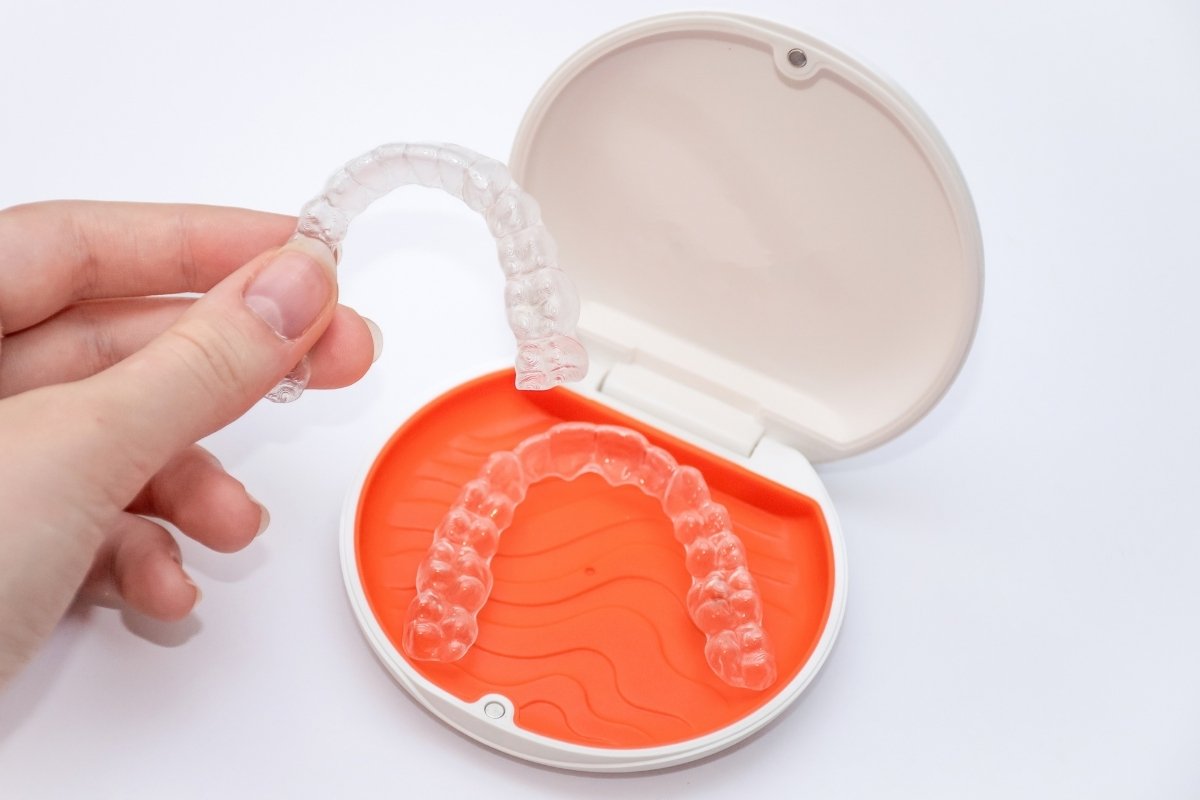
For most people, yes—Invisalign is considered safe during pregnancy. The aligners are made from BPA-free, medical-grade plastic. They don’t release chemicals, and they don’t interfere with your body or your baby.
Here’s why Invisalign is typically safe:
- No metal brackets or wires, which means fewer irritation risks
- No anesthetic required, which helps avoid medication concerns
- Minimal dental visits, ideal for women managing fatigue or nausea
- Removable trays, so you can maintain oral hygiene easily
Still, it’s important to have an orthodontist assess whether Invisalign is appropriate for your current dental health.
Benefits of Invisalign for Pregnant Women
Pregnancy is already a time of change—choosing a comfortable, low-maintenance orthodontic option can make the process easier.
Some standout benefits include:
‣ Comfort During Sensitive Months
Many pregnant women experience tender gums. Invisalign trays are smooth, which reduces irritation compared to braces.
‣ Better Oral Hygiene
During pregnancy, you’re more susceptible to gum inflammation. Since Invisalign is removable, you can:
- Brush normally
- Floss completely
- Rinse as often as you need
This helps keep your mouth healthy throughout your treatment.
‣ Fewer Appointments
Checkups are typically quick and scheduled every 6–8 weeks. This helps if you’re dealing with frequent doctor visits, nausea, or fatigue.
‣ No Dietary Restrictions
You can still enjoy crunchy fruits, healthy snacks, and prenatal-friendly foods without worrying about breaking brackets or wires.
What to Discuss With Your Orthodontist Before Starting Invisalign
Even though Invisalign is safe, a few extra considerations matter when you’re expecting. Your orthodontist may tailor your treatment timeline or monitor your gum health more closely.
Here’s what you should discuss:
‣ Gum Sensitivity Concerns
Hormonal changes can cause pregnancy gingivitis. Your orthodontist may recommend additional cleanings or modified tray wear schedules.
‣ Morning Sickness
If nausea causes extra acidity in the mouth, you may need:
- More frequent rinsing
- Aligner cleanings
- Shorter wear breaks to remain comfortable
‣ Dental X-Rays
While dental X-rays are generally safe when using proper shielding, many pregnant women choose to postpone them until after pregnancy. In most Invisalign cases, previously taken X-rays or digital scans are sufficient.
‣ Treatment Timeline
If your due date falls in the middle of your tray cycles, your orthodontist can help plan around postpartum recovery.
Tips for Wearing Invisalign Comfortably During Pregnancy
If you’re planning Invisalign during pregnancy, these simple habits can keep the process smooth:
- Rinse your mouth after morning sickness episodes
- Stay hydrated to reduce dry mouth
- Clean aligners twice daily
- Avoid wearing trays while drinking acidic beverages
- Schedule regular cleanings to prevent inflammation
Small adjustments can make a big difference in your comfort level.
Is It Better to Start Invisalign Before, During, or After Pregnancy?
There’s no universal “best time” because every woman’s dental health and comfort level varies. Still, here’s a quick breakdown to help you decide:
Starting Before Pregnancy
- Allows full diagnostic imaging
- Easier to maintain a consistent routine
- Fewer hormonal gum challenges
Starting During Pregnancy
Best for those who want a head start on their smile journey and feel comfortable with minimal dental intervention.
Starting After Pregnancy
Ideal if you’re experiencing severe morning sickness or wish to avoid any additional appointments while adjusting to pregnancy.
Whichever timeline you choose, our orthodontist in Lenexa ensures you receive safe, personalized care.
Frequently Asked Questions
Can I get Invisalign if I’m in my first trimester?
Yes. Invisalign is safe during all trimesters. However, if you’re experiencing intense nausea, your orthodontist may adjust your care plan.
Will pregnancy slow down or speed up tooth movement?
Most patients don’t notice major differences, but hormonal changes may temporarily increase gum sensitivity.
Can Invisalign worsen pregnancy gingivitis?
Not if aligners are cleaned properly. In fact, Invisalign’s removable design often makes oral hygiene easier.
Is the aligner material safe for pregnant women?
Yes. Invisalign uses BPA-free, medical-grade plastic that doesn’t release harmful substances.
What if I miss wearing my trays during difficult pregnancy days?
Talk to your orthodontist. They may adjust your wear schedule or extend a tray cycle if needed.
Do Invisalign appointments take long?
Most visits are quick, making them manageable even in late pregnancy.
Can I continue Invisalign if I get pregnant mid-treatment?
Absolutely. Many women start treatment before pregnancy and continue safely through delivery.
Do I need X-rays to start Invisalign?
X-rays help with diagnostics, but many women use existing scans to avoid new imaging.
A Final Word for Moms-to-Be
A healthy, confident smile is something you deserve—pregnant or not. Invisalign offers a flexible, low-stress orthodontic option that fits easily into your changing routine. Most women can safely begin or continue Invisalign treatment with guidance from trusted providers like Toombs Orthodontics.
Pregnancy may bring its challenges, but orthodontic care doesn’t have to be one of them. With the right support and thoughtful planning, you can work toward the smile you’ve always wanted while preparing for your growing family.
Recent Post

October 13, 2026
Your Braces Just Came Off: What Happens Next
October 6, 2026
Can Orthodontic Treatment Fix an Underbite Without Jaw Surgery?

September 27, 2026
Braces Cutting Your Cheeks? Here Is How to Get Relief
September 20, 2026
What to Eat During Orthodontic Treatment: Soft Foods, Safe Choices, and Recovery Tips

September 13, 2026
Can You Chew Ice With Invisalign?
Categories
Invisalign (56)