

September 14, 2023
Invisalign
If you’re considering straightening your teeth with this innovative and virtually invisible aligner system, then you’ve come to the right place. Not only will Invisalign transform your smile, but it’s also crucial to keep your oral health in tip-top shape throughout the process. So grab a cup of tea or coffee (or maybe even some floss!) and let’s dive into how you can maintain excellent oral hygiene during your Invisalign journey. Trust us, your pearly whites will thank you later!
The Purpose of Invisalign
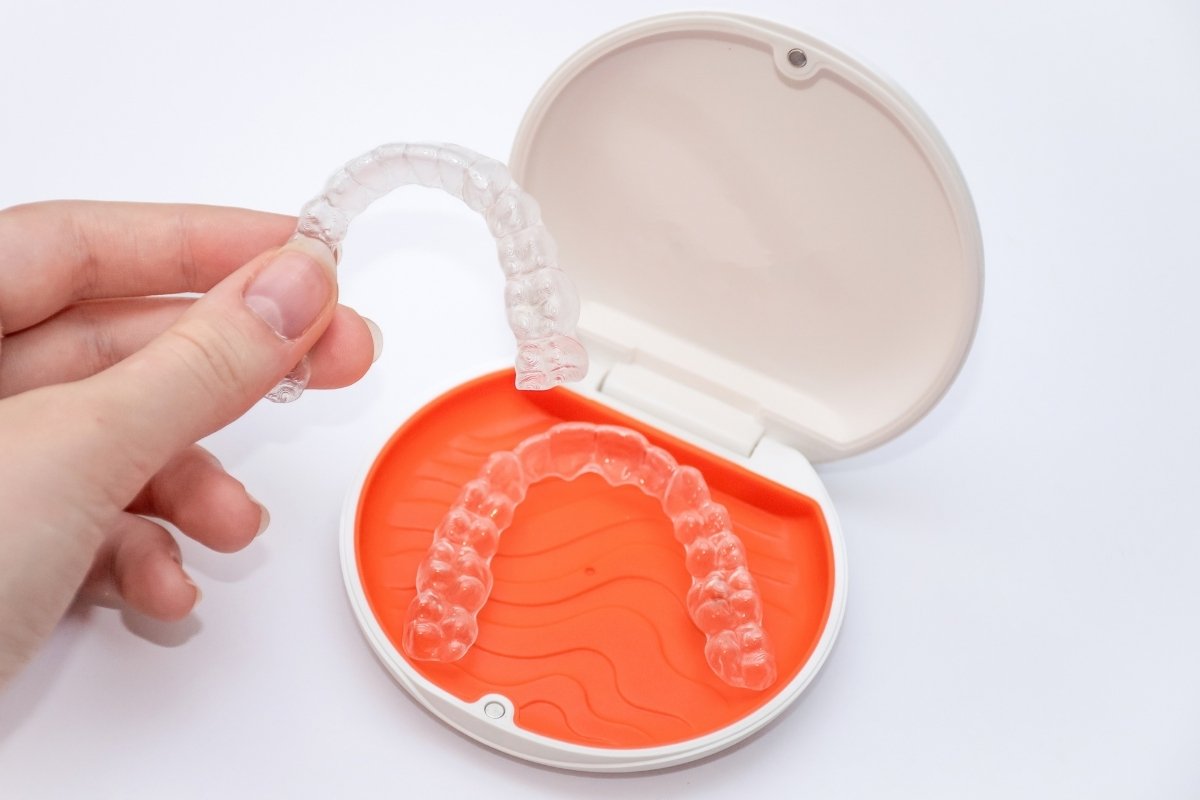
Invisalign is a popular orthodontic treatment that aims to straighten teeth and improve overall oral health. Unlike traditional braces, which use metal brackets and wires, Invisalign uses clear aligners that are virtually invisible when worn. The purpose of Invisalign is to provide patients with a discreet and comfortable alternative to traditional braces.
One of the main advantages of Invisalign is its ability to correct various dental issues, including overcrowded teeth, gaps between teeth, overbites, underbites, and crossbites. This innovative treatment method gradually shifts the teeth into their desired positions using custom-made aligners.
Another important purpose of Invisalign is to promote good oral hygiene during orthodontic treatment. With traditional braces, maintaining proper oral health can be challenging because food particles often get trapped in the brackets and wires. However, since Invisalign aligners are removable, patients can easily brush and floss their teeth without any obstructions.
Furthermore, by improving the alignment of your teeth through Invisalign treatment, you can potentially reduce the risk of developing certain dental problems in the future. Straighter teeth are easier to clean effectively on a daily basis which lowers the chances for plaque buildup or tooth decay.
How Oral Health is Maintained during Treatment with Invisalign?
During Invisalign treatment, it is essential to maintain good oral health to ensure the best possible outcome. Luckily, taking care of your teeth and gums while wearing Invisalign aligners is relatively straightforward.
Keeping your aligner trays clean is crucial for maintaining oral hygiene. This can be done by gently brushing them with a soft toothbrush and mild soap or using specialized cleaning crystals recommended by your orthodontist. Remember to rinse them thoroughly before putting them back in your mouth.
Proper brushing and flossing are still necessary during Invisalign treatment. While the aligners themselves help protect your teeth from bacteria, it’s important not to neglect regular dental hygiene routines. Brush at least twice a day for two minutes each time and floss daily to remove any food particles that may get trapped between the aligners and your teeth.
Additionally, make sure you visit your dentist regularly throughout the course of Invisalign treatment. Your dentist will monitor the progress of your treatment and address any concerns or issues that may arise.
Be mindful of what you eat while wearing Invisalign aligners. Avoid sticky or hard foods that could potentially damage both the aligners and your teeth. Opt for softer options instead.
By following these simple steps, you can maintain optimal oral health during Invisalign treatment and achieve a beautiful smile in no time!
The Effects of Invisalign on Oral Health
When it comes to straightening your teeth, Invisalign has become a popular choice for many people. This innovative treatment uses clear aligners to gradually shift your teeth into their desired position. But what are the effects of Invisalign on oral health?
One of the major benefits of Invisalign is that it allows for better oral hygiene compared to traditional braces. Since the aligners can be easily removed, you can continue brushing and flossing as usual, without any obstructions. This helps in preventing gum disease and tooth decay.
Another positive effect of Invisalign on oral health is improved gum health. Misaligned teeth can create spaces where plaque and bacteria tend to accumulate, leading to gum inflammation and even periodontal disease. By straightening your teeth with Invisalign, these spaces are minimized, reducing the risk of such dental problems.
In addition, wearing Invisalign aligners also helps protect against tooth wear or chipping due to uneven pressure caused by misalignment. By correcting the alignment issues, stress on certain teeth is reduced, ensuring a more balanced bite and protecting your overall dental health.
Furthermore, since there are no metal brackets or wires involved with Invisalign treatment, there is less chance for irritation or discomfort in the mouth. This makes it a more comfortable option for patients while still providing effective results.
When it comes to maintaining oral health during orthodontic treatment with Invisalign in Prairie Village (or anywhere else), this modern approach offers several advantages over traditional braces. From allowing proper oral hygiene practices to improving gum health and reducing tooth wear risks – choosing Invisalign means achieving a beautiful smile while prioritizing your dental wellbeing!
The Bottom Line
Maintaining a healthy smile is essential, especially when undergoing orthodontic treatment like Invisalign. Throughout this blog post, we’ve discussed the purpose of Invisalign and how it can help in achieving straighter teeth without compromising oral health.
It’s important to remember that good oral hygiene practices should be maintained during the entire duration of your Invisalign treatment. Regular brushing and flossing are crucial for keeping plaque at bay and preventing tooth decay or gum disease.
In addition to practicing excellent oral hygiene, it’s also important to follow any specific instructions given by your dentist or orthodontist regarding wearing your aligners as directed. This will ensure that your treatment progresses smoothly and effectively.
While Invisalign aligners do have some effects on oral health, such as potential minor discomfort or speech changes initially, these issues usually subside with time as you get used to wearing them. It’s also worth noting that maintaining proper oral care can help alleviate any temporary concerns associated with wearing aligners.
Recent Post

October 13, 2026
Your Braces Just Came Off: What Happens Next
October 6, 2026
Can Orthodontic Treatment Fix an Underbite Without Jaw Surgery?

September 27, 2026
Braces Cutting Your Cheeks? Here Is How to Get Relief
September 20, 2026
What to Eat During Orthodontic Treatment: Soft Foods, Safe Choices, and Recovery Tips

September 13, 2026
Can You Chew Ice With Invisalign?
Categories
Invisalign (56)