

June 5, 2023
Orthodontist
Welcome to our blog post about orthodontic treatment! If you’re considering braces or other orthodontic options, one question is likely on your mind: how long will this take? It’s understandable to want an estimate of the timeline for achieving a straighter smile. The good news is that modern orthodontics have come a long way in recent years, and there are more options than ever before to suit different needs. In this post, we’ll explore the factors that affect treatment time and give you a better idea of what to expect from your orthodontic journey. So let’s get started!
What Is Orthodontic Treatment?
Orthodontic treatment is a specific type of dental care that focuses on correcting teeth and jaw misalignments. This can be achieved through the use of various dental appliances, such as braces or aligners, which are designed to gradually shift the teeth into their proper positions.
The goal of orthodontic treatment is not only to improve the appearance of your smile but also to enhance its function and overall health. Crooked or crowded teeth can make it difficult to properly clean your teeth, leading to an increased risk of tooth decay and gum disease.
During your initial consultation with an orthodontist, they will evaluate your oral health and take x-rays and impressions if necessary. Based on this information, they will develop a customized treatment plan tailored specifically for you.
It’s important to note that orthodontic treatment isn’t just for children – many adults choose to undergo treatment later in life for cosmetic or functional reasons. So whether you’re looking to straighten crooked teeth or correct a bite issue, orthodontic treatment may be right for you!
How Long Does It Take To Complete Treatment?
The length of orthodontic treatment varies depending on the severity of the individual’s case. On average, treatment can take anywhere from 12 to 36 months. However, some patients may require longer treatment times if their teeth are more crowded or misaligned.
During your initial consultation with an orthodontist, they will evaluate your specific needs and provide you with a timeline for your treatment plan. This will give you an idea of how long you can expect to wear braces or aligners.
It’s important to note that following proper oral hygiene habits and attending all scheduled appointments can help speed up the process. Neglecting these responsibilities could potentially extend the overall time needed for treatment.
Additionally, there are options available such as accelerated orthodontics which can shorten treatment time by up to 50%. These methods involve using advanced technology and techniques designed to move teeth faster than traditional methods.
Ultimately, it’s best to trust in your orthodontist’s expertise when it comes to determining how long your specific course of treatment will take. By following their recommendations and staying committed throughout the process, you’ll be able to achieve a healthy smile in no time!
Does The Type Of Braces Affect Treatment Time?
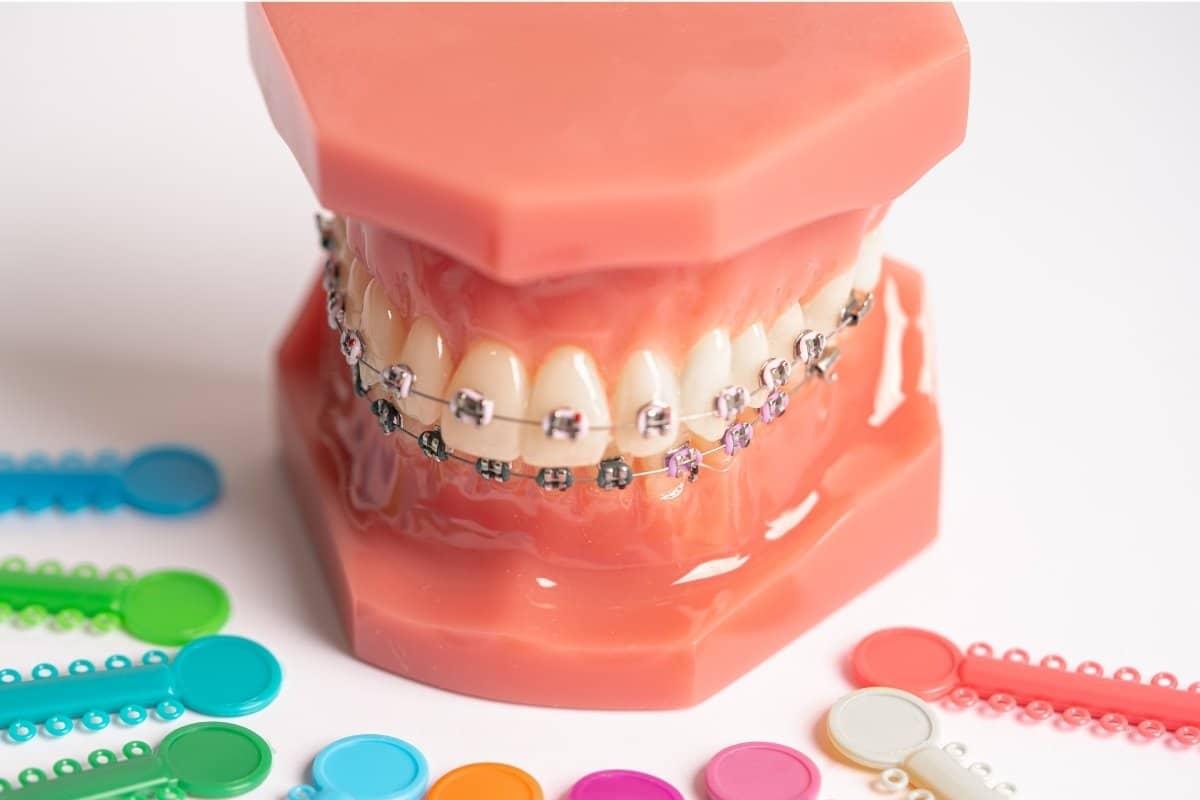
The type of braces used to correct orthodontic issues can have an impact on the length of treatment time. Traditional metal braces are often the go-to option for patients with more complex or severe issues, as they are capable of applying stronger and more precise pressure to the teeth.
However, technological advancements in recent years have made it possible for other types of braces like ceramic, lingual and clear aligners to be just as effective in treating certain dental cases.
Ceramic braces work similarly to traditional metal ones but use tooth-colored brackets that blend in with the natural color of your teeth. Lingual braces are attached behind your teeth instead of in front, making them nearly invisible from the outside.
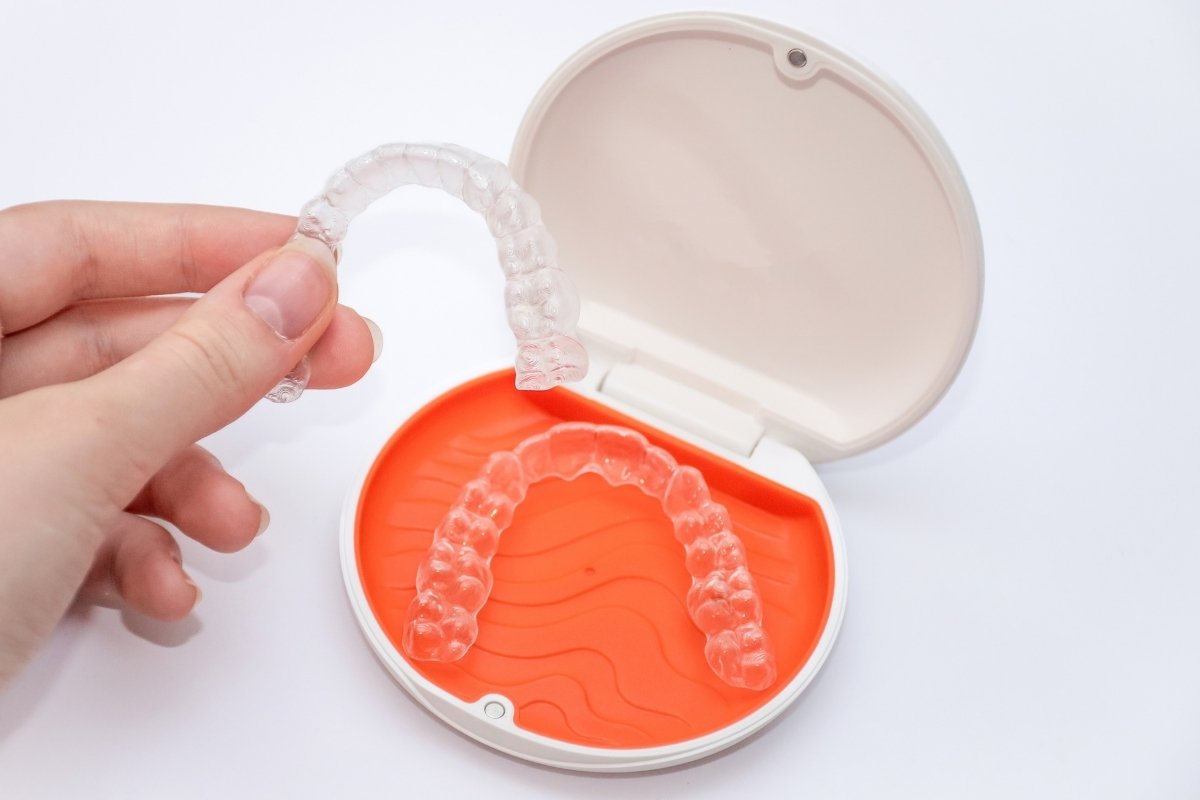
Clear aligners like Invisalign are removable trays that gradually shift your teeth into their desired position over time. While these options may offer greater comfort and discretion, they may require longer treatment times compared to traditional metal braces due to lower force levels applied during each adjustment session.
Ultimately, it’s important for patients to discuss their treatment goals and preferences with their orthodontist before making a decision about which type of brace is right for them.
How Often Do I Need To See The Orthodontist?
Regular check-ups with your orthodontist are crucial to ensure the success of your treatment. So, how often do you need to see them? Well, it depends on the type of braces you have and how severe your case is.
Typically, patients with traditional metal braces will need to visit their orthodontist every 4-6 weeks. During these appointments, adjustments will be made to the wires and brackets in order to keep teeth moving in the right direction.
Patients with clear aligners such as Invisalign may require fewer visits since they receive several sets of trays at once and change them on their own every two weeks. However, it’s still important for them to schedule regular check-ins with their orthodontist to monitor progress.
If you have a more complex case or have had jaw surgery as part of your treatment plan, your orthodontist may ask you to come in more frequently – perhaps every 2-3 weeks.
Remember that missing appointments can prolong treatment time and affect the final result – so make sure you stay committed!
The Bottom Line
Orthodontic treatment is a journey that requires patience, commitment, and dedication. The duration of the treatment varies depending on several factors such as the severity of the dental issue and the type of braces used. However, with regular appointments to your orthodontist and proper care for your braces or aligners, you can shorten your treatment time.
Remember that undergoing orthodontic treatment is more than just achieving a perfect smile. It also improves chewing ability, speech clarity, and overall oral health. So if you’re considering getting braces or aligners, don’t hesitate to consult with an experienced orthodontist who will guide you through the process from start to finish.
With this article’s knowledge about how long it takes to complete an orthodontic treatment and what affects it; choose wisely when deciding which type of braces suits your lifestyle best without compromising effectiveness so that your experience may be comfortable while achieving optimal results in no time!
Recent Post

October 13, 2026
Your Braces Just Came Off: What Happens Next
October 6, 2026
Can Orthodontic Treatment Fix an Underbite Without Jaw Surgery?

September 27, 2026
Braces Cutting Your Cheeks? Here Is How to Get Relief
September 20, 2026
What to Eat During Orthodontic Treatment: Soft Foods, Safe Choices, and Recovery Tips

September 13, 2026
Can You Chew Ice With Invisalign?
Categories
Orthodontist (74)