
December 1, 2023
Orthodontist
A beautiful smile is not only a confidence booster but also an essential aspect of overall health. Orthodontic treatment plays a crucial role in ensuring proper dental development, and early intervention can be key to addressing potential issues in children. In this blog post, we’ll explore the importance of early orthodontic treatment, when to start, and the benefits it offers for your child’s oral health and overall well-being.
The Significance of Early Intervention
Early intervention in orthodontics involves identifying and addressing dental issues at a young age. This proactive approach allows orthodontists to guide the growth of the jaw and address potential problems before they become more severe. By starting treatment early, you can often avoid more extensive and invasive procedures later in life.
Common Dental Issues in Children
Several dental issues can benefit from early intervention:
a. Malocclusions (Misaligned Bites): Malocclusions can lead to difficulty chewing, speech problems, and even contribute to self-esteem issues. Early orthodontic treatment can help correct these issues and prevent further complications.
b. Crowding or Spacing Issues: Early detection of crowding or spacing problems allows orthodontists to create more space in the mouth for proper tooth alignment, reducing the likelihood of more serious issues in the future.
c. Thumb Sucking and Pacifier Use: Prolonged thumb sucking or pacifier use can impact the development of a child’s bite and jaw. Orthodontic intervention can help break these habits and mitigate potential consequences.
Ideal Age for Orthodontic Evaluation
While the specific age can vary for each child, orthodontic evaluations are generally recommended around the age of 7. At this age, a child’s permanent teeth are starting to come in, and orthodontists can assess their alignment and detect any potential issues.
Advantages of Early Treatment
a. Prevention of Future Complications: Early intervention can prevent the progression of dental issues, reducing the need for more invasive and costly treatments later in life.
b. Improved Facial Symmetry: Guiding jaw growth at an early age can contribute to better facial symmetry, enhancing your child’s overall appearance.
c. Boosted Confidence: Correcting dental issues early can positively impact a child’s self-esteem, as they are less likely to experience teasing or bullying related to their smile.
Orthodontic Treatment Options for Children
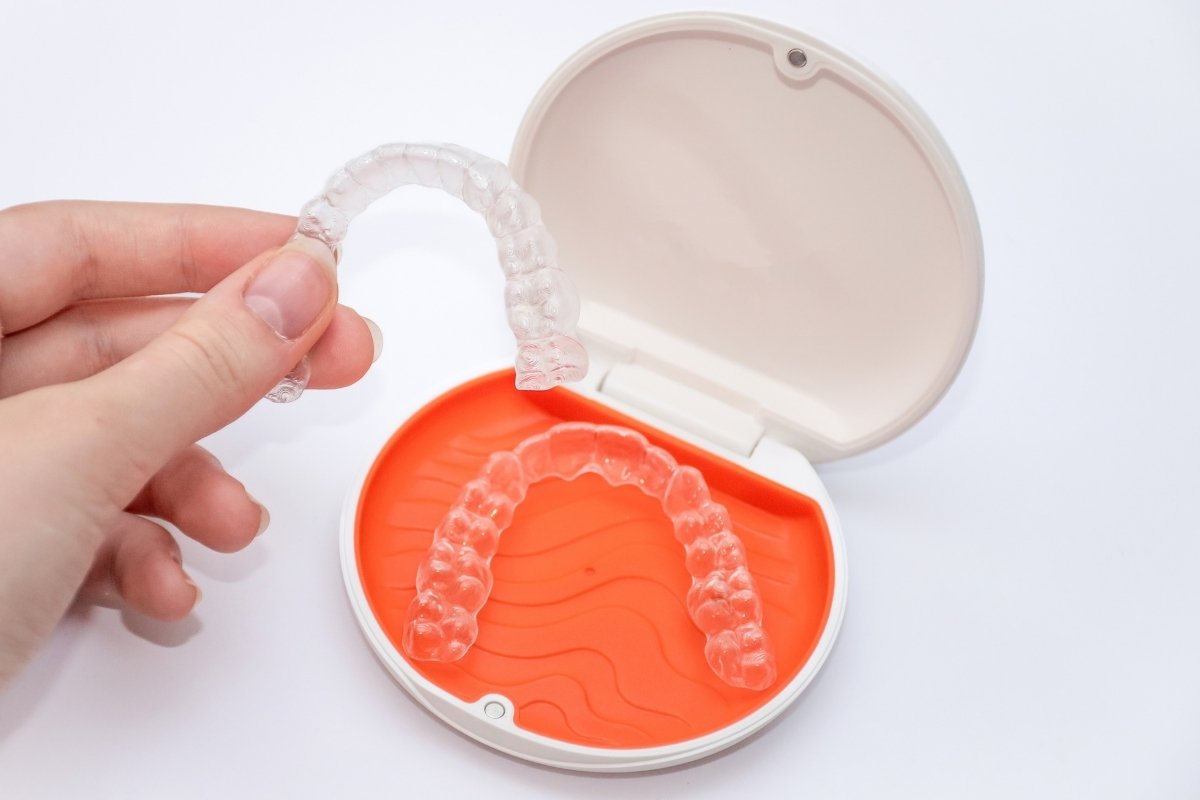
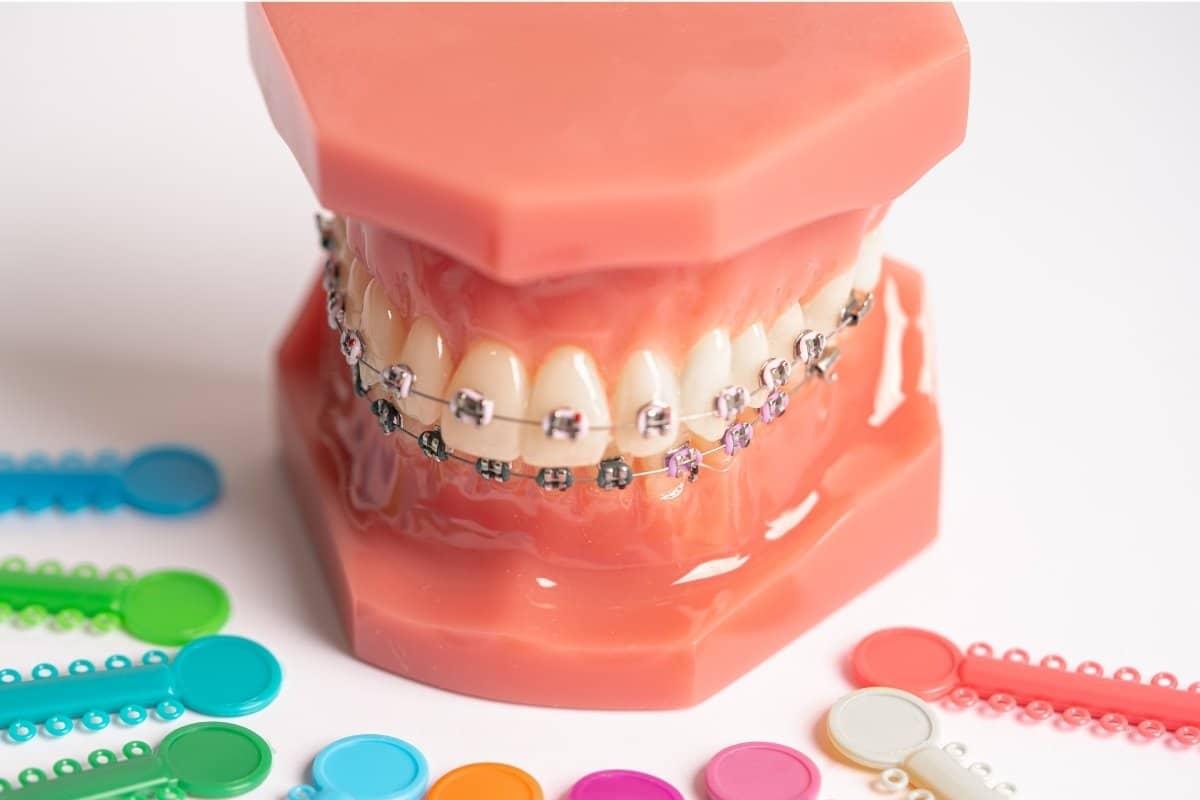
Modern orthodontics offers a variety of treatment options for children, including traditional braces, clear aligners, and functional appliances. The choice of treatment depends on the specific needs of the child and the orthodontist’s recommendation.
In conclusion, early intervention in orthodontics is a proactive and preventive approach to ensure the healthy development of your child’s smile. By addressing dental issues early on, you contribute not only to their oral health but also to their overall well-being and confidence. Schedule an orthodontic evaluation for your child around the age of 7 to give them the best start for a lifetime of healthy smiles.
Recent Post

October 13, 2026
Your Braces Just Came Off: What Happens Next
October 6, 2026
Can Orthodontic Treatment Fix an Underbite Without Jaw Surgery?

September 27, 2026
Braces Cutting Your Cheeks? Here Is How to Get Relief
September 20, 2026
What to Eat During Orthodontic Treatment: Soft Foods, Safe Choices, and Recovery Tips

September 13, 2026
Can You Chew Ice With Invisalign?
Categories
Orthodontist (74)