July 7, 2026
Orthodontist
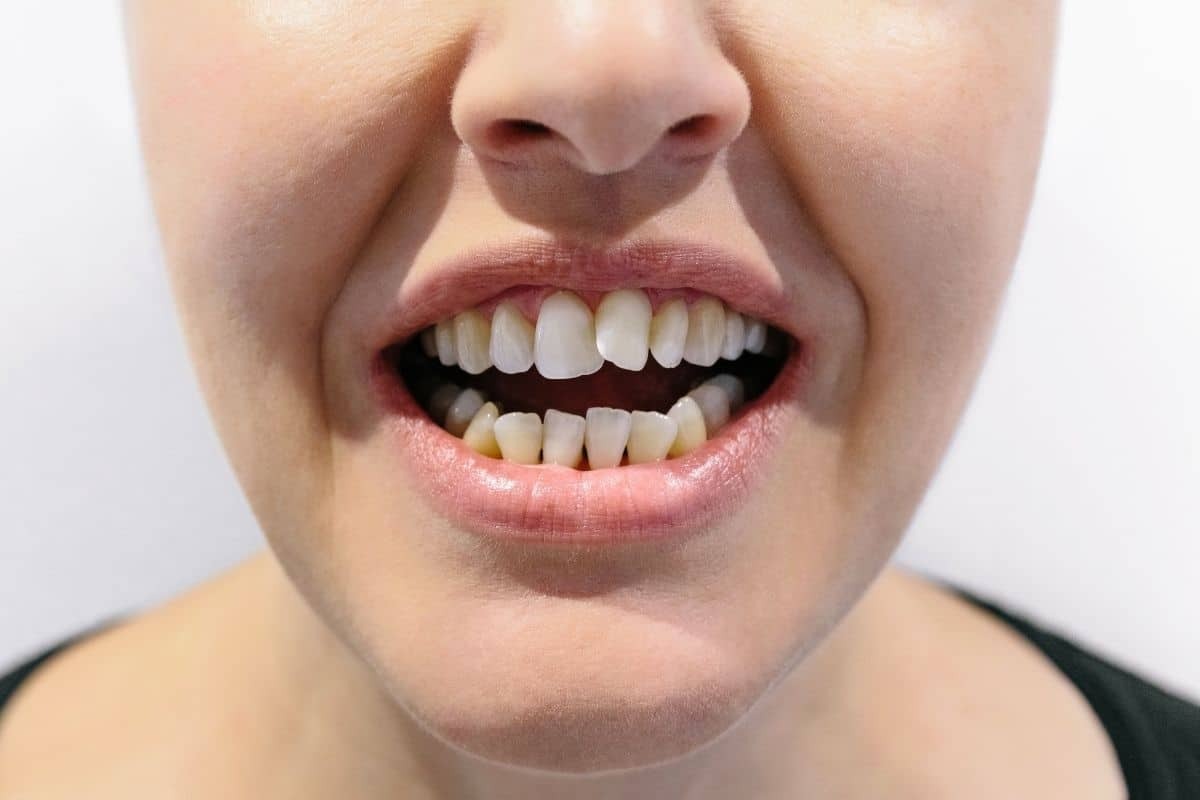
Misaligned teeth are often seen as a cosmetic concern, but they can affect much more than your smile. When teeth do not fit together properly, they can increase your risk of cavities, gum disease, jaw discomfort, uneven tooth wear, and even digestive problems caused by poor chewing. Addressing alignment issues early can help protect your long-term oral health and prevent more complex dental problems later.
Many people learn to live with crowded, crooked, or spaced teeth because they are not in pain. However, small alignment issues can gradually create bigger concerns that become harder to ignore. Understanding these hidden risks can help you make informed decisions about your oral health.
In many cases, Orthodontic treatment helps improve the way your teeth and jaws work together, making daily brushing, chewing, and speaking easier while reducing the risk of future dental complications.
Harder to Keep Teeth Clean
When teeth overlap or are crowded, toothbrush bristles and floss cannot always reach every surface effectively. Food particles and plaque can remain trapped between teeth, creating the perfect environment for harmful bacteria.
Over time, this can increase the risk of:
Tooth decay
Gum inflammation
Persistent bad breath
Tartar buildup
Even excellent brushing habits may not fully clean areas where teeth are significantly crowded.
Increased Risk of Gum Disease
Healthy gums depend on clean teeth. When plaque stays around crowded or rotated teeth, the gums can become irritated and swollen.
Without proper care, mild gum inflammation may progress into more advanced gum disease, which can eventually affect the bone supporting your teeth. Healthy tooth alignment makes it easier to maintain healthy gums.
Uneven Tooth Wear
Misaligned teeth often cause certain teeth to absorb more biting pressure than others. Instead of evenly distributing force across the mouth, some teeth work much harder during chewing.
This uneven pressure may lead to:
Chipped edges
Worn enamel
Tooth sensitivity
Small cracks
Once enamel wears away, it cannot grow back naturally.
Jaw Strain and Facial Discomfort
When your bite does not come together properly, your jaw muscles often compensate to complete everyday movements like chewing and speaking.
Over time, this extra effort may contribute to:
Jaw soreness
Muscle fatigue
Clicking or popping sounds
Frequent headaches for some individuals
Not everyone experiences these symptoms, but persistent jaw discomfort should never be ignored.
Difficulty Chewing Food Properly
Your teeth play an important role in breaking food into smaller pieces before swallowing. When teeth do not align correctly, chewing becomes less efficient.
Poor chewing may result in swallowing larger food pieces, forcing your digestive system to work harder. While digestion involves many factors, proper chewing is an important first step in the process.
Higher Chance of Dental Injuries
Teeth that stick out farther than normal are generally more exposed during everyday accidents, sports activities, or falls.
Because they receive more direct impact, these teeth may be more likely to chip or crack if an injury occurs.
Changes in Speech
The position of your teeth influences how your tongue forms certain sounds. Some alignment problems may contribute to speech difficulties or make certain words harder to pronounce clearly.
Although not every case affects speech, correcting alignment may improve pronunciation for some people.
Why Early Care Matters
Many alignment problems become more noticeable over time as teeth continue to shift naturally with age. Addressing concerns sooner often helps prevent additional wear, gum problems, and bite-related complications.
Early evaluation allows problems to be identified before they become more difficult to manage.
Protect More Than Just Your Smile
A healthy smile supports comfortable chewing, clear speech, healthy gums, and confident daily living. If you have noticed crowded teeth, bite changes, or ongoing jaw discomfort, now is a good time to have your smile evaluated.
Visit Toombs Orthodontics to learn how personalized care can help protect your oral health. If you are looking for trusted care in Prairie Village, schedule your consultation today and take the first step toward a healthier smile.
Frequently Asked Questions :
1. Can misaligned teeth cause cavities?
Yes. Crowded or overlapping teeth are harder to clean, allowing plaque and bacteria to build up and increase the risk of tooth decay.
2. Are crooked teeth always a health problem?
Not always. Mild alignment issues may not cause complications, but more significant cases can affect cleaning, chewing, gum health, and tooth wear.
3. Can untreated misaligned teeth get worse with age?
Yes. Teeth naturally shift over time, which may make existing alignment problems more noticeable or create additional bite issues.
4. When should I have my teeth evaluated?
If you notice crowding, difficulty chewing, jaw discomfort, or changes in your bite, it is a good idea to schedule an evaluation before the problem progresses.
Recent Post

October 13, 2026
Your Braces Just Came Off: What Happens Next
October 6, 2026
Can Orthodontic Treatment Fix an Underbite Without Jaw Surgery?
September 27, 2026
Braces Cutting Your Cheeks? Here Is How to Get Relief
September 20, 2026
What to Eat During Orthodontic Treatment: Soft Foods, Safe Choices, and Recovery Tips

September 13, 2026
Can You Chew Ice With Invisalign?
Categories
Orthodontist (74)