February 5, 2026
Orthodontist
Your smile is more than just a reflection of your personality—it’s also a sign of your oral health. While crooked teeth might seem like only a cosmetic concern, they can have real effects on your dental hygiene and increase the risk of cavities. Understanding why this happens can help you take better care of your teeth and prevent long-term issues.
How Crooked Teeth Affect Oral Health
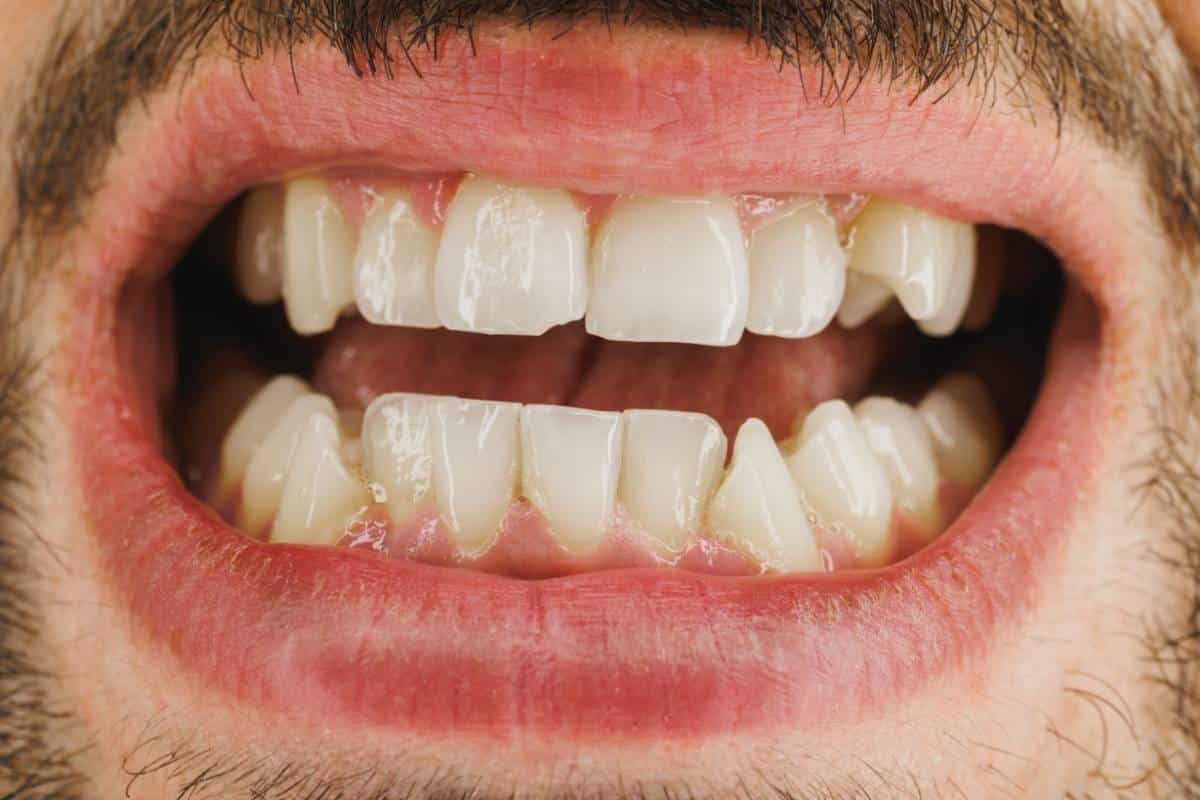
Crooked teeth can create tight spaces and overlapping areas that are hard to reach with a toothbrush or floss. When food particles and plaque accumulate in these areas, they become breeding grounds for bacteria. Over time, this can lead to enamel damage and cavities.
Key Challenges with Crooked Teeth:
Hard-to-clean areas: Overlapping teeth create small gaps where plaque builds up.
Plaque accumulation: Bacteria in plaque produce acids that eat away at tooth enamel.
Gum irritation: Misaligned teeth can also make it difficult to clean along the gumline, increasing the risk of gum disease and potentially worsening cavity formation.
The Connection Between Alignment and Decay
Studies show that teeth that are properly aligned are easier to clean and less prone to decay. When teeth are crowded or rotated, even the most diligent brushing and flossing can leave harmful bacteria behind. This is where preventive measures, like regular checkups, become critical.
Pointer: Kids and adults with crooked teeth often experience cavities in hard-to-reach molars or between tightly spaced teeth. Early intervention can prevent serious problems down the line.
How Orthodontic Treatment Can Help
Orthodontic treatment isn’t just about achieving a straighter smile—it plays a significant role in oral health. By correcting misaligned teeth, orthodontic care can:
Reduce areas where plaque accumulates.
Make brushing and flossing more effective.
Improve bite function to support overall dental health.
A well-planned orthodontic approach ensures that teeth are properly spaced and aligned, reducing the risk of cavities and promoting long-term oral wellness.
Tips for Protecting Crooked Teeth from Cavities
Even if your teeth aren’t perfectly aligned, there are steps you can take to minimize cavity risk:
Brush your teeth twice daily with a soft-bristle toothbrush.
Floss carefully, especially between tight spaces.
Use a fluoride toothpaste to strengthen enamel.
Schedule regular dental cleanings to remove plaque buildup.
Consider dental sealants for vulnerable teeth to provide extra protection.
Keep Your Smile Healthy: Early Attention Matters
Addressing crooked teeth isn’t only about aesthetics. By understanding how alignment impacts oral health, you can take proactive steps to protect your teeth from decay and avoid more complex dental procedures in the future.
Ready to Protect Your Smile? Visit Us in Lenexa, KS!
Don’t let crooked teeth put your oral health at risk. At Toombs Orthodontics, we specialize in creating straighter smiles that are healthier, too. Visit our dental office in Lenexa, KS, so that our team can guide you through orthodontic options and help you maintain a cavity-free smile for years to come.
Have Questions? Here’s What People Often Ask
Here’s a quick FAQ to clear up common concerns about crooked teeth and cavities:
Q: Can crooked teeth alone cause cavities?
A: Crooked teeth don’t directly cause cavities, but they make cleaning difficult, which increases the risk of decay.
Q: Is it too late to fix crooked teeth as an adult?
A: No. Orthodontic treatments are effective for both teens and adults, helping improve oral hygiene and reduce the risk of cavities.
Q: How can I clean my crooked teeth better?
A: Focus on brushing twice daily, flossing carefully, and consider using interdental brushes or water flossers for hard-to-reach areas.
Q: Do braces prevent cavities?
A: Braces align teeth, making them easier to clean, but maintaining good oral hygiene during treatment is essential to avoid cavities.
Recent Post

October 13, 2026
Your Braces Just Came Off: What Happens Next
October 6, 2026
Can Orthodontic Treatment Fix an Underbite Without Jaw Surgery?
September 27, 2026
Braces Cutting Your Cheeks? Here Is How to Get Relief
September 20, 2026
What to Eat During Orthodontic Treatment: Soft Foods, Safe Choices, and Recovery Tips
September 13, 2026
Can You Chew Ice With Invisalign?
Categories
Orthodontist (74)