
June 12, 2026
Orthodontist
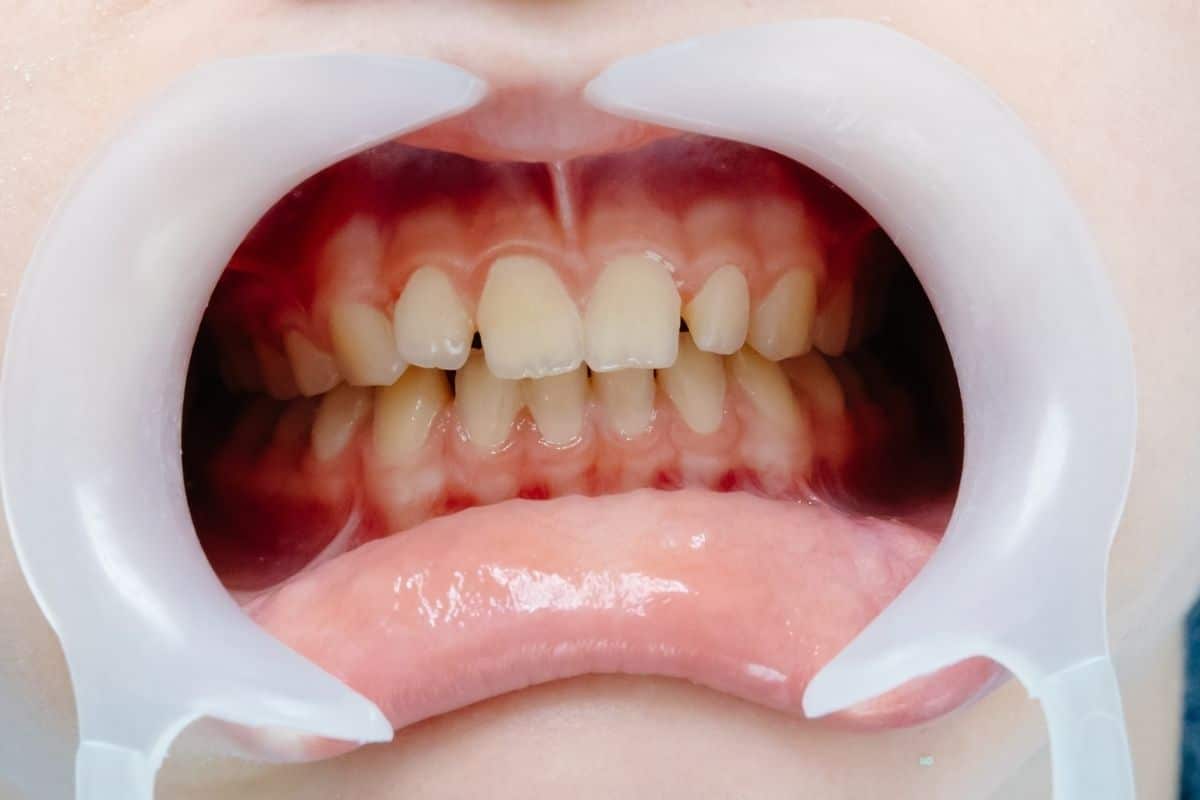
Noticing small spaces between teeth is something many people experience at different stages of life. These spaces, known in dentistry as diastema, can appear for a variety of reasons and may change over time as the mouth develops.
For some individuals, they are simply a cosmetic variation and do not cause any issues. For others, they may be associated with changes in bite alignment, tooth positioning, or oral habits. Understanding what causes these spaces can help determine whether they are purely natural or something that may need professional attention.
What Are Gaps Between Teeth?
A gap between teeth, or diastema, refers to extra space between two or more teeth. It can occur anywhere in the mouth but is most commonly seen between the upper front teeth.
In the U.S., mild tooth spacing is often considered cosmetic. However, in some cases, it may indicate bite alignment or jaw development concerns that should be evaluated by a dental professional.
Common Causes of Gaps Between Teeth
Jaw and Tooth Size Imbalance
A common reason for teeth spacing is when the jaw is larger than the size of the teeth. This creates extra room, resulting in visible gaps.
Missing or Smaller Teeth
Some patients are born with missing teeth or naturally smaller teeth, which can lead to dental gaps and uneven spacing.
Childhood Oral Habits
Habits such as prolonged thumb sucking or pacifier use can gradually push teeth forward and create spacing issues over time.
Gum Disease (Periodontal Disease)
Advanced gum disease can weaken the supporting bone and tissues, causing teeth to shift and develop new gaps.
Frenum Attachment
A thick or low-positioned labial frenum (the tissue between the upper lip and gums) can push the front teeth apart, contributing to diastema formation.
Natural Development in Children
In children and teens, gaps between teeth are often part of normal growth as permanent teeth erupt and the jaw develops.
Are Gaps Between Teeth a Concern?
Not always. Many cases of tooth spacing are purely cosmetic. However, they may sometimes lead to:
Bite misalignment
Food getting trapped between teeth
Speech difficulties in some cases
Increased risk of gum irritation or inflammation
This is why early evaluation with an orthodontic expert or trusted orthodontic care provider is recommended. It helps determine whether treatment is needed and prevents minor issues from becoming more complex.
How Orthodontists Close Gaps Between Teeth
Braces
Traditional braces are one of the most effective treatments for closing gaps between teeth. They gradually move teeth into proper alignment and provide long-term stability.
Invisalign
Clear aligners such as Invisalign are widely used for patients who want a discreet way to correct spacing issues without metal brackets.
Dental Bonding
For small gaps, tooth-colored composite resin can be applied to reshape teeth and close spaces quickly and conservatively.
Frenectomy (if needed)
If a frenum is contributing to spacing, a minor surgical procedure may be recommended before orthodontic treatment begins.
Why Early Evaluation Matters
Early diagnosis can prevent spacing issues from worsening over time. For children and teens, timely orthodontic evaluation helps guide proper jaw development and may reduce the need for more complex treatment later in life.
When Should You Seek Professional Help?
You should consider an orthodontic consultation if:
Gaps between teeth are increasing
Your bite feels uneven or uncomfortable
Teeth appear to be shifting over time
You are concerned about the appearance of your smile
At Toombs Orthodontics, we provide personalized orthodontic evaluations and treatment plans designed to improve both function and aesthetics for patients.
Ready to Close the Gap in Your Smile?
If you’re looking for an experienced orthodontic team in Lenexa, we’re here to help. Every smile is different, and the right treatment starts with a personalized consultation.
Schedule your visit with Toombs Orthodontics today to explore modern options like braces and Invisalign and take the first step toward a healthier, more confident smile.
Frequently Asked Questions :
Are gaps between teeth normal?
Yes, mild gaps are common in children and sometimes in adults. In many cases, they are harmless, but an evaluation can determine if treatment is needed.
Can gaps between teeth close naturally?
In children, gaps may close as permanent teeth come in. In adults, gaps usually require orthodontic treatment.
What is the fastest way to fix gaps in teeth?
Small gaps may be treated with dental bonding, while larger spaces typically require braces or Invisalign for long-term correction.
Does Invisalign work for teeth gaps?
Yes, Invisalign is a popular and effective treatment for closing gaps between teeth, especially in teens and adults.
Can gaps affect oral health?
Yes, in some cases, gaps can contribute to food trapping, gum irritation, or bite issues if left untreated.
How does an orthodontist decide on treatment?
Treatment depends on the cause, size of spacing, and bite alignment. A full orthodontic evaluation is needed to determine the best approach.
Recent Post

October 13, 2026
Your Braces Just Came Off: What Happens Next
October 6, 2026
Can Orthodontic Treatment Fix an Underbite Without Jaw Surgery?

September 27, 2026
Braces Cutting Your Cheeks? Here Is How to Get Relief
September 20, 2026
What to Eat During Orthodontic Treatment: Soft Foods, Safe Choices, and Recovery Tips

September 13, 2026
Can You Chew Ice With Invisalign?
Categories
Orthodontist (74)